The global office and residential layout paradigm is undergoing a profound structural transition. Architectural specifications now mandate human-centric design, energy independence, and ergonomic configuration. At the center of this workplace optimization is the desk or table lamp, transitioning from simple localized lighting into a smart node of environmental and task control. High-quality illumination on work surfaces directly impacts user cognitive performance, eye safety, and productivity. This is why international procurement directors, commercial development planners, and premium lighting brands are shifting their sourcing parameters from generic light fixtures to certified, top-tier LED task light systems manufactured in specialized facilities.
Information Gain Metric: While traditional sourcing reports evaluate basic cost-per-unit, this guide details structural thermal transfer properties, optical glare controls (UGR < 19), color accuracy metrics (TM-30-15), and driver life expectancy under industrial stresses. This ensures architectural planners choose hardware capable of operating 50,000+ hours with zero spectral degradation.
As a premier B2B manufacturer, Guangzhou VELORIQ Light Co., Ltd. serves as a reliable OEM and ODM lighting factory with strong capabilities in product design, engineering, manufacturing, and international export services. Established in 2014, the company has developed into a professional LED indoor lighting manufacturer dedicated to providing innovative commercial and residential lighting solutions for customers worldwide. Based in Guangzhou, China, VELORIQ operates a modern manufacturing facility covering over 8,000 square meters and employs more than 120 skilled workers, technicians, and management staff. Equipped with advanced production lines and strict quality control systems, the company focuses on delivering energy-efficient, durable, and aesthetically designed indoor lighting products that meet international market standards.
The commercial lighting landscape is no longer driven solely by basic illumination goals. Real estate developers, premium hotels, and multi-tenant commercial office buildings must meet strict eco-efficiency certifications like LEED, WELL, and BREEAM. To achieve these metrics, developers require desk lighting systems with built-in sensors, low standby power consumption, and long-term color stability.
Task illumination directly affects circadian rhythms. Poorly designed desk lamps with blue-light peaks disrupt melatonin production, causing fatigue and reducing worker productivity.
Poor heat dissipation in poorly engineered LED lamps causes color shifting and accelerates diode degradation, forcing early replacements and increasing operating costs.
Modern desk lighting systems integrate into wider building management networks via IoT, DALI, or Zigbee, enabling automated control and energy conservation.
Because of these complex requirements, sourcing agencies rarely buy generic consumer-grade desk lamps. Instead, they require tailored, professional solutions with specific light output distribution, low glare indexes (UGR < 19), customizable mounting options (clamp, wall-mounted, or integrated bases), and reliable, certified electronics. By working with a factory equipped with dedicated R&D engineering teams like VELORIQ, commercial brands can adapt their lighting profiles for projects worldwide, ensuring seamless integration and compliance with local building codes.
Different regions and work environments require specific physical, electrical, and optical configurations. Standard off-the-shelf lamps cannot meet the unique demands of localized projects. Below is a detailed breakdown of how advanced manufacturing processes address these diverse architectural environments:
Requires products optimized for standard 120V AC systems and certified under UL/cUL or ETL. These environments favor minimalist clamp-on arm lamps that attach directly to modular ergonomic desks, saving valuable workspace. They require unified glare reduction (UGR) levels below 16 for high-density, screen-intensive cubicle spaces, as well as native 0-10V dimming integration for building energy management.
Requires CE, RoHS, and GS safety marks, with a strong emphasis on architectural materials like anodized aluminum or hand-blown glass (similar to Gregg pendant styles). These settings require warm CCTs (2700K to 3000K) with a high color rendering index (CRI > 95, R9 > 80) to bring out natural textures. USB-C charging points and Qi wireless charging bases are commonly required to enhance guest convenience.
Requires heavy-duty mechanical joints and resistance to chemicals, oils, and physical impacts. Optical components must deliver high illuminance (exceeding 1000 lux on the task surface) with absolute color accuracy (Ra > 98) for detailed assembly and inspection tasks. Drivers must include advanced shielding to prevent electromagnetic interference (EMI) with sensitive testing equipment.
Requires durable, low-maintenance designs with anti-vandalism features. Optical setups must use high-frequency flicker-free technology to reduce eye strain during long study sessions. To protect younger users, these lamps require Photobiological Safety Certification (exempt level, RG0) to verify they emit no hazardous blue light.
Leading manufacturers focus on constant innovation. Guangzhou VELORIQ Light Co., Ltd. incorporates the latest developments in materials science, electronics, and human physiology into its product roadmap. Key innovations currently shaping the future of high-end task lighting include:
By using custom COB and SMD LED configurations, modern lamps can replicate natural sunlight. They smooth out the blue light spike around 450nm and fill the green-cyan gap, creating a continuous spectrum that improves focus and supports healthy sleep-wake cycles.
Using laser-etched micro-prismatic diffusers, the light is redirected to cover the desk surface evenly. This eliminates harsh shadows, reduces glare on digital screens, and ensures even light distribution (uniformity ratio Emin/Emax > 0.7).
Integrated ambient light sensors monitor surrounding brightness in real-time, automatically adjusting the lamp's output to keep desk illumination constant. Built-in motion sensors turn the lamp off when the workspace is empty, saving energy.
OEM/ODM Technical Capability: Customizing optical components requires specialized injection molds and cleanroom assembly. VELORIQ works with commercial partners to develop custom light-guide plates (LGP) and specialized diffusers, ensuring optimal beam angles and minimal light loss.
Guangzhou and the surrounding Pearl River Delta region offer unmatched manufacturing advantages for B2B buyers. The local supply chain features deep integration of component suppliers, raw material processing, and logistics networks. This proximity allows factories to source high-grade aluminum extrusions, precision optoelectronics, driver chipsets, and packaging materials within a 50-kilometer radius, minimizing turnaround times.
Our in-house design and engineering teams can turn a concept into a 3D-printed prototype in just days, with custom steel tooling completed in weeks. This allows B2B brands to quickly validate products and launch them to market ahead of competitors.
VELORIQ operates an 8,000-square-meter facility with flexible assembly lines that handle both high-volume production runs and smaller, custom orders. This helps buyers manage inventory risk without sacrificing unit costs.
Furthermore, Guangzhou's location near key deepwater ports like Nansha, Shenzhen, and Hong Kong provides direct shipping routes worldwide. This proximity minimizes inland transit times, lowers container shipping costs, and reduces global supply chain disruptions.
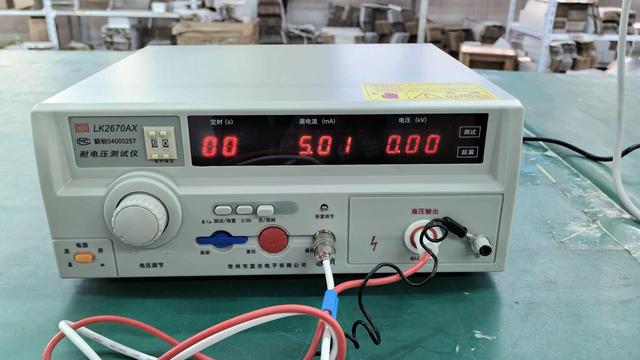
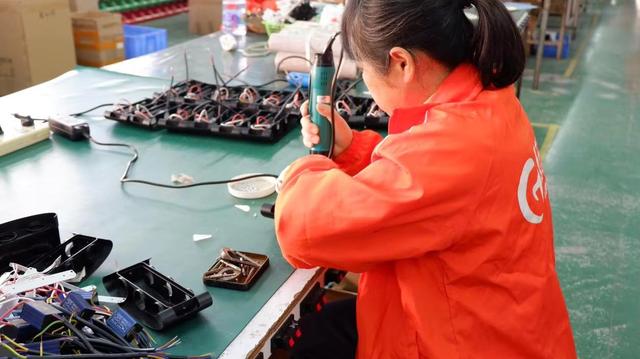
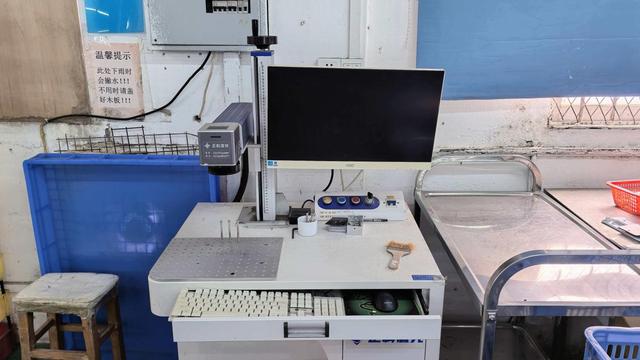
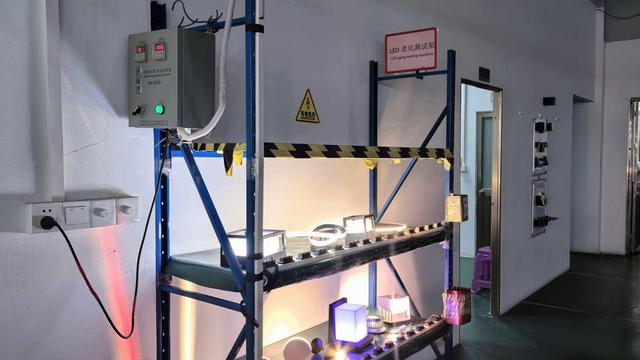
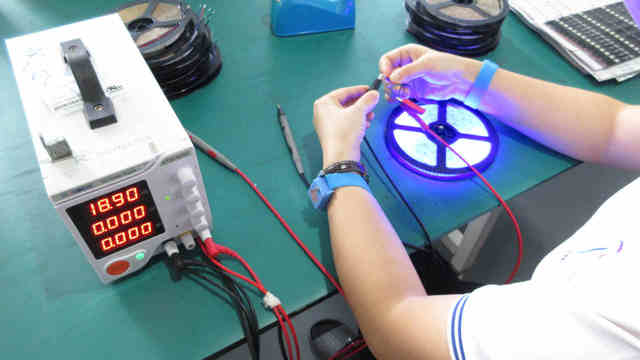
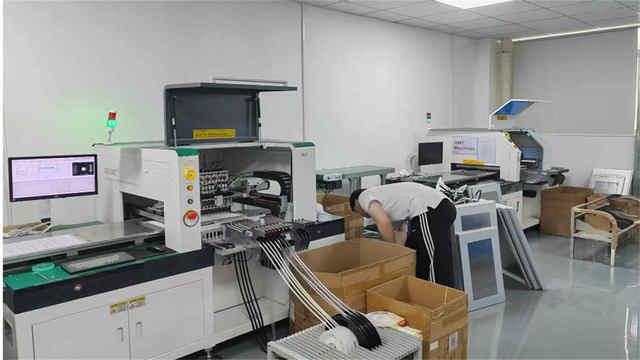
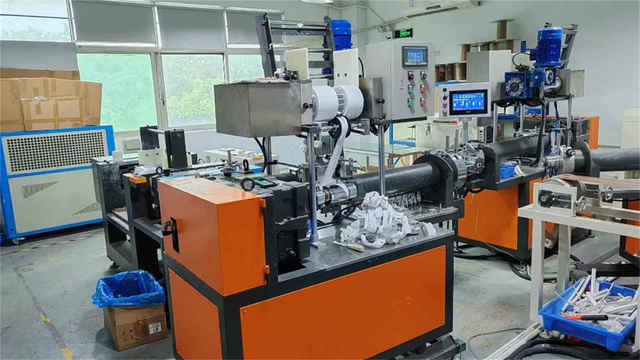
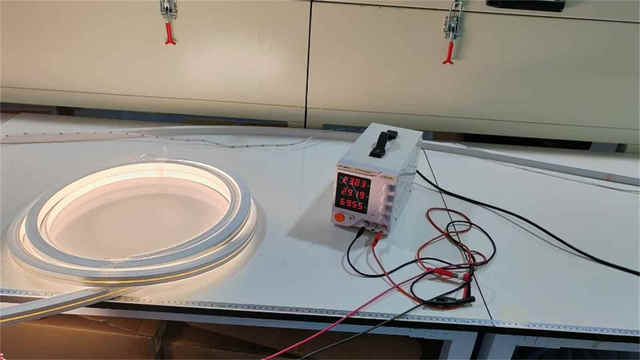
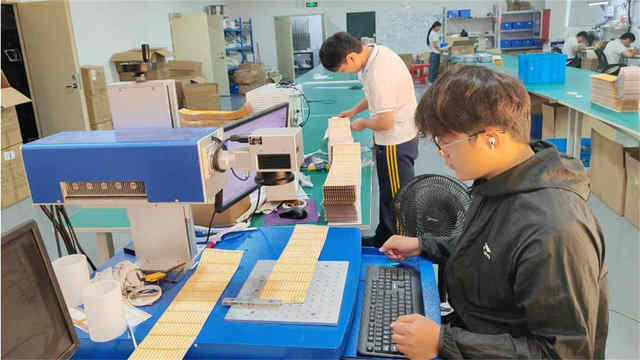
For commercial lighting projects, quality assurance is vital. VELORIQ implements strict testing controls at every stage of production—from incoming material checks (IQC) to in-process quality control (IPQC), final inspection (FQC), and pre-shipment auditing (OQC).
Every lighting fixture undergoes high-voltage isolation, leakage current, and ground continuity testing to meet CE, UL, ETL, and SAA requirements.
Lamps undergo high-temperature and high-humidity endurance tests in specialized chambers to confirm driver and chip stability in harsh environments.
We measure luminous intensity distribution, total luminous flux, and color uniformity, providing clients with verified IES files for dialux simulation work.
Our products use components from trusted suppliers (such as OSRAM, Cree, Lifud, and Meanwell) to ensure long-term performance. By designing for reliability, we protect our B2B partners from warranty claims and support their reputation in the market.
 VELORIQ Lighting