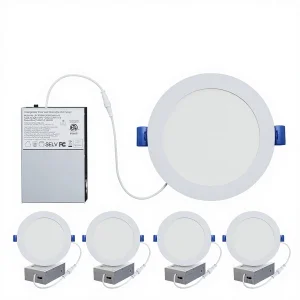
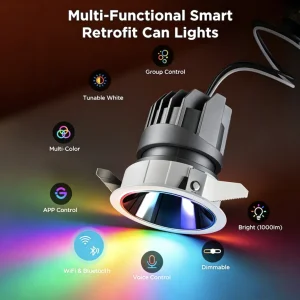
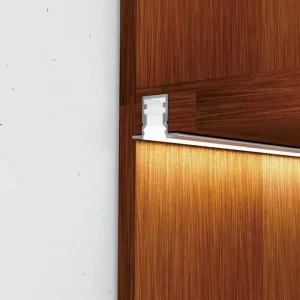
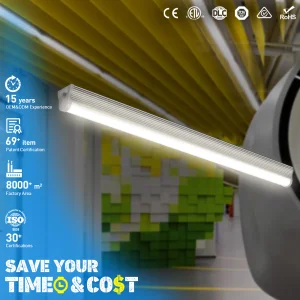
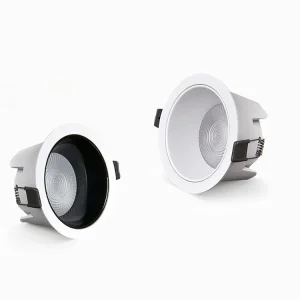
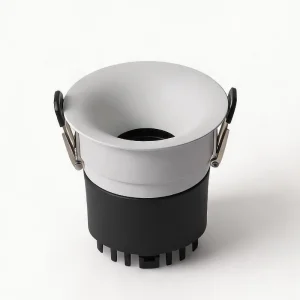
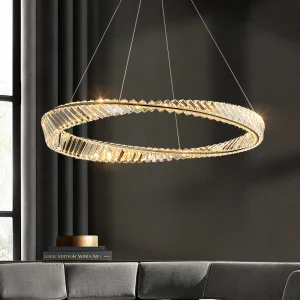
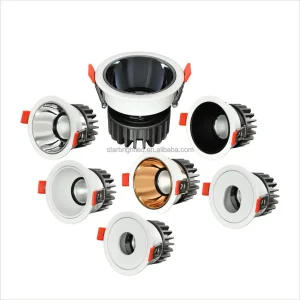
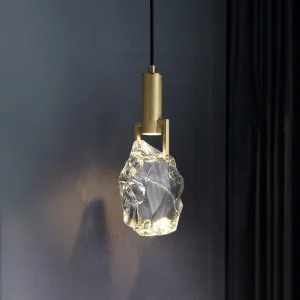
Explore our premium B2B custom product lineup built with advanced thermal management and robust driver electronics.
In high-tech manufacturing, medical diagnosis, micro-electronics assembly, and laboratory analysis, visual accuracy is not simply an asset—it is a critical imperative. The modern industrial landscape demands lighting systems that seamlessly combine physical optical magnification with perfect illumination. This is the domain of the LED Magnifying Light, a highly specialized instrument engineered to eliminate optical distortion, minimize eye strain, and project flicker-free, color-accurate illumination onto precise coordinates.
As standard magnification systems fail to meet modern ergonomic and spectral requirements, top-tier global B2B procurement agents are looking beyond basic suppliers. Today's procurement decisions require an in-depth understanding of Diopter limits, chromatic aberration mitigation, color rendering indexes (CRI), and ESD-safe physical chassis materials. This comprehensive industry white paper details the strategic mechanisms of LED magnifying systems, providing structural and technological insights for engineers, distributors, and sourcing experts worldwide.
The global demand for high-end LED magnifying systems is rising rapidly, fueled by the accelerating miniaturization of electronics (such as dense SMT printed circuit assemblies), the expansion of precision micro-medical practices, and the increasing strictness of quality control procedures in high-tech laboratories.
As micro-electronic circuit boards scale down to sub-millimeter components (like 0201 or 01005 SMD packages), manual PCB visual checking, rework, and soldering require flawless magnification. A high-clarity lens and targeted illumination prevent costly manufacturing errors.
Dermatology clinics, dental laboratories, and research institutions rely heavily on distortion-free magnification. True-to-life color rendering (high CRI) is critical for matching tooth prosthetics, analyzing skin lesions, or examining biological specimens.
Repetitive strain injuries (RSIs) and chronic neck strain are common issues for manual workers. Premium LED magnifying lamps feature spring-balanced structural arms and smooth friction joints, allowing operators to position the light source perfectly without continuous manual adjustments.
Evaluating an LED magnifying lamp requires a deep look at both optical physics and solid-state lighting science. Under Google's E-E-A-T search standards, premium sourcing agents must analyze four core technological pillars before placing bulk orders:
Low-cost magnifying lights often use molded acrylic lenses, which easily scratch, cloud over time, and cause serious color distortion (chromatic aberration) around the outer edges. Top industrial-grade suppliers use high-purity, white crown glass lenses. These provide clear, distortion-free views, resist scratches, and deliver excellent light transmission across the entire surface.
Diopter refers to the refractive curvature of the lens. The relationship between Diopter (D) and Magnification (M) is defined as:
M = (D / 4) + 1.
For example, a 5-Diopter lens delivers 2.25x magnification, with an optimal focal length of about 8 inches (200 mm). High-end suppliers must offer structured options spanning 3-Diopter, 5-Diopter, or even 8-Diopter setups to match specific task distances.
Standard LED lights often wash out colors, causing eye strain and errors. Premium magnifying lights use surface-mount LED modules with a high Color Rendering Index (CRI Ra ≥ 95, with high R9 red spectrum values). This ensures colors are rendered naturally and accurately. Circular, shadowless LED placement around the lens provides uniform light coverage, eliminating shadows under the inspection area.
For sensitive electronics assembly (EPA environments), static discharge can destroy delicate integrated circuits. Industrial magnifying lights must be built with ESD-safe materials—including conductive powder coatings and specialized carbon-filled plastics—to ensure any static charge is safely grounded, preventing component failures.
Different industries require unique configurations for magnification strength, color rendering, and physical arm reaches. Use this guide to match your application with the correct specifications:
| Target Sector | Typical Application | Recommended Diopter | LED Specification | Required Certifications |
|---|---|---|---|---|
| Electronics Manufacturing (SMT/PCB) | Manual soldering, micro-inspection, rework | 3-Diopter (1.75x) or 5-Diopter (2.25x) | CRI > 90, ESD-Safe chassis, Dimming | CE, RoHS, ESD Protective Standard |
| Precision Mechanical & Defense | Micro-tooling, aerospace parts QC | 5-Diopter (2.25x) or 8-Diopter (3.0x) | High Lux (>4000 Lux @ focal point), shadow-free | MIL-STD Quality Compliance |
| Medical & Dental Laboratories | Dental prosthetics, dermatological check-ups | 5-Diopter (2.25x) | CRI ≥ 95, R9 ≥ 85, CCT 5000K daylight | ISO 13485, Medical Grade CE |
| Cosmetic, Medical Spa & Aesthetic | Dermatological treatments, precision microblading | 3-Diopter (1.75x) or 5-Diopter (2.25x) | Adjustable CCT (3000K-6000K), soft diffusor | CE, UL, FCC Listed |
When sourcing LED magnifying lights or other advanced commercial lighting, choosing a partner with strong manufacturing capabilities is essential. Guangzhou VELORIQ Light Co., Ltd. is a leading, professional LED indoor lighting manufacturer, specializing in high-performance commercial and residential lighting solutions for global markets.
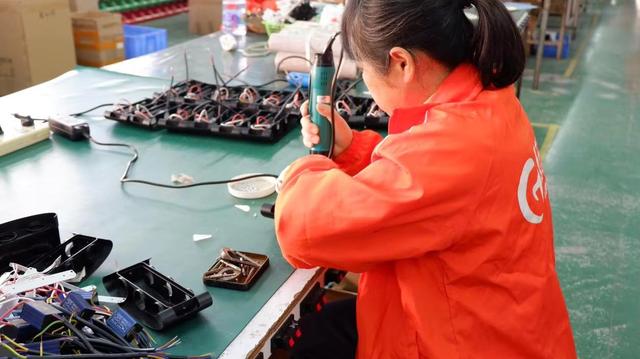
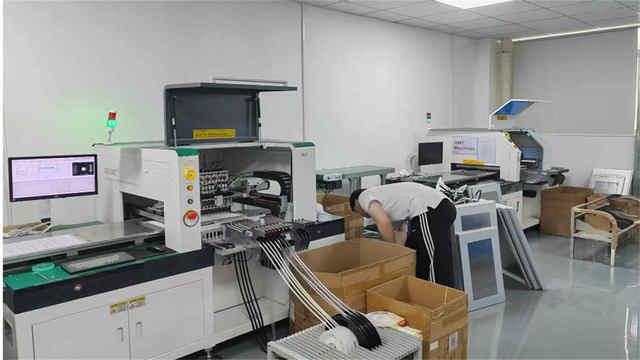
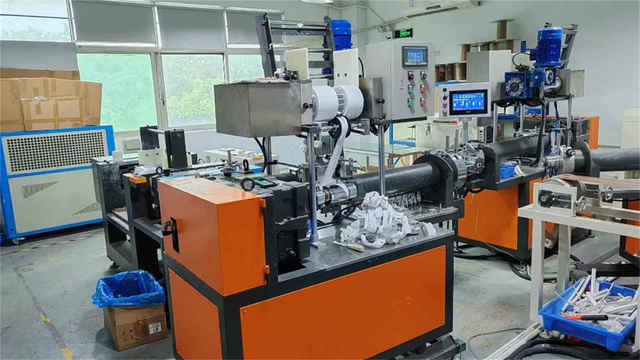
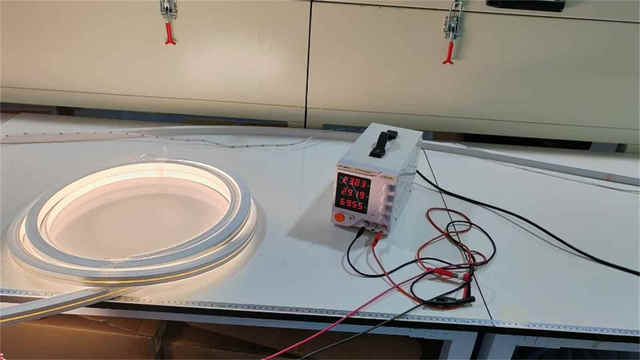
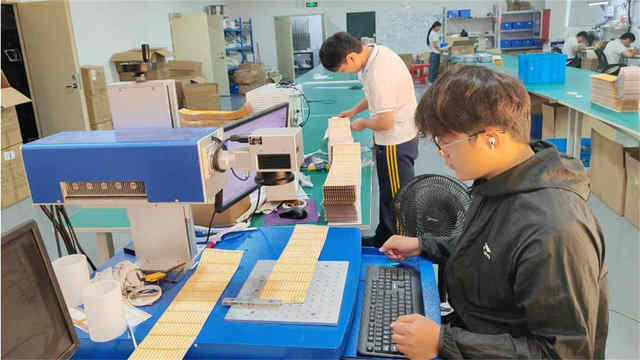
Established in 2014, VELORIQ has grown into a highly trusted OEM and ODM partner. We combine design, advanced engineering, and strict international quality control with smooth export services. Located in Guangzhou, China, our modern factory covers over 8,000 square meters and is staffed by more than 120 skilled workers, engineers, and quality assurance specialists. Our facility features advanced production lines and robust testing processes to ensure every product stands up to heavy-duty, long-term use.
Our comprehensive indoor lighting product catalog includes:
As a seasoned B2B OEM/ODM manufacturer, we offer full-scale custom options, including: housing designs, optimized thermal management, smart dimming (DALI, 0-10V, Triac, Tuya), private labeling, and custom packaging. We are dedicated to supporting global importers, wholesale distributors, electrical contractors, and lighting brands with stable production capacity and consistent, high-quality manufacturing.
Precision lighting technology is moving toward smart, fully integrated workspaces. Modern B2B sourcing agents look for products that align with these upcoming industry trends:
By adjusting light color from warm amber (2700K) to cool white (6500K), operators can customize lighting for different materials. Warm light minimizes glare on reflective metals, while cool white light helps spot hairline fractures in plastics.
Modern magnifying systems feature step-free capacitive dimming (from 1% to 100%) with built-in memory. This allows technicians to easily set and save their preferred light levels, preventing eye strain and improving overall workflow.
In medical labs and cleanrooms, magnifying lamps must withstand regular cleaning and chemical sterilization. Advanced coatings, sealed lenses, and crevice-free arm designs help prevent particle buildup, meeting strict Class 100 cleanroom standards.
Have technical questions? Check out these detailed answers to standard questions from B2B sourcing agents and procurement managers:
A 3-diopter lens provides 1.75x magnification with an optimal working distance of about 13 inches (330 mm), offering a wide field of view. A 5-diopter lens provides 2.25x magnification with a closer working distance of about 8 inches (200 mm). For high-precision electronics assembly, the 5-diopter option is generally the industry standard.
Crown glass features excellent refractive index properties that practically eliminate chromatic aberration (color fringing at the lens edges). Additionally, glass is highly scratch-resistant and will not yellow or fog when cleaned with common industrial solvents like isopropyl alcohol (IPA).
High-CRI light sources (CRI Ra ≥ 95) emit a complete light spectrum that closely mimics natural daylight. This allows the human eye to see colors, contrasts, and micro-details effortlessly. Low-CRI lights distort color perception, forcing the eyes and brain to work harder, which causes headaches and visual fatigue over time.
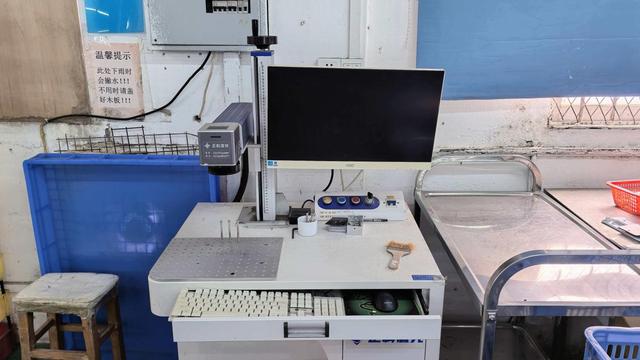
We provide full-service customization, including: custom housing colors, personalized laser-etched branding, modified spring-balanced arm lengths, ESD-safe surface finishes, custom LED color temperatures (CCT), and tailored B2B packaging designed for safe international transit.
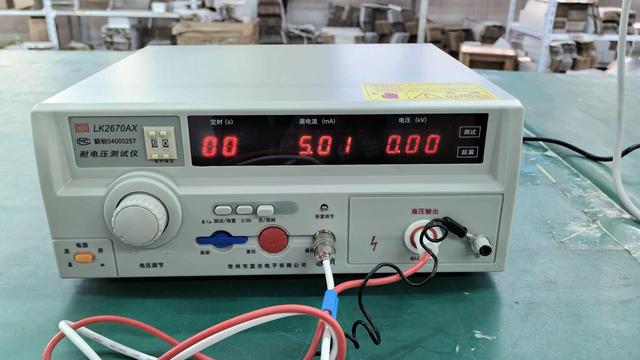
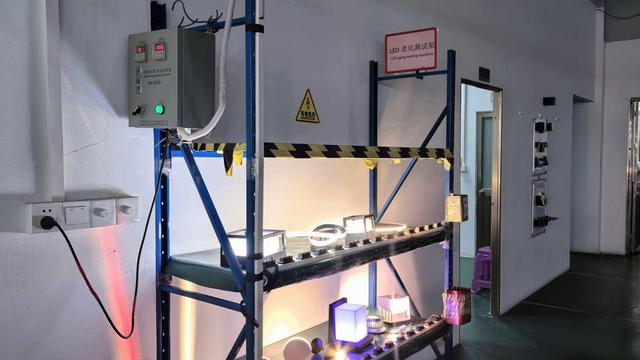
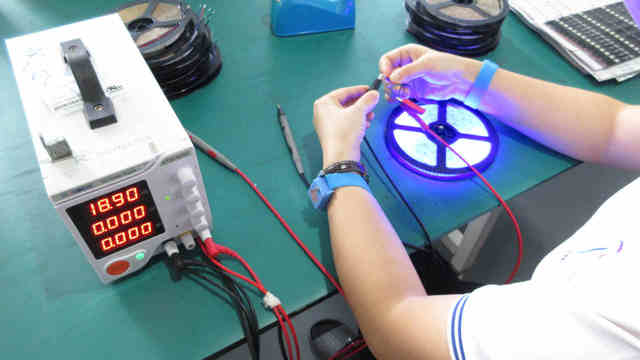
All our products are manufactured to meet CE, RoHS, and FCC standards. Our factories operate under strict ISO 9001:2015 quality management guidelines. We perform comprehensive electrical, thermal, and photometric testing on every batch to ensure consistent performance for global markets.
Browse our additional range of precision engineered fixtures, commercial track spotlights, and modern decorative elements.
 VELORIQ Lighting