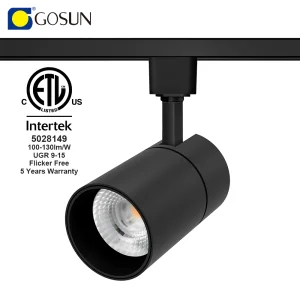
Premium OEM/ODM customized luminaires designed to meet rigorous standards of commercial build specifications, retail lighting, and indoor systems.
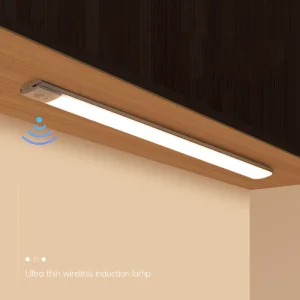
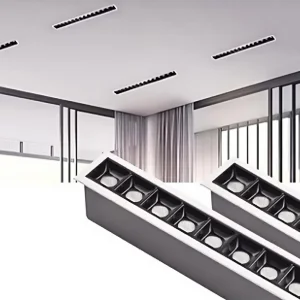
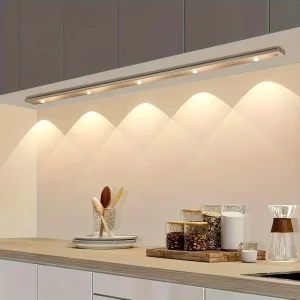
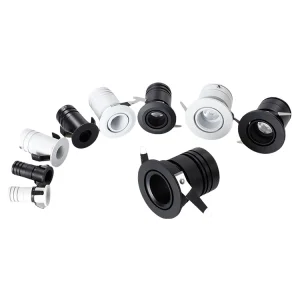
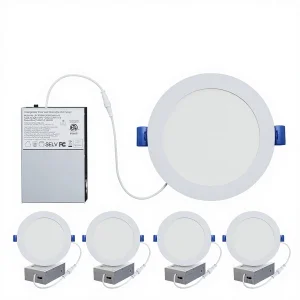
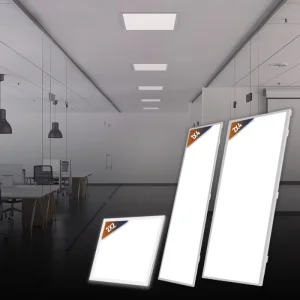
Global architectural and engineering practices are experiencing an unprecedented paradigm shift. The integration of high-efficiency, solid-state LED systems is no longer a luxury of high-end retrofits but a foundational mandate for compliance with modern carbon reduction treaties, structural green building certifications (such as LEED, BREEAM, and WELL), and local building codes. Among these technologies, the LED panel ceiling light has emerged as the definitive fixture for workspace uniform illumination, minimal architectural intrusion, and structural adaptability.
Guangzhou VELORIQ Light Co., Ltd., since its establishment in 2014, has positioned itself at the convergence of this technological evolution. By engineering advanced interior luminaires designed to solve thermal dissipation limits, flicker indices, and structural load constraints, we provide architectural-grade lighting designed for the global commercial and industrial infrastructure market.
For B2B procurement officers, structural electrical engineers, and global wholesale distributors, navigating the manufacturer landscape in China requires analyzing not only simple volumetric pricing but deep system integration competencies, quality control matrices, and information-rich documentation. This industry guide outlines the mechanical, thermal, optical, and logistical variables crucial for critical sourcing decisions.
Analyzing key structural transformations driving demand for advanced ceiling planar luminaires across international territories.
In the United States and Canada, utility rebate structures driven by the DesignLights Consortium (DLC) Premium 5.1 guidelines heavily mandate adoption. Builders demand CCT and power-selectable fixtures with integrated 0-10V flicker-free dimming, allowing rapid field adjustment while reducing warehouse SKUs for distributors.
Focuses on circular economy directives (Ecodesign Regulation / Single Lighting Regulation) and strict ERP compliance. Luminaires must allow for non-destructive inspection, high efficacy (>130 lm/W), low-glare visual comfort (UGR<19), and compliance with the Restriction of Hazardous Substances (RoHS) framework.
Rapid green urban developments, corporate workspace standardizations, and industrial relocations are accelerating. Large infrastructural programs rely heavily on resilient supply partnerships, demanding long-term operational guarantees (L70/B10 ratings > 50,000 hours) under challenging grid and ambient environments.
Quantifiable performance indicators defining VELORIQ's manufacturing dominance and product excellence.
To make an informed B2B purchase, structural decision-makers must understand the physical and material sciences that govern ceiling panel construction. Planar lighting has progressed through two major optical configurations, each with specific spatial benefits:
1. Edge-Lit LED Panels: This design mounts LEDs along the frame's perimeter, firing inward into a specialized Light Guide Plate (LGP). The LGP utilizes laser-etched or printed micro-dots to refract and distribute the light downwards. While offering an ultra-slim profile (under 10mm thickness) and excellent optical blending, edge-lit panels rely on optical-grade PMMA (Polymethyl Methacrylate) rather than cheaper PS (Polystyrene), which yellows under continuous UV exposure and thermal stress. VELORIQ uses exclusively premium non-yellowing PMMA LGPs in high-specification projects.
2. Back-Lit LED Panels: The LEDs are mounted in a grid matrix across the back plate, firing through an optical diffuser. Eliminating the LGP reduces weight and cost while achieving higher luminous efficacy because the light doesn't travel laterally through a light guide. However, avoiding "shadowing" or "hotspotting" requires high-precision optical lenses with a beam angle of 150-160 degrees on each LED chip, alongside a deeper housing (typically 30-40mm) to allow sufficient diffusion distance.
Guangzhou is the global nucleus for commercial lighting, supported by a highly integrated supply chain. Sourcing from Guangzhou VELORIQ Light Co., Ltd. provides several distinct structural advantages:
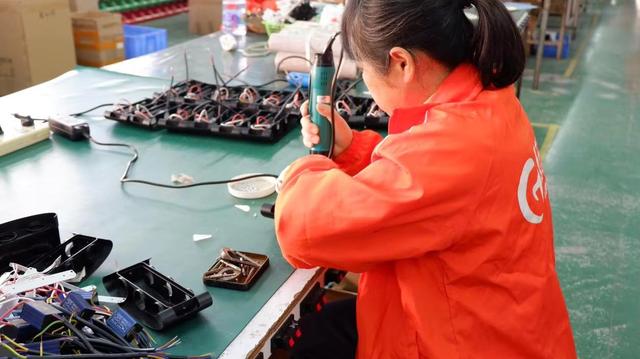
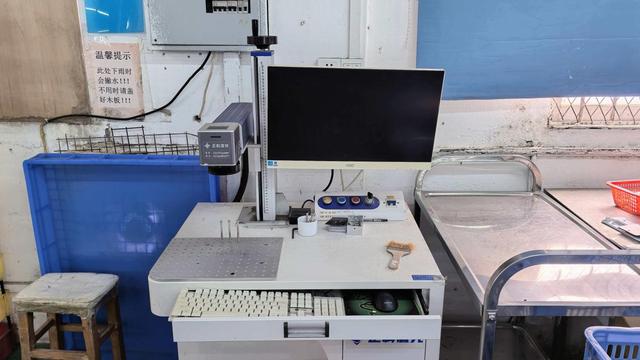
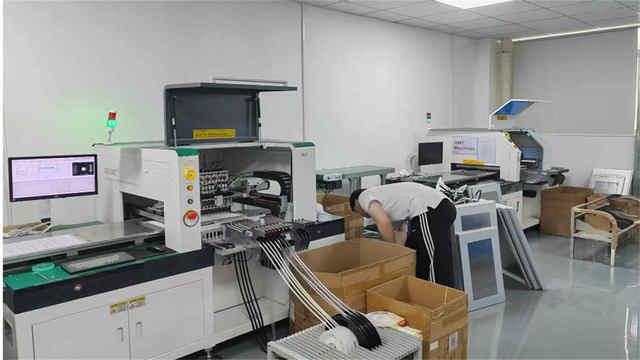
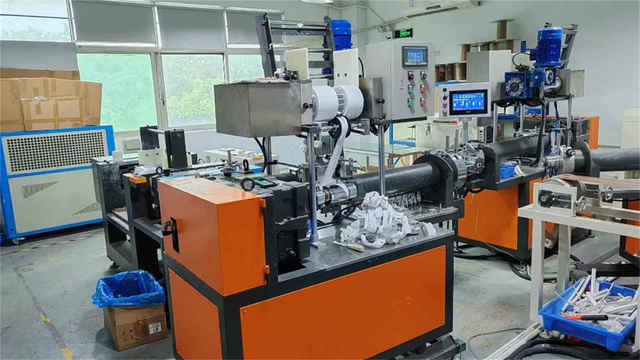
Vertical Integration of Core Sub-Systems: Our 8,000+ square meter facility houses advanced Surface Mount Technology (SMT) automated pick-and-place lines, enabling high-speed, high-density component placement with minimal human error. This is complemented by modern die-casting machinery, electrostatic powder-coating plants, and dedicated assembly divisions.
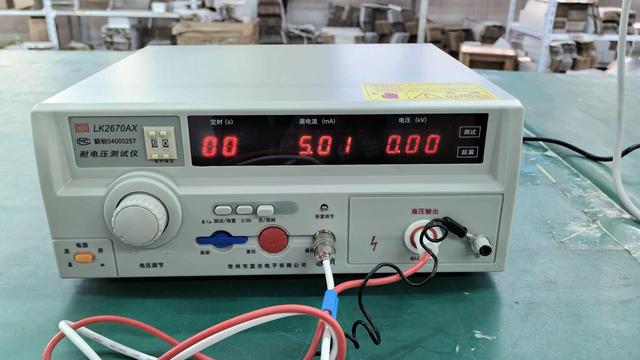
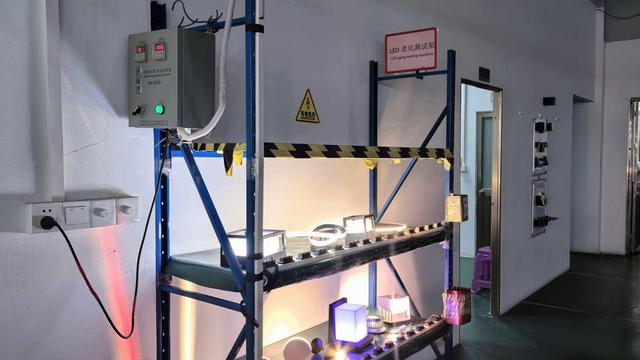
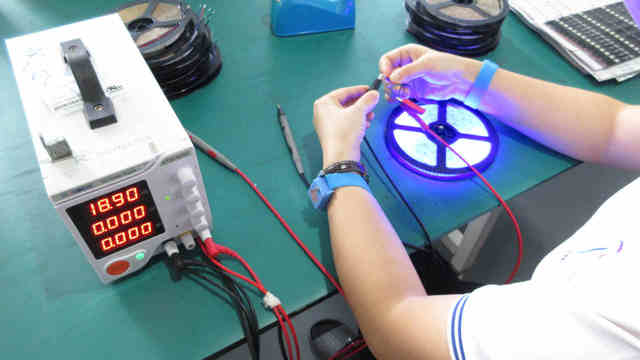
Empirical Testing & Metrology Laboratories: To maintain strict international compliance, every product line undergoes rigorous validation. Our testing center is equipped with high-end Integrating Spheres for spatial flux output, color rendering index (CRI), and spectral analysis, alongside a fully darkroom-configured Goniophotometer to generate absolute IES photometric files. We also execute Accelerated Thermal Aging tests under elevated temperatures and high humidity, alongside High-Voltage Leakage and Surge testing to ensure long-term electrical safety.
A comprehensive technical overview for engineers, architects, and quantity surveyors selecting the ideal luminaire configuration.
| Specification Parameter | Standard Commercial Grade | VELORIQ Premium Project Grade | Application & Engineering Rationale |
|---|---|---|---|
| Luminous Efficacy | 90 - 110 lm/W | 130 - 150 lm/W | Maximizes utility rebates; significantly reduces HVAC thermal load and operational carbon. |
| Unified Glare Rating (UGR) | UGR < 22 | UGR < 19 / UGR < 16 | Crucial for human-centric architectural design in office spaces, schools, and healthcare. |
| Driver Topology | Non-isolated linear driver | Isolated Class II, Active PFC (>0.95) | Safeguards against high-voltage surges, controls THD (<10%), and prevents ripple current. |
| Optical Diffuser Material | Polystyrene (PS) | PMMA / Polycarbonate (PC) | Ensures high thermal resistance and complete color stability without yellowing over time. |
| Flicker Index | Flicker > 5% (Visible modulation) | Flicker < 0.5% (SVM < 0.4, Pst LM < 1) | Mitigates visual fatigue, headaches, and eye strain in demanding corporate environments. |
How the structural design of our LED panel range supports distinct physical environments and user performance requirements.
Modern commercial workspaces require lighting that maintains employee focus and supports well-being. Our low-glare (UGR < 19) panels deliver balanced illumination that reduces monitor reflection and eye strain. Furthermore, integrating smart drivers allows connection to building automation systems for demand-responsive load shedding.
Clinical spaces demand exceptional visual accuracy and strict biological safety. VELORIQ's high-CRI (Ra > 90, R9 > 50) panels reveal subtle variations in color, critical for accurate visual diagnosis. Seam-welded frames and specialized gasket configurations also prevent biological contaminants from bypassing the ceiling plenum.
Classrooms are highly dynamic learning environments. Our selectable CCT technology (ranging from 3000K to 5000K) enables lighting setups that can transition from high-alert testing environments (cool white) to collaborative, relaxed study sessions (warm white). This supports student engagement and natural circadian rhythms.
A visual overview of Guangzhou VELORIQ's modern 8,000+ sqm manufacturing facility, showcasing our commitment to high manufacturing standards.
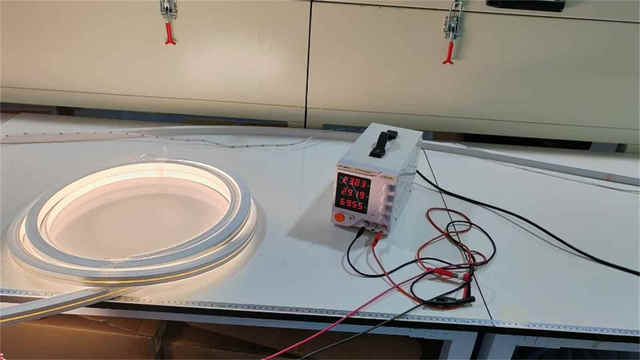
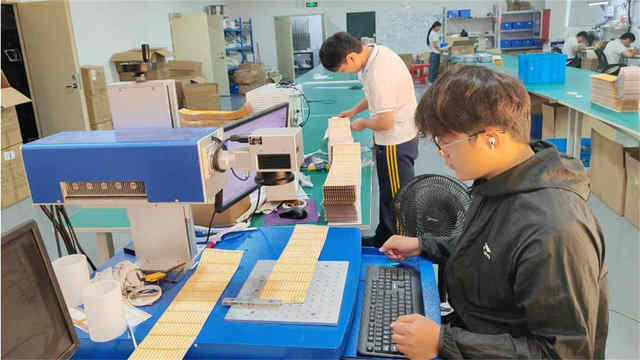
Navigating large-scale lighting imports from China requires a robust methodology to evaluate vendor reliability and mitigate supply chain risk. Consider these four critical procurement parameters:
1. Driver Certification & Component Origin: The driver is the most common failure point in solid-state lighting. Avoid generic drivers that use sub-standard electrolytic capacitors. Ensure your manufacturer offers certified, branded drivers (such as Lifud, Mean Well, or Philips) with robust thermal management and components rated for at least 50,000 operational hours.
2. Compliance Verification: For European markets, demand authentic CE-EMC and CE-LVD certificates issued by accredited third-party laboratories. For North America, confirm UL or ETL listings alongside DLC Premium classifications. Ensure testing reports explicitly show compliance with thermal thresholds, electromagnetic interference (EMI), and harmonic limits.
3. Optical & Mechanical Tolerances: Specify acceptable mechanical tolerances for frame alignment and seam gaps. Sub-standard frames can warp under ceiling stress, leading to light leaks. Ensure diffuser materials are UV-stabilized to maintain light output and color consistency throughout the product lifecycle.
4. Logistic Optimization & Container Packing: LED panel lighting can be bulky and fragile. Work with a manufacturer that uses structural double-wall corrugated packaging with customized corner-protection inserts. Optimizing pack configurations directly lowers shipping costs per unit, improving your overall landed cost structure.
In-depth, direct technical explanations addressing core engineering and operational questions common in commercial procurement.
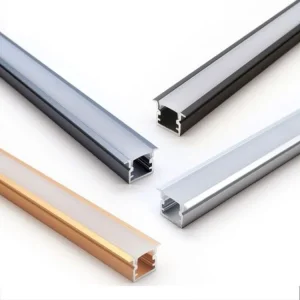
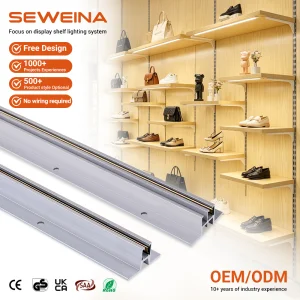
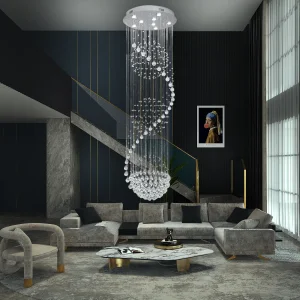
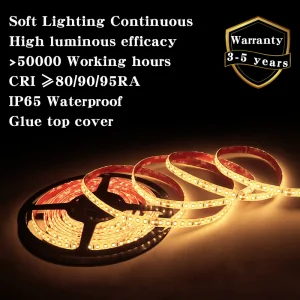
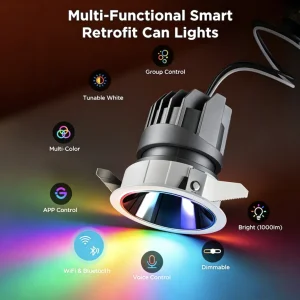
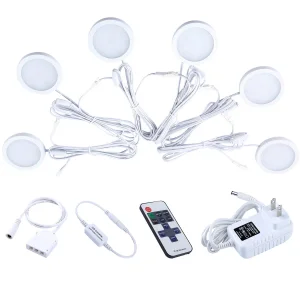
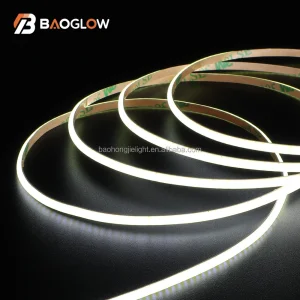
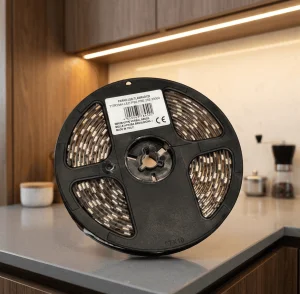
A versatile selection of customizable linear profiles, flexible strip lighting, and architectural-grade decorative fixtures for premium commercial projects.
 VELORIQ Lighting