Over the past decade, the global architectural and commercial lighting industries have undergone a profound paradigm shift. The replacement of fragile, high-voltage traditional glass neon with solid-state, highly flexible, and energy-efficient LED Neon Flex systems has revolutionized modern engineering. China, accounting for over 85% of the world's commercial linear lighting output, stands at the absolute vanguard of this industrial transformation.
For procurement officers, electrical distributors, and global lighting designers, partnering directly with tier-one Chinese manufacturing plants is no longer just about cost arbitrage. It represents a vital technological imperative. The concentration of advanced manufacturing processes in localized clusters—most notably within Guangdong Province—allows for unparalleled integration of critical components, including raw material sourcing, automated silicone extrusion, smart driver design, and rigorous quality certification.
By leveraging advanced silicone chemistry, precision-engineered surface-mount device (SMD) chips, and cutting-edge chip-on-board (COB) architectures, modern Chinese factories supply highly customized, ruggedized linear lighting solutions capable of weathering extreme environmental stressors. This whitepaper analyzes the mechanical, structural, and chemical advances that define modern LED Neon Light manufacturing in China.
Modern commercial applications demand linear light sources that offer absolute chromatic consistency, intense thermal resilience, and easy site integration. Top-tier Chinese export manufacturers satisfy these demands through advanced vertical integration.
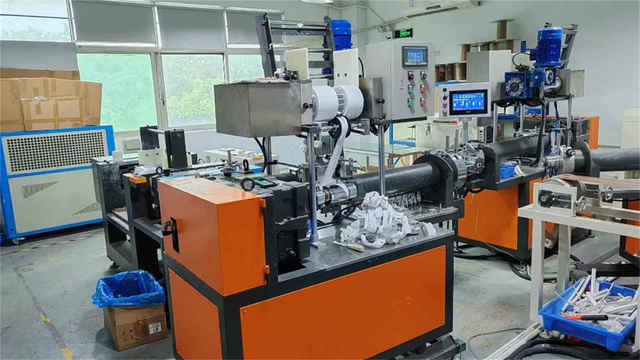
Traditional PVC materials rapidly degrade, yellow, and crack under high UV radiation and extreme thermal cycles. Leading manufacturers utilize high-grade, optical-grade liquid silicone co-extrusion technology. This process yields superior UV stability, chemical resistance to solvents and salt spray, and extreme flexibility down to -40°C.
Heat dissipation is the singular most critical factor governing the lifespan of high-output LED strips inside neon housings. Tier-one factories utilize thicker 3oz to 4oz rolled annealed copper PCBs alongside advanced double-sided SMD mount configurations. This results in minimal voltage drop across long runs and exceptionally cool junction temperatures.
Color consistency across multiple production batches is paramount for large-scale architectural facades. Responsible exporters enforce a strict 3-Step MacAdam Ellipse binning strategy. This standard guarantees that replacement runs or phased installation segments maintain uniform chromatic coordinates (CCT) and color rendering integrity (CRI >90).
For decades, standard flexible LED neon strips relied on PVC (polyvinyl chloride) compounds. While highly cost-effective, PVC displays a severe vulnerability to environmental degradation.
Under prolonged exposure to solar UV radiation, PVC undergoes rapid photo-degradation, releasing plasticizers that turn the sheath yellow, brittle, and highly prone to water ingress. Chemically, silicone polymers feature a much stronger silicon-oxygen backbone compared to the carbon-carbon backbone of PVC, rendering silicone virtually transparent to UV light and immune to atmospheric oxidation.
Furthermore, silicone maintains its structural integrity and flexibility across a massive temperature envelope (-50°C to +150°C), preventing the cracking and contraction that typically compromise standard installations during severe winter freezes. By switching exclusively to silicone, architectural systems secure a minimum operational lifespan of 5 to 7 years in punishing outdoor environments.
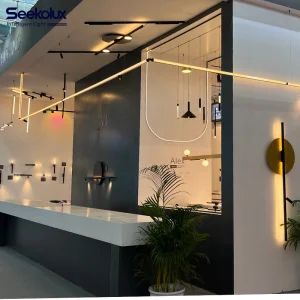
Modern LED Neon lighting is no longer restricted to simple signage. It serves as an essential structural element in modern architecture, hospitality, marine design, and urban master planning.
High-intensity, IP68 rated vertical or horizontal bending neon profiles trace modern skyscraper contours seamlessly. Thanks to robust silicone housings, these systems resist salt-laden coastal spray and extreme wind-shear pressures.
Dot-free linear light distribution is critical to avoiding glare on highly reflective retail display cases. Ultra-high density COB (Chip-on-Board) neon lights offer homogeneous light bands, rendering luxury goods with museum-grade color fidelity (CRI >95).
With moisture-tight, factory-molded end caps and low-voltage DC24V inputs, LED neon provides atmospheric under-bench and steam-room light profiles without risking electrical hazards or degradation due to prolonged high-humidity thermal cycles.
A Professional LED Indoor & Outdoor Lighting OEM/ODM Manufacturer Since 2014.
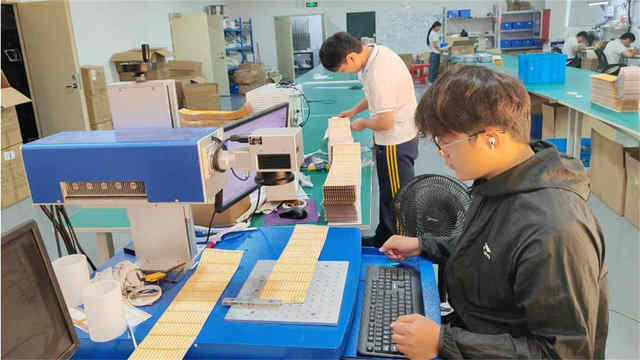
Established in 2014, Guangzhou VELORIQ Light Co., Ltd. has evolved into a leading, highly reliable OEM and ODM lighting factory. Operating a modern, state-of-the-art manufacturing facility spanning over 8,000 square meters, VELORIQ combines advanced structural engineering with world-class international export capabilities.
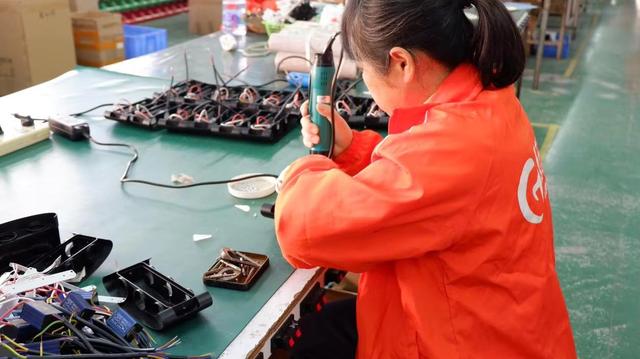
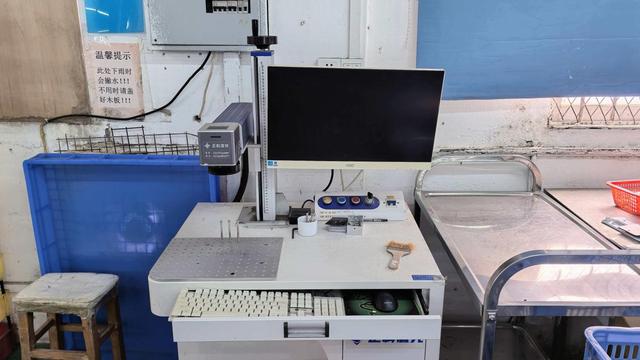
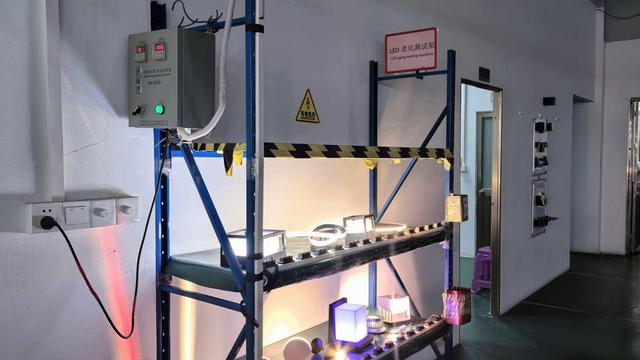
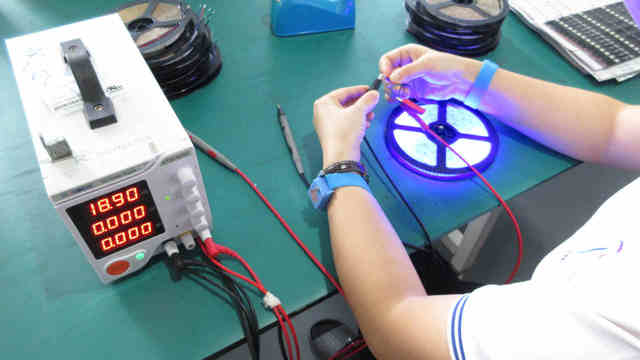
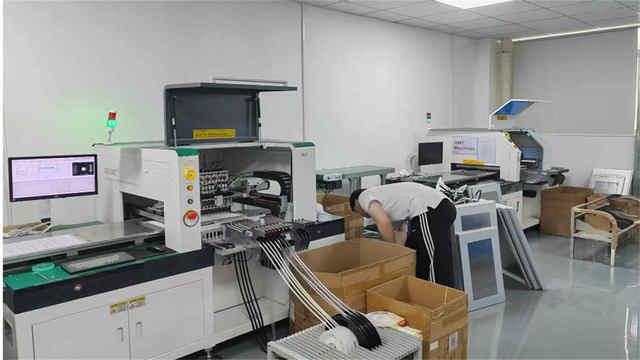
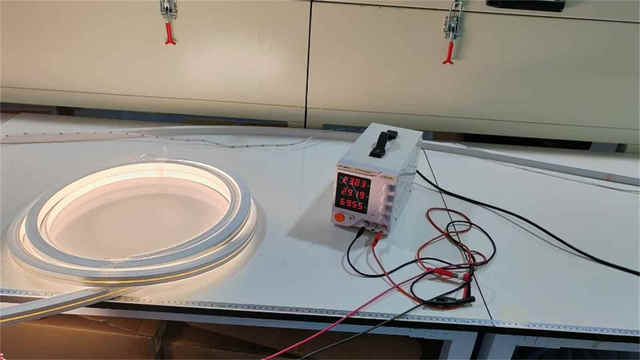
The company employs a skilled, multi-disciplinary team of more than 120 technicians, workers, and management specialists. Armed with advanced high-speed SMD assembly lines, customized extrusion channels, and strict optical testing equipment, the factory focuses on delivering highly energy-efficient, robust commercial lighting solutions that meet and exceed rigorous international testing and certification standards.
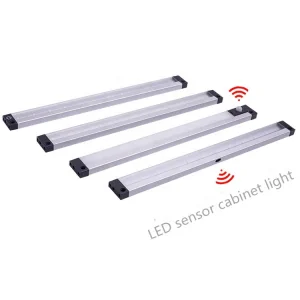
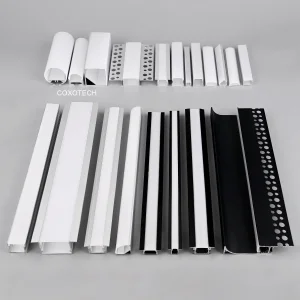
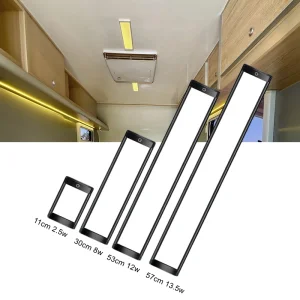
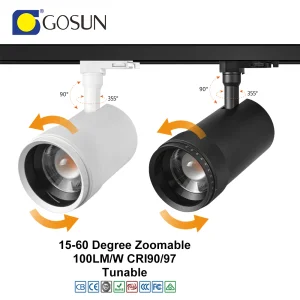
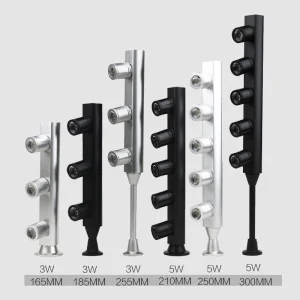
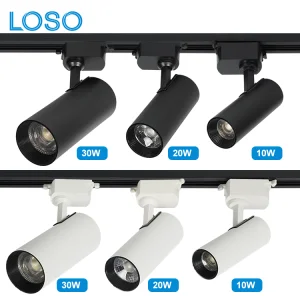
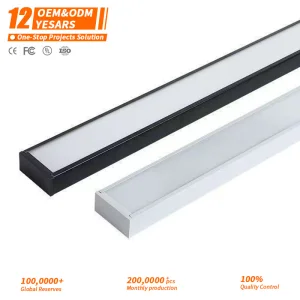
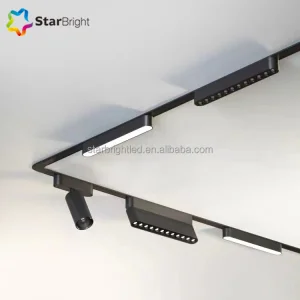
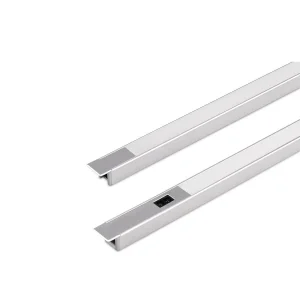
Veloriq's diverse product portfolio ranges from high-spec LED strip lights, advanced neon linear lights, recessed aluminum channel profiles, and track lighting to sophisticated smart-sensor cabinet and ceiling lighting structures. Through continuous materials research and strict quality control protocols, they support global contractors, electrical importers, and international brands with highly stable, custom-tailored supply chains.
Procuring linear LED lighting products at volume requires a thorough evaluation of technical metrics that extend beyond initial unit costs. Below is an engineering checklist designed for procurement directors.
Always verify that target factories hold valid, third-party accredited safety certifications appropriate for your local market:
Insist on a structural specification sheet identifying the exact housing polymer:
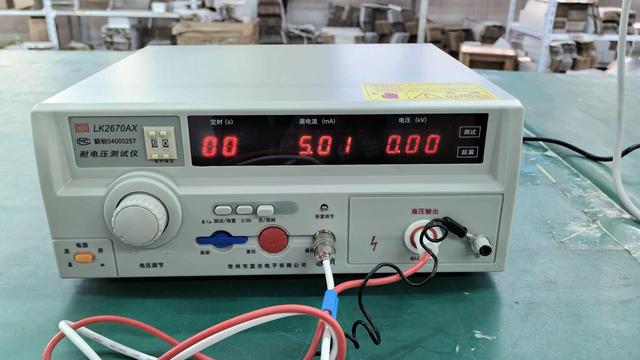
Require structural, optical, and thermal testing data sheets before releasing bank deposits:
As dynamic energy grids, IoT architectures, and human-centric wellness programs dictate structural design, linear lighting must adapt. Below are three key trends defining the next generation of LED Neon Flex development.
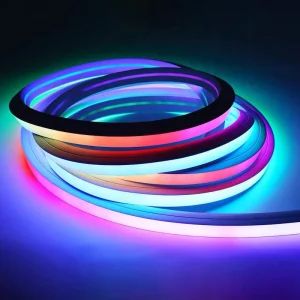
The market is shifting rapidly from static color or standard RGB lines to dynamic Addressable RGBIC configurations. Employing micro-ICs (such as WS2811, UCS1903, or SPI protocols) embedded directly onto the flex copper PCB allows developers to program fluid color waves, high-definition animations, and interactive environmental triggers.
Modern corporate offices and wellness centers demand linear lighting capable of mimicking natural solar schedules. Dual-color tunable LED Neon strips (ranging dynamically from 2200K firelight warm up to 6500K crisp day-white) support human circadian rhythms, dramatically boosting daytime focus and supporting relaxation during transition hours.
As global ecological frameworks require buildings to minimize raw resource depletion, tier-one manufacturers are leading the charge. This includes transitioning production loops to zero-emission thermal recovery facilities, implementing low-toxicity silicone sourcing, and engineering modular components that enable straightforward separating and recycling.
 VELORIQ Lighting