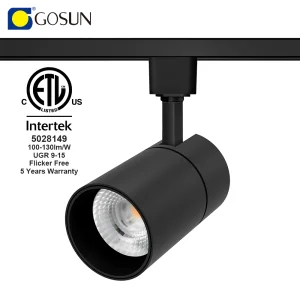
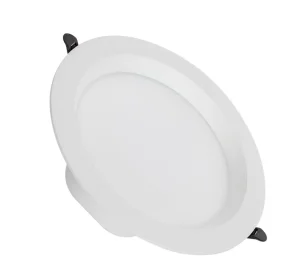
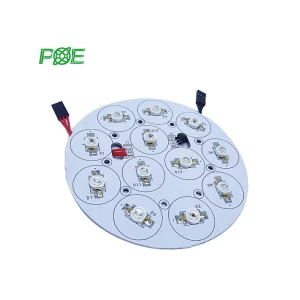
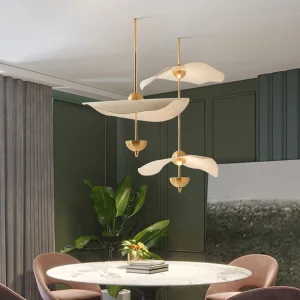
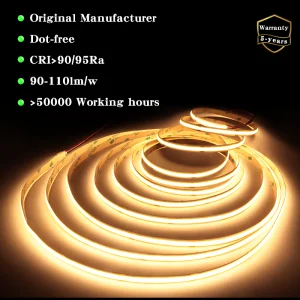
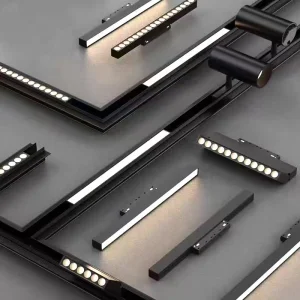
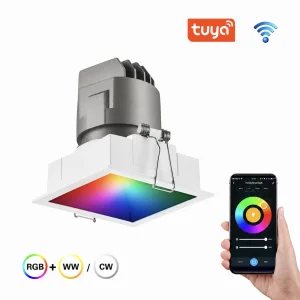
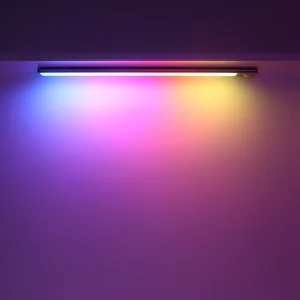
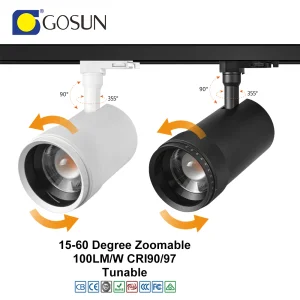
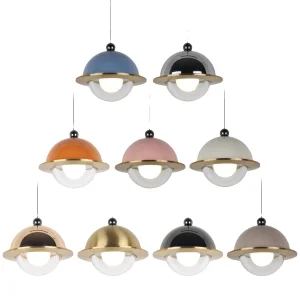
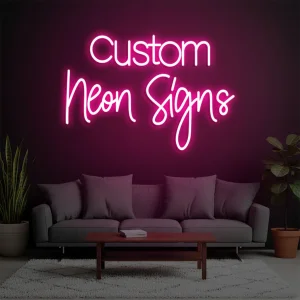
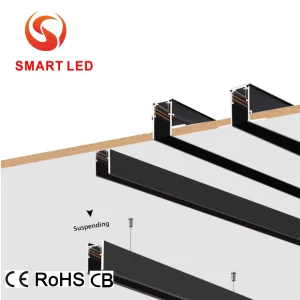
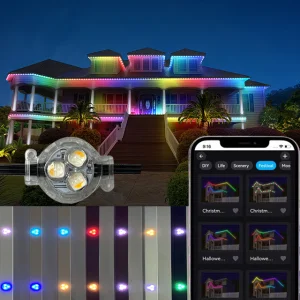
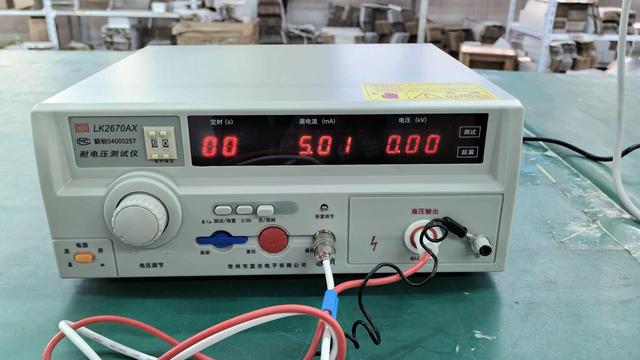
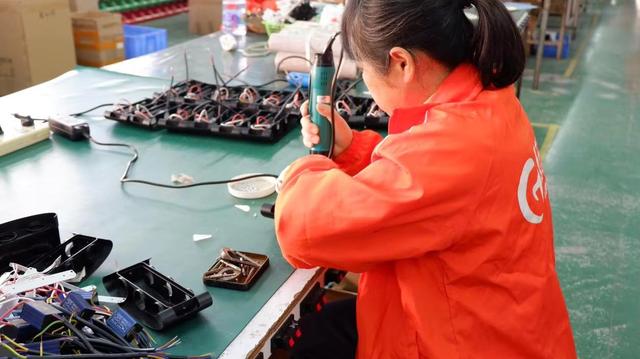
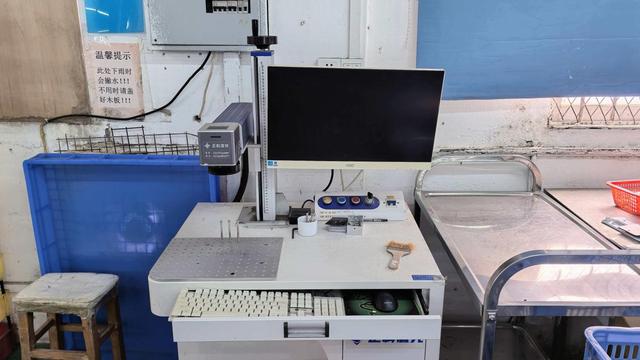
Our core manufacturing capabilities extend from standard commercial fixtures to high-precision emergency-ready modules.
The global LED emergency lighting market is currently undergoing a radical transformation, driven by stringent fire safety regulations (such as UL924 in North America and EN 60598-2-22 in Europe) and the rapid adoption of "Smart Building" architectures. As infrastructure ages and urbanization accelerates, the demand for reliable, energy-efficient, and long-lasting emergency illumination systems has surged. Unlike decorative lighting, emergency systems are life-critical infrastructure, requiring 100% reliability during power failures or hazardous events.
Top manufacturers are no longer just "light assemblers"; they are now power electronics specialists. The integration of advanced Lithium Iron Phosphate (LiFePO4) batteries has replaced traditional Lead-Acid and Ni-Cd packs, offering longer cycles and better thermal stability. Furthermore, the shift toward IoT-enabled monitoring allows facility managers to conduct automated "Monthly and Annual Function Tests" remotely, fulfilling legal compliance without manual labor, thereby reducing the Total Cost of Ownership (TCO) for large-scale industrial complexes.
Adherence to UL, CE, and RoHS standards is the baseline for top-tier factories ensuring global market entry.
Sophisticated Driver-on-Board (DOB) and Integrated Circuitry (IC) manage the transition between AC and DC battery power.
Real-time health monitoring via Zigbee or DALI protocols for intelligent building management systems (BMS).
Guangzhou VELORIQ Light Co., Ltd. is a professional LED indoor lighting manufacturer dedicated to providing innovative commercial and residential lighting solutions for customers worldwide. Established in 2014, the company has developed into a reliable OEM and ODM lighting factory with strong capabilities in product design, engineering, manufacturing, and international export services.
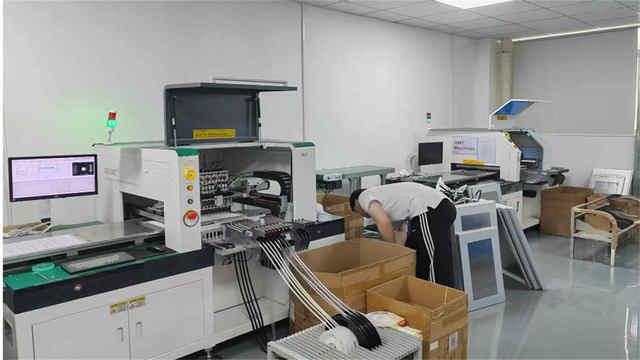
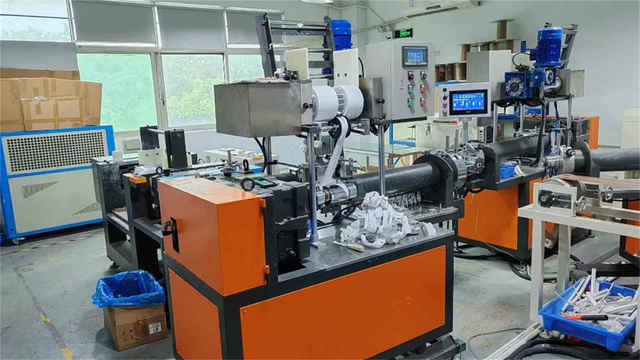
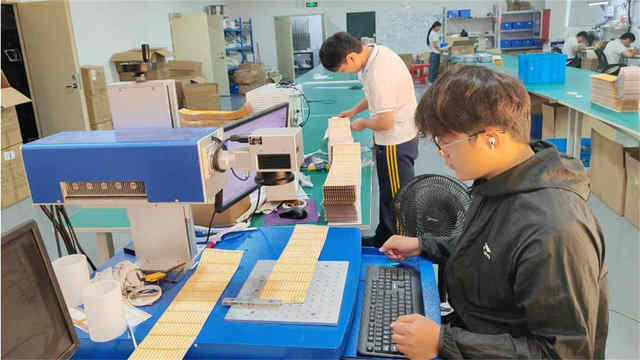
Located in Guangzhou, China, VELORIQ operates a modern manufacturing facility covering over 8,000 square meters and employs more than 120 skilled workers, technicians, and management staff. Equipped with advanced production lines and strict quality control systems, the company focuses on delivering energy-efficient, durable, and aesthetically designed indoor lighting products that meet international market standards.
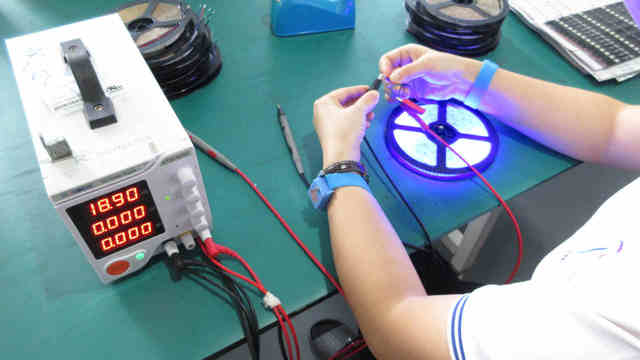
Our Core Competency: As an experienced OEM and ODM factory, Guangzhou VELORIQ Light Co., Ltd. offers customized services including product appearance development, lighting structure optimization, smart lighting integration, packaging design, and private label manufacturing. We support global importers, wholesalers, contractors, and lighting brands with flexible production and stable supply capabilities.
How the next generation of emergency lighting will redefine public safety.
1. Predictive Maintenance (AI): By analyzing battery discharge curves using machine learning, systems can predict battery failure 3-6 months before it occurs, ensuring zero downtime.
2. Li-Fi for Emergency Communication: In smoke-filled environments where Wi-Fi might fail, LED emergency lights can use Light Fidelity (Li-Fi) to transmit exit coordinates to first responders' devices.
3. Central Battery Systems (CBS): Moving away from individual batteries in every fixture to high-power central DC banks, simplifying maintenance and improving environmental sustainability.
Focus on aesthetics and integration with architectural ceilings. Slim-profile recessed lights and magnetic track systems with backup emergency modules are the trending choice for modern Grade-A offices.
Harsh environments require high IP-rated fixtures (IP65+) and high-lumen output from greater mounting heights. Durability against dust, moisture, and vibration is paramount for large distribution centers.
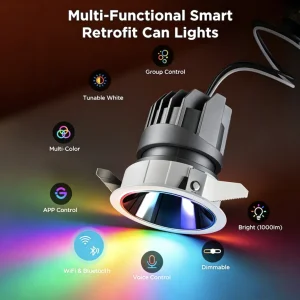
Integrating smart night lights and dimmable smart downlights that automatically switch to emergency mode provides safety without compromising the "homey" atmosphere.
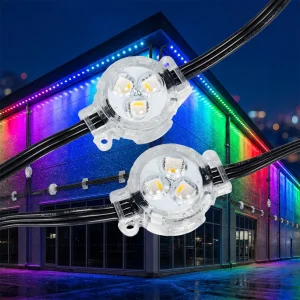
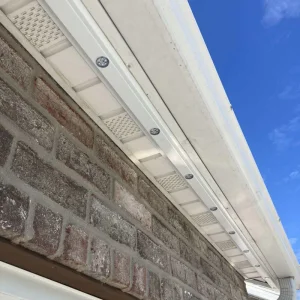
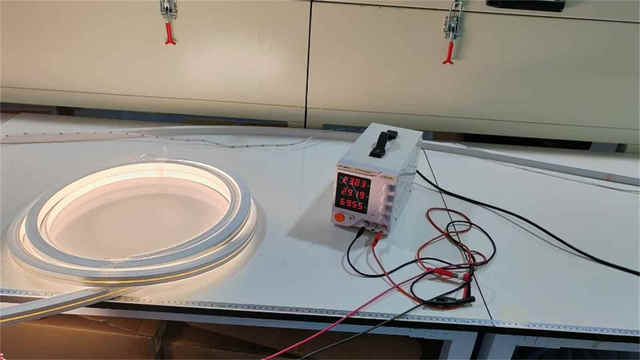
Pixel lights and outdoor track lighting systems for permanent eaves or roof lighting must withstand UV exposure and temperature fluctuations while maintaining safety signaling functionality.
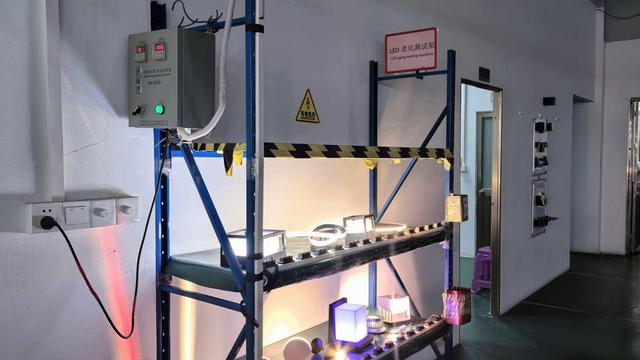
 VELORIQ Lighting