Choosing the right indoor LED lighting can significantly impact your space. Expert lighting designer Sarah Thompson emphasizes, "Lighting influences mood and functionality." With the right approach, you can enhance both comfort and aesthetics.
When considering how to choose indoor LED lighting, factors like brightness, color temperature, and fixture style come into play. It’s easy to get overwhelmed by options. Not every LED is created equal. Some may cast a harsh light, while others create warmth.
Think about your needs. Do you want a cozy atmosphere or bright task lighting? Remember, experimenting is key. Sometimes, what seems ideal might not suit your actual living space. Make decisions that reflect both functionality and personal taste.
Understanding Different Types of Indoor LED Lighting Options
Choosing the right indoor LED lighting can greatly affect the ambiance and functionality of your space. Understanding the different types of indoor LED lighting options is crucial for making informed decisions. For instance, general lighting provides overall illumination, while task lighting focuses on specific areas. Accent lighting can highlight artwork or architectural features, creating an engaging atmosphere.
When selecting LED lighting, consider the color temperature. Warmer tones create a cozy feel, while cooler tones are more energizing. According to recent studies, 60% of people prefer warmer lights for living rooms and bedrooms. This can help enhance comfort and relaxation.
One common issue is choosing the wrong brightness. The brightness of LED lights is measured in lumens. A bright space may require 700-1000 lumens per room. However, too much brightness can lead to discomfort. It’s essential to test different options before making a final decision.
Finally, look for energy efficiency. LEDs use about 75% less energy than traditional bulbs. They have a longer lifespan, reducing the need for frequent replacements. Research shows that this can lead to significant savings over time. These insights can guide you in selecting the best indoor LED lighting for your needs.
Evaluating Brightness Levels and Color Temperatures for Your Space
Choosing the right indoor LED lighting involves evaluating brightness levels and color temperatures that suit your space.
Brightness is measured in lumens. Higher lumen output means a brighter environment. Assess how the brightness will complement your room's function.
For instance, reading nooks need focused light, while living rooms benefit from softer, diffuse illumination.
Color temperature defines the mood of your space. Measured in Kelvin, lower temperatures (2700K–3000K) create a warm, cozy ambiance.
Higher temperatures (4000K–6500K) result in a cooler, more energetic feel.
Consider how the color temperature affects your activity. Warmer lights can help you relax, while cooler lights may boost productivity.
Experiment with different options, like dimmers or smart controls, to find the ideal balance.
Take note of how various color temperatures interact with your walls and furnishings.
It’s vital to test lighting in person. Sometimes what looks good online feels different in reality.
Make adjustments based on how you use the space. Remember, lighting can transform your environment.
Be thoughtful and flexible in your choices.
Assessing Energy Efficiency and Lifespan of LED Lighting
When selecting indoor LED lighting, energy efficiency is crucial. LEDs consume significantly less energy compared to traditional bulbs. They convert most electricity into light rather than heat. This results in lower energy bills over time. However, not all LEDs are created equal. The energy efficiency rating can vary widely. It’s important to check the lumens per watt ratio. A higher ratio indicates better efficiency.
Lifespan is another vital factor to consider. On average, LED bulbs last up to 25,000 hours or more. This longevity means less frequent replacement and less waste. However, the lifespan can decrease if the fixture is poorly designed or if it operates at high temperatures. Heat is the enemy of LED longevity. Using a fixture with proper ventilation can enhance performance. Also, keep an eye on quality. Cheaper LED options may not last as long or perform as well. Investing in a better product often yields better results in the long run.
Designing Lighting Layouts for Aesthetics and Functionality
Creating an aesthetically pleasing and functional indoor lighting layout requires careful consideration.
Studies show that well-designed lighting can enhance room ambience and even boost productivity. A recent report by the
American Lighting Association indicates that quality lighting can improve mood and concentration by
up to 20%.
When planning your layout, start by assessing each room's purpose. For instance, kitchens benefit from bright, even lighting that minimizes shadows, while living areas may require softer, more ambient lighting.
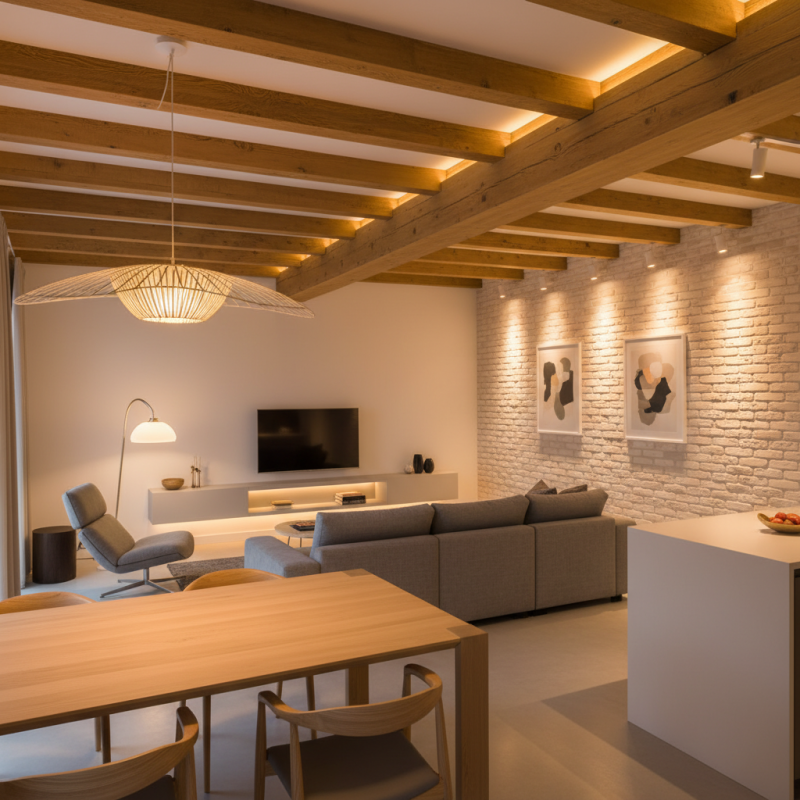
Use a mix of LED fixtures to create layers of light. This can include ceiling fixtures, task lighting, and accent lights.
Tip: Position lights at different heights. This adds depth and dimension to your space. Additionally, consider dimmable lights. They allow flexibility and can transform an atmosphere instantly.
Next, don't forget about color temperature. Warmer temperatures (2700K-3000K) create comfort, while cooler temperatures (4000K-5000K) are ideal for tasks.
A balanced combination can cater to functionality while maintaining visual appeal. Always aim for a harmonious balance to avoid harsh shadows or overly bright spots.
Tip: Test your lighting layouts before finalizing. Sometimes, adjustments can prevent overcrowded designs. Reflecting on these elements can lead to more thoughtful decisions about indoor lighting.
Considering Smart Technology Features for Enhanced Control and Convenience
When choosing indoor LED lighting, consider smart technology features for better control and convenience. Smart lighting can transform how you experience your space. Imagine adjusting your lights with a voice command or a simple tap on your smartphone. This technology gives you the power to set the mood exactly as you desire.
Energy efficiency is another important factor. Smart LED lights can schedule on and off times, reducing energy wastage. You might find yourself forgetting to turn off lights, but automation can handle that for you. While smart features enhance convenience, not every system is user-friendly. Some apps require a learning curve. Be prepared for potential frustrations.
Integration with other smart devices provides a seamless experience. Customizable settings can adapt to your daily routine. However, it's essential to ensure compatibility with existing devices. Research the options, but don’t rush the decision. You might discover features you never knew you needed. Embrace the learning process and enjoy the journey toward achieving the perfect lighting for your home.
Top 10 Tips for Choosing Indoor LED Lighting Effectively
| Tip Number |
Tip Description |
Smart Features |
Energy Efficiency |
| 1 |
Assess your lighting needs based on room function. |
Dimmable options for mood setting. |
Up to 80% less energy than incandescent bulbs. |
| 2 |
Choose the right color temperature for ambiance. |
Smart color-changing capabilities. |
Long lifespan (15,000 hours plus). |
| 3 |
Consider adjustable brightness for versatility. |
Remote operation via smartphone app. |
Lower heat emissions. |
| 4 |
Check for compatibility with existing fixtures. |
Integration with home automation systems. |
Reduced electricity costs over time. |
| 5 |
Select fixtures that complement room aesthetics. |
Voice control features. |
Environmentally friendly production. |
| 6 |
Plan for layering light for depth and interest. |
Scheduling and automation options. |
Less maintenance required. |
| 7 |
Evaluate the lighting layout for optimal distribution. |
Can be integrated with motion sensors. |
Lower carbon footprint. |
| 8 |
Consider using pendant lights or chandeliers. |
Customizable lighting scenes. |
Durable materials for longevity. |
| 9 |
Check wattage for energy consumption. |
Remote dimming and on/off control. |
Helps in achieving energy-efficient ratings. |
| 10 |
Review reviews and ratings for reliability. |
Updates via firmware for enhanced features. |
Saves resources and costs. |
Conclusion
When exploring how to choose indoor LED lighting effectively, it is essential to understand the diverse options available, such as recessed lights, pendant lamps, and floor lamps. Evaluating brightness levels and color temperatures is crucial to ensuring that the selected lighting complements your space and meets your practical needs. Additionally, taking into consideration the energy efficiency and lifespan of LED lights can lead to long-term savings and reduced environmental impact.
Designing lighting layouts that balance aesthetics and functionality also plays a significant role in creating a pleasant atmosphere within your home. Lastly, incorporating smart technology features can enhance your control over the lighting, offering convenience and added versatility. By considering these factors, you can make informed decisions on how to choose indoor LED lighting that truly enhances your living environment.

 VELORIQ Lighting