LED indoor lighting has transformed how we illuminate our spaces. According to Dr. Robert Green, a renowned lighting engineer, "Understanding how does LED indoor lighting work can significantly influence energy savings." This insight emphasizes the importance of grasping the technology behind LED lights.
LEDs, or light-emitting diodes, create light through electroluminescence. When an electrical current passes through a semiconductor, it emits photons. This conversion is highly efficient, consuming less energy than traditional bulbs. It’s crucial to know that not all LED products are the same. Variations in quality can impact performance and longevity.
Exploring how does LED indoor lighting work also involves acknowledging imperfections. Some users may experience an initial high cost, which can be off-putting. However, the long-term benefits often outweigh this concern. Energy savings and reduced environmental impact are significant advantages worth considering. Understanding these aspects helps consumers make informed choices.
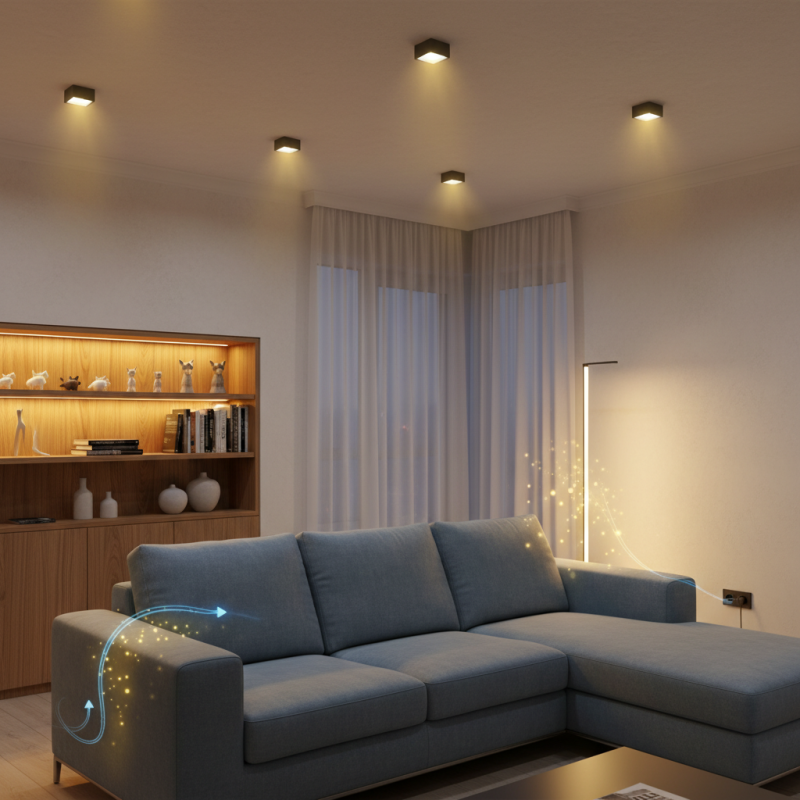
The Basics of LED Technology and Its Functionality
LED technology has transformed indoor lighting with its efficiency and versatility. At its core, LEDs (Light Emitting Diodes) convert electricity into light through a process called electroluminescence. This involves the movement of electrons within a semiconductor material. The result is a highly efficient light source, consuming up to 80% less energy than traditional incandescent bulbs.
According to a report by the U.S. Department of Energy, LED lighting is projected to account for 84% of the global lighting market by 2030. This projection highlights how LEDs not only save energy but also reduce greenhouse gas emissions. The lifespan of LEDs is approximately 25,000–50,000 hours, significantly longer than conventional bulbs which last around 1,000 hours. This durability contributes to sustainability, but over time, LED performance can diminish, known as lumen depreciation, raising questions on their long-term reliability.
While LEDs offer numerous advantages, they are not without flaws. For instance, color rendering can vary, leading to discrepancies in how colors appear under LED light. Moreover, the initial cost of LED fixtures can be higher than traditional lights. However, their long-term cost savings and environmental benefits often outweigh these initial expenses. Understanding the balance of these factors is essential for making informed lighting decisions.
Understanding the Components of LED Indoor Lighting Systems
LED indoor lighting systems consist of several key components that work together for effective illumination. The heart of the system is the LED chip, which generates light when electricity passes through it. These chips are surrounded by a heat sink that manages temperature, preventing overheating. Proper heat management is crucial for longevity and performance.
The driver is another essential component. It regulates the power supplied to the LEDs, ensuring they operate efficiently. Without a reliable driver, the LEDs might flicker or fail prematurely. Wiring also plays a vital role, connecting all parts securely. Inspecting the connections is important to avoid potential hazards.
Reflectors and diffusers help shape the light output. They enhance brightness and distribute light evenly across a space. However, imperfect placements can lead to hotspots or shadows. Achieving the right balance requires careful consideration and sometimes trial and error. Regular maintenance, including cleaning, is also necessary to ensure optimal performance over time.
Key Advantages of Using LED for Indoor Lighting Efficiency
LED indoor lighting has become a popular choice for many due to its numerous benefits. One major advantage is energy efficiency. Data from the U.S. Department of Energy states that LED bulbs can use up to 75% less energy than traditional incandescent bulbs. This remarkable efficiency translates into significant savings on electricity bills over time, making it a cost-effective solution for homes and businesses alike.
Another key benefit of LED lighting is its long lifespan. While incandescent bulbs typically last about 1,000 hours, LEDs can last up to 25,000 hours or more. This longevity reduces the frequency and cost of replacements, which is a notable advantage for large installations. Moreover, LEDs emit light in a specific direction, minimizing the need for reflectors and diffusers. This feature enhances their efficiency in illuminating targeted areas, contributing to reduced waste of light and energy.
Comfort and quality of light are vital in any indoor setting. LEDs offer a wide range of color temperatures, allowing users to select warm or cool lighting based on their preferences. This adaptability can significantly impact mood and productivity, especially in workspaces. However, it's crucial to address that some lower-quality LED products could flicker or produce harsh lighting. Investing in quality and reliable products is essential for achieving optimal results.
How LED Indoor Lighting Affects Energy Consumption
LED indoor lighting significantly impacts energy consumption in various ways. Unlike traditional bulbs, LEDs convert most of their energy into light rather than heat. This efficiency reduces electricity bills, making them a cost-effective choice for households and businesses alike. Studies show that switching to LED lighting can cut energy usage by up to 80%.
Moreover, the lifespan of LED bulbs is considerably longer, lasting up to 25,000 hours. This longevity results in fewer replacements and less waste. However, it's crucial to consider the initial investment in LED technology. While upfront costs may be higher, the savings over time can be substantial. Users should also evaluate their lighting needs carefully to avoid over-illuminating spaces, which can waste energy.
The dimmable features of many LED models offer flexibility, allowing users to adjust brightness based on actual needs. This adaptability not only enhances mood but also optimizes energy use. It's essential to stay informed about best practices in LED utilization to ensure maximum efficiency. Small adjustments can lead to meaningful reductions in energy consumption.
Examining Lifespan and Maintenance of LED Indoor Lighting Solutions
LED indoor lighting has become a popular choice due to its efficiency and longevity. Understanding the lifespan of these lights is crucial. On average, LEDs can last between 15,000 to 50,000 hours, significantly outpacing traditional bulbs. This feature leads to fewer replacements and reduced waste. However, the actual lifespan can depend on usage, temperature, and installation quality.
Maintenance of LED lighting systems is minimal yet essential. Regularly dusting the fixtures helps in maintaining brightness. However, many users overlook this step. It’s easy to forget that dust can accumulate quickly. Proper placement away from heat sources can also enhance performance. Though designed to last, LEDs may still encounter issues, like flickering or dimming, which can indicate a need for maintenance or replacement.
Moreover, energy efficiency doesn’t mean zero care. Even with long lifespans, users should monitor their performance. Some LEDs may degrade over time, leading to color shifts or reduced output. Reflecting on the long-term benefits versus maintenance needs is vital for optimal performance. Making informed choices can lead to better lighting solutions at home or office.
Top 10 Reasons How Does LED Indoor Lighting Work Effectively? - Examining Lifespan and Maintenance of LED Indoor Lighting Solutions
| Reason |
Description |
Lifespan (Hours) |
Maintenance Effort |
| Energy Efficiency |
LEDs consume less energy compared to traditional bulbs. |
25,000 - 50,000 |
Low |
| Long Lifespan |
Last significantly longer than incandescents and fluorescents. |
25,000 - 50,000 |
Minimal |
| Durability |
More robust and less prone to breakage. |
N/A |
Very low |
| Low Heat Emission |
Emits less heat, making them safer. |
N/A |
Low |
| Wide Range of Colors |
Available in various color temperatures. |
N/A |
None |
| Instant Lighting |
Provides full brightness instantly. |
N/A |
No maintenance |
| Environmentally Friendly |
Contains no harmful chemicals like mercury. |
N/A |
Low |
| Smart Compatibility |
Many can connect to smart home systems. |
N/A |
Variable |
| Reduced Flicker |
Minimized flicker for improved visual comfort. |
N/A |
Very Low |
| Customization |
Easily integrated into various lighting designs. |
N/A |
Low |
FAQS
: The main components include LED chips, heat sinks, drivers, wiring, reflectors, and diffusers.
Proper heat management prevents overheating, ensuring longer lifespan and better performance of the LEDs.
A driver regulates power to the LEDs, preventing flickering and premature failure.
LEDs can reduce electricity bills by converting most energy into light, saving up to 80% on energy use.
LED bulbs can last between 15,000 to 50,000 hours, depending on usage and installation quality.
Regular dusting of fixtures is essential to maintain brightness, yet many users neglect this step.
Yes, many LED models are dimmable, allowing users to optimize brightness based on needs.
Flickering or dimming lights may signal a need for maintenance or replacement.
Proper placement, away from heat sources, can enhance performance and prolong lifespan.
Users should evaluate lighting needs to avoid over-illuminating, which can waste energy.
Conclusion
LED indoor lighting has become increasingly popular due to its advanced technology and energy efficiency. Understanding how does LED indoor lighting work involves recognizing its core components, such as the semiconductor materials that emit light when an electric current passes through them. This core functionality leads to significant advantages, including lower energy consumption and a longer lifespan compared to traditional lighting solutions.
Moreover, LED indoor lighting systems require less maintenance, making them a cost-effective option in the long run. Their efficient energy use not only reduces electricity bills but also contributes to a sustainable environment by decreasing overall energy consumption. With the growing emphasis on energy efficiency and environmental sustainability, LED technology stands out as a reliable choice for indoor lighting solutions.

 VELORIQ Lighting