Lighting can transform a living room from dull to delightful. Experts emphasize the importance of thoughtful design. According to renowned interior designer Kelly Wearstler, “Lighting is the crown jewel of a room.” This highlights how integral light is in setting the mood.
When pondering "how to choose lighting for a living room," consider your space’s function. Is it for relaxation or entertaining? Layering light sources helps create a warm, inviting atmosphere. Use a mix of ambient, task, and accent lights for balance.
However, many often overlook practical aspects. Ensure you select fixtures that complement your decor. The height and brightness of lights must be appropriate. It’s critical to evaluate your options carefully. Poor lighting can lead to discomfort and even eye strain. So, reflect on your choices. A well-lit room should not just look good but also feel right.
Understanding the Importance of Living Room Lighting Design
The living room is often the heart of a home. Its lighting plays a crucial role in setting the mood. Effective lighting design can enhance comfort and functionality. Choosing the right fixtures and arrangements matters. Consider the activities you do in this space. Do you read, entertain, or relax? Each purpose requires different lighting solutions.
Creating layers of light is essential. Combining ambient, task, and accent lights can create a warm atmosphere. Think about natural light as well. Large windows or light-colored walls can reflect sunlight beautifully. However, be mindful of glare and shadows. This requires careful positioning of light sources.
Experiencing different lighting arrangements can help refine your choices. Sometimes, trial and error leads to the best results. Adjusting the brightness or color temperature can significantly change the ambiance. Remember, it’s a process of discovery. The perfect lighting design may look different in each unique living space. Embrace those imperfections as part of your personal style.
Identifying Different Types of Living Room Lighting Fixtures
When designing living room lighting, it's crucial to understand the various types of fixtures available. Each fixture serves a unique purpose, contributing to the overall ambiance.
Ceiling fixtures, like chandeliers, offer a central light source. They can create an elegant statement but may not provide enough light for specific tasks. Consider adding
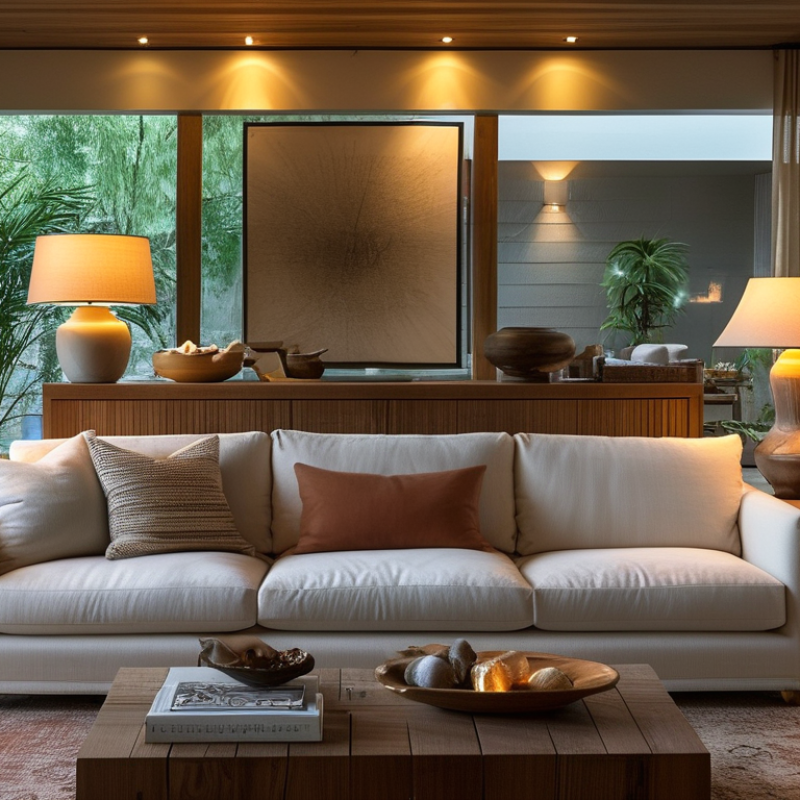
table lamps next to sofas or armchairs. These can enhance the space while providing focused lighting for reading or relaxing.
Wall sconces are another excellent option. They add depth and dimension to your walls, enhancing character. However, placement is key; too high or too low can create shadows.
Floor lamps offer versatility. They can be moved easily and provide additional light where needed. Nonetheless, ensure they complement your existing decor.
Finally, consider accent lighting, such as LED strips or recessed lighting. These can highlight artwork or architectural features. While they can create a modern touch,
too much accent lighting can feel harsh or overwhelming. Striking the right balance is essential for a harmonious living space. Each of these fixtures has its strengths and weaknesses, requiring careful thought and experimentation for the best results.
Evaluating the Functionality Needs of Your Living Room Space
Evaluating the functionality needs of your living room is crucial for effective lighting design. This space often serves multiple purposes. Is it a gathering place, a reading nook, or an entertainment hub? Understanding how you use the room will guide your lighting choices. For instance, if you host friends frequently, consider brighter, more ambient lighting. In contrast, for a cozy reading area, warm, focused light may be best.
It’s important to assess existing furniture and layout. Large furniture can obstruct light, while open spaces may benefit from layered lighting. Include floor lamps, table lamps, and overhead fixtures to create depth. Consider dimmers for flexibility. This approach allows you to adjust the brightness based on the activity at hand. Don't overlook natural light; it can enhance the overall atmosphere. Think about the times of day you use the room. Make sure your lighting amplifies comfort and functionality, adapting to various needs throughout the day. Reflection is key; evaluate how your lighting choices meet your lifestyle and adjust where necessary.
Choosing the Right Color Temperature for Ambiance
Choosing the right color temperature for your living room lighting is essential for creating the perfect ambiance. Color temperature is measured in Kelvin (K), and it greatly affects how we perceive a space. Warm light (around 2700K to 3000K) offers a cozy feel. This is ideal for evening relaxation, making it perfect for family gatherings. On the other hand, cool colors (5000K and above) can feel sterile. They may not invite conversation or comfort.
Consider layering your lighting. A combination of ambient, task, and accent lights can help balance the color temperature. For instance, installing warm LED fixtures combined with cooler ones can provide flexibility. Some days, you might prefer a relaxed vibe. Other days, you might want a more energized atmosphere. It’s crucial to reflect on how each lighting option affects your mood.
Experiment with dimmers to adjust the intensity. This allows you to switch from a bright workspace to a dim, intimate setting with ease. However, don’t rush this process. Take time to evaluate how different temperatures come together in your space. It's a journey to find the right balance. Keep adjusting until it feels just right.
Incorporating Style and Aesthetics into Lighting Selection
When selecting lighting for your living room, consider both
style and aesthetics.
Lighting can transform a space. The right choice enhances the room's decor. Remember,
it's not just about brightness; it's about creating an atmosphere.
Tip one: Use multiple light sources. A blend of ambient, task, and accent
lighting can highlight your favorite art pieces. Floor lamps
and table lamps add layers and textures. They should complement
your furniture and color scheme. Explore different styles to find what resonates with you.
Tip two: Pay attention to fixtures. They can serve as statement pieces. Unique designs or
unexpected materials catch the eye. Think about how the fixture interacts with your
existing decor. Can it spark conversation? Will it age well? Reflect on these aspects.
Lighting should feel intentional. Create a cohesive look that mirrors your personality.
Test lights in various settings before finalizing. Sometimes, what looks good in the
store may not work at home. Be open to adjustments as you define your space.
FAQS
: Lighting sets the mood and enhances comfort and functionality in this key space.
Activities like reading or entertaining require specific lighting solutions for optimal enjoyment.
Combine ambient, task, and accent lights for a warm and inviting atmosphere.
Natural light can enhance space, but be cautious of glare and shadows from windows.
Experimentation is crucial. Trial and error often lead to the best design outcomes.
Table lamps provide focused light for tasks and enhance the overall space's character.
Placement is key. Too high or low can create unwanted shadows and affect ambiance.
They add versatility and can be moved easily to provide additional light as needed.
Accent lighting highlights features but should be balanced to avoid overwhelming the space.
Careful thought and experimentation with fixtures are essential for balanced and effective lighting.
Conclusion
Choosing the right lighting design for your living room is essential to create an inviting and functional space. Understanding the importance of living room lighting design helps set the perfect mood and enhance the overall aesthetic. First, identify various types of lighting fixtures, such as ambient, task, and accent lighting, to cater to different needs within the space. Evaluating the functionality requirements of your living room allows you to select the appropriate fixtures that best fit your activities and layout.
When learning how to choose lighting for a living room, it's crucial to consider the color temperature of your lights, as it significantly influences the ambiance. Warmer tones can create a cozy atmosphere, while cooler tones may lend a more contemporary feel. Lastly, incorporating style and aesthetics into your lighting selection ensures that your fixtures not only serve a purpose but also complement the decor, enhancing the overall appeal of your living space.

 VELORIQ Lighting