Can Smart LED Lighting Enhance Home Comfort in 2026?

Time:2026-08-17 Author:Henry
0%

As we approach 2026, the role of smart LED lighting in enhancing home comfort becomes increasingly relevant. Recent reports indicate that smart lighting solutions can reduce energy consumption by up to 75%. This efficiency speaks volumes about their potential impact on our daily lives. According to lighting expert Dr. Alice Thompson, “can smart LED lighting improve home comfort? Absolutely; it’s not just about brightness, it’s about the right ambiance.”

Smart LED systems allow homeowners to customize settings based on mood and activity. Imagine returning home to a warm, welcoming glow that adapts to your daily routine. Such flexibility supports improved well-being, making the home feel more inviting. On the contrary, while technology enhances comfort, it can also create dependency. People might forget the simplicity of natural lighting or feel overwhelmed by choices.

There's a need for balance in leveraging smart LED technology. While advancements have made living spaces more comfortable, they also require users to be mindful of their effects. Exploring whether “can smart LED lighting improve home comfort” leads us to both excitement and caution. The journey toward optimal home environments continues, and our choices will shape our comfort levels.
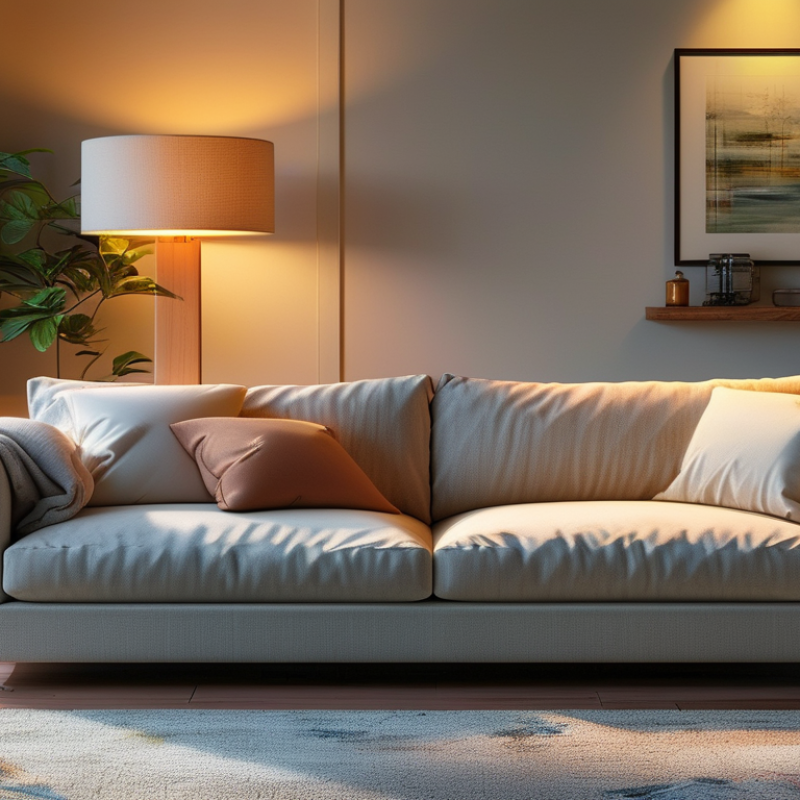
Can Smart LED Lighting Enhance Home Comfort in 2026?

Understanding Smart LED Lighting Technology in 2026

Smart LED lighting technology continues to evolve rapidly, shaping how we experience comfort in our homes. In 2026, we can expect improvements in energy efficiency and customization. Smart LEDs will offer a range of colors and brightness settings, allowing users to create their ideal atmosphere. Imagine adjusting your lighting to a soft, warm glow during a cozy evening, or bright, cool tones for a productive workday.

The integration of smart home devices enhances the functionality of LED lighting. These systems can learn your preferences over time. However, there might be challenges in setup and compatibility. Not all devices communicate seamlessly, leading to potential frustration. Ensuring your lighting system syncs with other smart devices will require attention to detail.

Security and privacy will also play crucial roles in the future of smart LED technology. With the rise in connected devices, concerns about data security and unauthorized access are valid. Users must remain vigilant and informed about their device settings. While the convenience of smart LED lighting is clear, its implementation may require careful consideration and ongoing adjustments. Balancing comfort, efficiency, and security will be vital as we embrace these advancements.

The Role of Smart LED Lighting in Enhancing Home Comfort

Smart LED lighting is revolutionizing the way we experience comfort in our homes. Research conducted by the American Lighting Association indicates that around 85% of homeowners believe lighting significantly affects their mood and well-being. This statistic highlights the vital role of lighting in enhancing the home environment, moving beyond mere aesthetics to psychological comfort.

In 2026, the integration of smart technology with LED lighting will transform how we interact with light. Adjustable color temperatures and brightness levels can tailor to specific activities, such as reading or relaxing. A study from the Department of Energy found that smart LED systems can reduce energy consumption by up to 75%. This not only lowers electricity bills but also contributes to overall home comfort by maintaining ideal lighting conditions throughout the day.

However, the shift to smart lighting isn't without challenges. Some users worry about the complexity of setup and integration with existing systems. Additionally, reliance on technology raises concerns about data privacy and system failures. These issues point to an ongoing need for user-focused designs that prioritize simplicity and security in smart LED solutions. As we move toward 2026, these considerations will shape the evolution of lighting in our homes.

Benefits of Smart LED Lighting for Mood and Well-being

Smart LED lighting has the potential to transform our living spaces. The right lighting can significantly influence our mood and well-being. For instance, warm tones can create a cozy atmosphere, while cool shades often enhance focus. Adjusting color temperatures throughout the day can mimic natural light. This adaptability can promote alertness in the morning and relaxation in the evening.

Many people find it challenging to maintain a balanced lifestyle. Stress and anxiety are common issues. Utilizing smart LED lights can help. Implementing calming blue hues in a room can reduce tension, while bright whites can boost energy levels. These small changes can have a profound effect on mental health. It’s a simple yet effective way to uplift daily routines.

However, it's crucial to be mindful of over-reliance on technology. Not every lighting situation can be solved by smart LED lights. In some cases, people need to disconnect from technology altogether. Finding the balance between tech-enhanced living and genuine connection to our surroundings is essential. Thoughtful use of these tools can lead to a more comfortable and enhanced home environment.

Integration of Smart LED Systems with Home Automation

Smart LED lighting is becoming a staple in modern homes, seamlessly integrating with home automation systems. By 2026, the ability to control lighting through voice commands or mobile apps will enhance comfort and convenience significantly. A recent report indicates that homes with automated lighting can see energy savings of up to 30%.

Consider using smart LED systems to create different moods for various activities. For instance, dimming lights during movie nights can create a cozy atmosphere. Additionally, scheduling lights to dim gradually in the morning mimics a natural sunrise, promoting a smoother wake-up experience.

Although technology offers convenience, it also requires awareness. Compatibility issues between devices can arise. Choose systems that communicate well with each other to maximize efficiency. Remember to regularly update software on your devices to maintain functionality. By incorporating smart LED lighting with home automation, you can enhance your overall living experience while also navigating the occasional challenges that come with new technology.

Future Trends in Smart LED Lighting for Home Environments

The landscape of smart LED lighting is evolving rapidly. By 2026, we can expect to see advancements that significantly improve home comfort. A report from the National Electrical Manufacturers Association (NEMA) indicates that smart lighting solutions could grow by over 30% annually. This growth indicates a strong consumer demand for integrated systems that not only illuminate spaces but also enhance them.

Smart LED lights will go beyond simple timers and dimmers. They will utilize AI algorithms to adapt lighting based on daily routines. For instance, lights could gradually brighten in the morning to simulate sunrise, or dim in the evening to promote relaxation. Data from the U.S. Energy Information Administration (EIA) shows that appropriate lighting levels can impact mood and productivity. However, families must be cautious about over-relying on technology, as not all automated systems deliver the comfort they promise.

Users may face challenges in ensuring compatibility across devices. An overview by the International Energy Agency (IEA) illustrates that while smart lighting systems improve energy efficiency by up to 50%, poor integration can lead to frustration. Homeowners will need to evaluate their specific needs continuously. Embracing smart lighting may require some trial and error, but when successfully implemented, the benefits in comfort and efficiency can be substantial.

FAQS

: How does smart LED lighting affect home comfort?

: Smart LED lighting impacts mood and well-being significantly. Around 85% of homeowners notice this effect.

What are the benefits of using smart LED systems?

They can cut energy use by up to 75%, lowering bills and enhancing comfort.

How can smart LED lighting improve daily activities?

It allows adjustment of color temperature and brightness for activities like reading or relaxing.

Are there any challenges with smart LED lighting?

Yes, some users find setup complex. Concerns about data privacy also exist.

What should I consider when integrating smart lighting?

Make sure your devices are compatible and update their software regularly for optimal performance.

Can smart LED lighting help in creating different moods?

Absolutely! For example, dimming lights for movie nights creates a cozy atmosphere.

How can I use light to improve my waking experience?

Schedule lights to dim gradually in the morning to mimic a natural sunrise.

What role does user-friendly design play in smart lighting?

Ongoing designs should prioritize simplicity and security to ease user fears about technology.

Do smart LED systems require maintenance?

Yes, regular software updates are necessary to maintain system functionality.

Is it easy to control smart LED lighting?

With voice commands and mobile apps, controlling lighting can be very convenient, but complexities exist.

Conclusion

The article explores how smart LED lighting technology in 2026 can enhance home comfort through innovative features and integration with home automation systems. By adjusting brightness, color, and patterns based on individual preferences, these lighting solutions can significantly improve the mood and well-being of residents. The seamless integration of smart LED systems with existing home technologies allows for personalized lighting scenarios that align with daily routines, contributing to a more relaxed and inviting atmosphere.

Moreover, the future trends in smart LED lighting indicate a growing emphasis on energy efficiency and adaptability, ensuring that homes not only provide comfort but also promote sustainable living. Ultimately, the question of whether smart LED lighting can improve home comfort is addressed by highlighting its potential to create a transformative living environment that responds to the needs and preferences of its inhabitants.

Henry

Henry

Henry is a dedicated marketing professional with a profound expertise in the company's offerings. With years of experience in the industry, he possesses an impressive understanding of the market dynamics and consumer behaviors that drive success. Henry is committed to sharing his insights through......