LED lights have transformed our homes with their efficiency and longevity. However, many users face a common issue: flickering. Understanding "why are LED lights flickering" is essential for both comfort and safety. Dr. Emily Stevens, a lighting expert, states, "Flickering LEDs can indicate underlying issues that need attention."
Flickering can result from various factors. It may indicate problems in the electrical circuit. Poor wiring or incompatible dimmer switches can lead to an unstable current. Additionally, LED bulbs may not perform well with certain fixtures. These bulbs often require specific compatibility.
Homeowners often overlook such issues until they become inconvenient. The flickering might seem minor, but it could signal a larger problem. Ignoring it can lead to more significant electrical issues. Exploring the causes of LED flickering can help prevent future headaches. Understanding "why are LED lights flickering" is the first step toward a well-lit, efficient home.
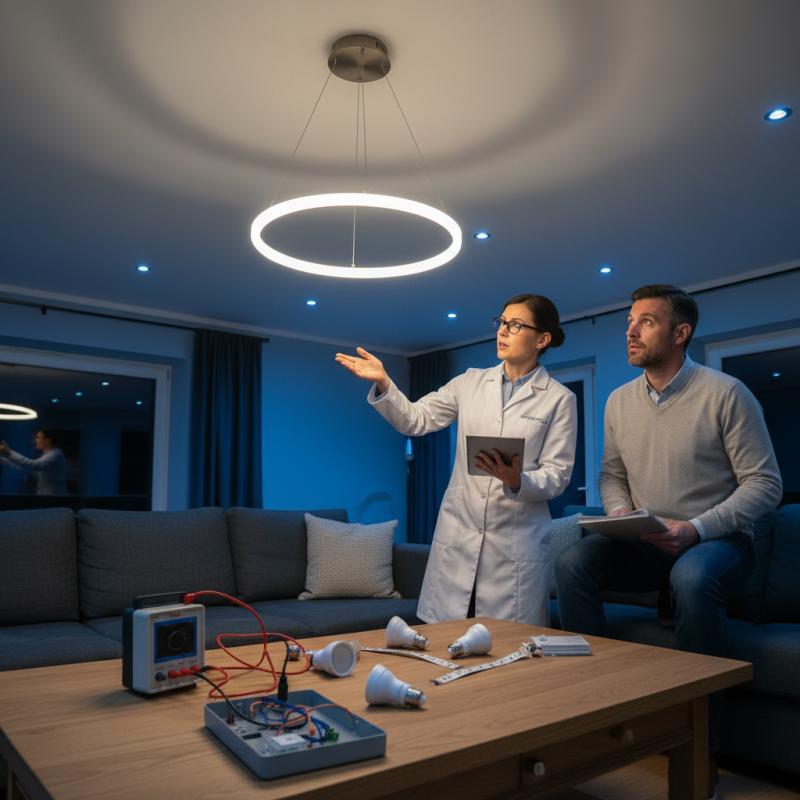
LED light flickering can be a frustrating issue, often attributed to common causes that can be addressed with proper understanding. One primary reason for this flickering is incompatible dimmer switches. According to the U.S. Department of Energy, outdated dimmers are not always designed for LED technology, which can lead to inconsistent performance. Over 50% of homeowners may experience this problem when using traditional dimmers with LED bulbs.
Wiring issues can also contribute to flickering. Poor connections, loose wiring, or outdated electrical systems can affect light consistency. A report from the National Fire Protection Association highlights that improper wiring is a significant cause of electrical hazards. This underscores the importance of ensuring that all electrical connections are secure and up to code.
Thermal issues may cause LED lights to behave unexpectedly. Overheating from inadequate ventilation leads to flickering as well. This suggests the importance of selecting fixtures that allow for proper heat dissipation. Additionally, fluctuations in voltage can worsen the flicker. The Electrical Safety Foundation International notes that voltage variations, often caused by heavy appliances on the same circuit, can lead to noticeable light flicker. Addressing these common causes can significantly enhance the performance of LED lights and create a more stable lighting environment.
| Cause | Description | Solution |
|---|---|---|
| Incompatible Dimmer Switch | Not all dimmer switches are designed for LED lights, which can cause flickering. | Replace the dimmer with an LED-compatible one. |
| Voltage Fluctuations | Changes in voltage levels can affect light stability. | Consult an electrician to stabilize voltage input. |
| Loose Wiring | Poor electrical connections can cause intermittent flickering. | Check and secure all wiring connections. |
| Overloading Circuit | Too many devices on one circuit can lead to power issues. | Redistribute load across different circuits. |
| LED Driver Issues | Faulty or low-quality LED drivers can cause flickering. | Replace with a high-quality LED driver. |
| Inconsistent Bulb Quality | Inexpensive or poor-quality bulbs may flicker. | Invest in reputable LED brands. |
| Temperature Effects | High temperatures can affect bulb performance. | Ensure proper ventilation and temperature control. |
| Flickering During Startup | LEDs may flicker briefly when first turned on. | This is often normal; monitor if it persists. |
| Old Housing | Older fixtures may not accommodate LEDs well. | Consider upgrading the fixture to one made for LEDs. |
: Dimming switches can greatly influence LED light quality. Incompatibility can lead to flickering or uneven brightness.
Choose LED-rated dimmers. They optimize performance and reduce issues like flickering.
Yes, using a mismatched dimmer can still lead to flickering and unexpected behavior with LED bulbs.
Flickering can happen due to bulb incompatibility or because the dimmer is not suitable for newer LED technology.
Experiment with different bulb brands and models. This may help find a combination that works effectively together.
Loose wiring connections can cause voltage fluctuations, leading to changes in brightness or flickering.
Hiring a qualified electrician can prevent issues and ensure that everything is installed correctly for optimal performance.
Yes, always check wattage compatibility. It can prevent potential performance issues and save you time in the long run.
Keep a record of your findings on bulb and dimmer compatibility. This will help when making adjustments later.
No, not all LED bulbs perform similarly when dimmed. Some may flicker despite using the right dimmer.
LED lights flickering is a common issue that can arise from various factors. One primary reason is the incompatibility of dimming switches, which may not be designed to work with LED technology, leading to unstable performance. Additionally, electrical issues such as fluctuating voltage or poor connections can exacerbate flickering, causing frustration for users. It's essential to understand these causes to effectively address the problem and prevent it from recurring.
Another significant factor contributing to why are LED lights flickering is the use of incompatible bulbs. Not all LED bulbs are designed to function with every type of fixture or dimmer switch, which can lead to inconsistent lighting. To troubleshoot flickering, it's advisable to check the compatibility of the bulbs and switches, inspect the electrical wiring for faults, and consider seeking professional assistance if needed. By following these solutions and prevention tips, one can enjoy a flicker-free LED lighting experience.

 VELORIQ Lighting