How to Make Indoor Lighting Brighter for Better Ambiance

Time:2026-06-10 Author:Henry
0%

Indoor lighting plays a crucial role in shaping our living spaces. According to a report by the Illuminating Engineering Society, proper lighting can enhance mood and productivity by up to 15%. In today's world, where remote work has surged, understanding how to make indoor lighting brighter is essential for creating an inviting atmosphere at home.

Natural light is often limited indoors. Research indicates that artificial lighting impacts our well-being significantly. Up to 40% of individuals report feeling more energized in well-lit spaces. Bright indoor lighting can reduce eye strain and elevate energy levels. Implementing the right strategies can transform your environment, making it brighter and more vibrant.

Yet, many overlook the importance of lighting design. A poorly lit room may leave one feeling lethargic or uninspired. Reflecting on your current lighting setup can help identify areas for improvement. Exploring practical methods can lead to a brighter, more stimulating indoor ambiance. Here, we delve into effective strategies that illuminate your space and enhance your life.
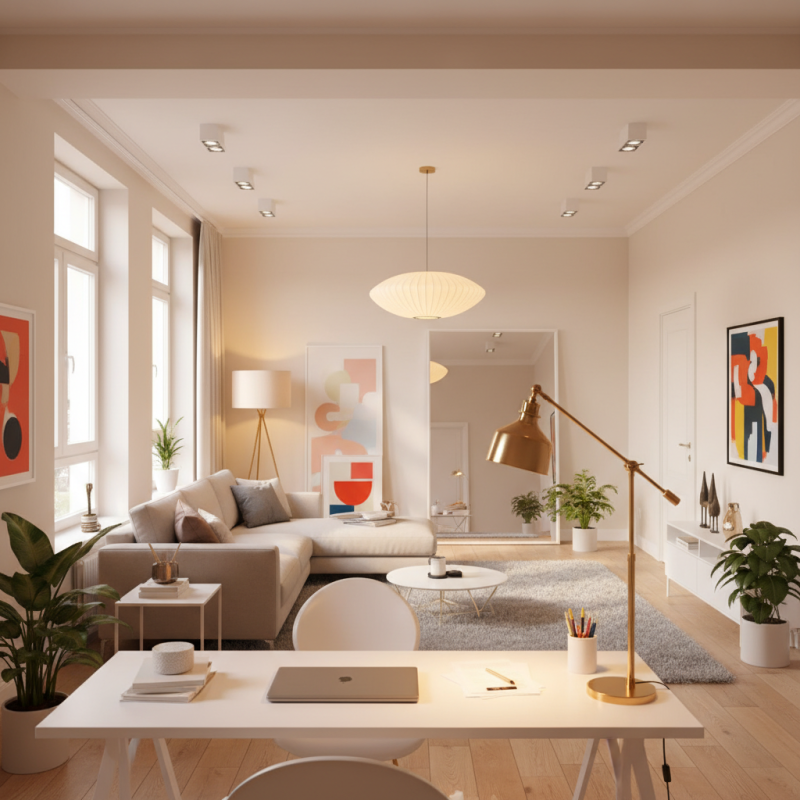
How to Make Indoor Lighting Brighter for Better Ambiance

Understanding the Importance of Indoor Lighting for Ambiance Enhancement

Indoor lighting plays a crucial role in setting the right ambiance within a space. According to the American Society of Interior Designers, about 90% of our daily activities are influenced by lighting. Proper lighting can enhance moods, boost productivity, and even affect our overall well-being. Yet, many people underestimate how many layers and types of light are necessary.

Bright indoor lighting can improve comfort. Soft white bulbs create warmth, while bright white or daylight bulbs enhance alertness. A study by the Lighting Research Center shows that well-lit spaces can increase focus and work performance by up to 25%. However, improper lighting can lead to eye strain and fatigue. Balancing brightness levels in various rooms is essential.

In areas like the kitchen, brighter lights encourage cooking and cleaning. Meanwhile, a warm glow in living spaces can foster relaxation. However, achieving this balance often requires trial and error. Some may find their lighting too harsh or overly dim. Taking time to adjust light fixtures or try different bulb types can optimize ambiance effectively. Reflecting on these aspects leads to a more intentional approach to indoor lighting.

Types of Artificial Lighting and Their Effects on Room Atmosphere

When considering indoor lighting, the type of artificial light you choose greatly influences the room atmosphere. Warm white lighting creates a cozy, inviting environment. This is ideal for spaces meant for relaxation, like bedrooms or living areas. On the other hand, cool white or daylight bulbs lend an energizing feel. They can be perfect for workspaces or kitchens, promoting alertness and focus.

Different artificial lighting types affect mood significantly. For example, recessed lighting provides a clean, modern look and adds elegance to any space. However, it can sometimes feel harsh if not balanced with softer light sources. Floor lamps, with their soft glow, can create a welcoming nook, but they may not offer enough illumination for larger rooms. Always consider layering your lighting—combine ambient, task, and accent lighting to achieve the best effect.

Reflecting on your indoor lighting choices can lead to a more satisfying atmosphere. Are your rooms too dim or overly bright? Adjusting your light fixtures can make all the difference. Remember, light isn't just functional; it's a vital aspect of your space's character.

Types of Artificial Lighting and Their Effects on Room Atmosphere

Maximizing Natural Light: Tips for Brighter Indoor Spaces

Maximizing natural light in your home can transform your indoor spaces dramatically. Start by assessing your windows. Clean them regularly to allow more sunlight in. Consider using sheer curtains instead of heavy drapes. Sheer fabrics diffuse light beautifully without blocking it. Reflective surfaces can amplify this effect. Mirrors strategically placed on opposite walls will bounce light throughout the room.

Plants are a great addition when maximizing natural light. They not only purify the air but also add life to your space. Place them near windows. Choose varieties that thrive in bright light. However, remember that not all homes receive abundant sunlight. If yours falls short, think about light tubes or skylights for extra daylight. It’s essential to evaluate the balance between artificial and natural lighting as well. Sometimes, harsh overhead lights can overshadow the warmth of sunlight.

Choosing the right colors is key as well. Light-colored walls reflect natural light better than darker hues. You might find that white or soft pastels create a brighter ambiance. But don't overlook imperfections—some textures can enhance depth and visual interest. Experiment with different textures to find what resonates. Remember, achieving the perfect balance may take time and adjustments.

Choosing the Right Color Temperature for Ideal Indoor Lighting

Choosing the right color temperature is essential for creating an inviting indoor environment. Color temperature is measured in Kelvin (K) and ranges from warm (below 3000K) to cool (above 5000K). A warm light enhances relaxation, ideal for living rooms or bedrooms. Cooler lights, with a higher temperature, promote alertness, suitable for workspaces.

According to the Lighting Research Center, light temperature significantly impacts mood and productivity. Warm lighting can boost comfort, making spaces feel cozier. In contrast, cooler lighting fosters concentration, essential for tasks requiring focus. Research indicates that about 60% of respondents prefer warm light for relaxation, while 70% prefer cooler tones for working scenarios.

Choosing a balanced color temperature can be challenging. Some may find the brightness uncomfortable or harsh. It's important to consider personal preferences and the intended use of each room. Experimenting with different bulbs can help find the ideal setting. This process can take time but can significantly enhance indoor ambiance.

Layering Light: Combining Ambient, Task, and Accent Lighting for Balance

Creating a comfortable and inviting indoor atmosphere involves careful lighting choices. Layering light is essential for achieving the right balance. Ambient lighting serves as the primary light source, creating a general glow in the room. Task lighting focuses on specific areas, such as desks or reading nooks. Accent lighting adds depth and interest by highlighting art or architectural features.

A study conducted by the American Lighting Association indicates that layered lighting can reduce eye strain and improve productivity. Using a mix of these lighting types enhances both functionality and aesthetic appeal. Rooms without proper layering can feel flat or overly bright. Finding the right combination takes experimentation and reflection.

**Tips:** Consider using dimmable fixtures to adjust brightness. Utilize light-colored lampshades to diffuse light evenly. Don’t forget to assess your space at different times of day; daylight affects indoor lighting perception greatly. Achieving balance may require feedback from friends or family. Your ideal setup may not be perfect at first; be open to adjustments.

How to Make Indoor Lighting Brighter for Better Ambiance

Lighting Type Purpose Recommended Fixtures Best Bulb Types Ideal Placement
Ambient Lighting General illumination Ceiling fixtures, chandeliers LED, CFL Ceiling center
Task Lighting Focused on specific activities Desk lamps, under-cabinet lights Halogen, LED Over workspaces
Accent Lighting Highlighting features Spotlights, wall sconces LED, incandescent Focal points and art

FAQS

: How can I maximize natural light in my home?

: Start by cleaning your windows regularly. Use sheer curtains instead of heavy drapes to let more light in.

What role do plants play in natural lighting?

Plants not only purify air but also enhance your space. Place them near windows for optimal light exposure.

What should I consider if my home lacks natural sunlight?

Consider installing light tubes or skylights for extra daylight. Balance artificial and natural lighting for best results.

How do wall colors affect natural light?

Light-colored walls reflect natural light better than dark hues. White or soft pastels can create a brighter ambiance.

How does color temperature impact indoor lighting?

Color temperature ranges from warm to cool. Warm light enhances relaxation, while cool light promotes alertness and focus.

What is the importance of layered lighting?

Layering lighting combines ambient, task, and accent sources. This approach reduces eye strain and improves overall comfort.

Can light bulbs influence mood?

Yes, different light bulbs can affect mood. Experimenting with various color temperatures can help find the best fit.

How can I adjust my indoor lighting throughout the day?

Assess your lighting at different times. Dimmable fixtures can adjust brightness and maintain comfort as lighting changes.

Why is it essential to experiment with lighting setups?

Finding the right combination of light types takes time. Be open to feedback and adjustments for an inviting atmosphere.

What imperfections should I consider in my lighting design?

Some textures can add depth and interest. Embracing imperfections might enhance visual appeal in your space.

Conclusion

Creating a well-lit indoor environment is essential for enhancing ambiance and promoting a positive atmosphere. Understanding the importance of indoor lighting can significantly transform a space, and this involves exploring various types of artificial lighting, such as ambient, task, and accent lighting, each contributing differently to the room's atmosphere. Additionally, maximizing natural light is a critical aspect; simple changes like using mirrors or light-colored curtains can greatly increase perceived brightness.

To achieve the ideal indoor lighting, it's crucial to choose the right color temperature that suits the purpose of each space. Warmer tones may foster relaxation in living areas, while cooler tones can enhance focus in workspaces. Lastly, layering different lighting types ensures a balanced and inviting atmosphere. By following these principles, anyone can learn how to make indoor lighting brighter, creating an enjoyable and functional environment in their home.

Henry

Henry

Henry is a dedicated marketing professional with a profound expertise in the company's offerings. With years of experience in the industry, he possesses an impressive understanding of the market dynamics and consumer behaviors that drive success. Henry is committed to sharing his insights through......