In recent years, LED lights have become ubiquitous in homes and offices. Their energy efficiency and longevity make them a popular choice. However, a crucial question arises: are LED lights safe for eyes? Understanding the effects of LED lighting on eye health is essential, especially for those who spend long hours under artificial lights.
Research shows mixed results regarding LED lights and eye safety. Some studies indicate that excessive exposure may cause discomfort or strain. Others suggest that the blue light emitted can disrupt sleep patterns. These factors raise valid concerns about daily LED use.
Experts in optometry often emphasize the importance of balanced lighting. While LED lights are generally safe, mindful usage is advised. It’s essential to take breaks and adjust lighting levels to reduce potential harm. Reflecting on personal experiences can help individuals assess their comfort levels with LED technology.
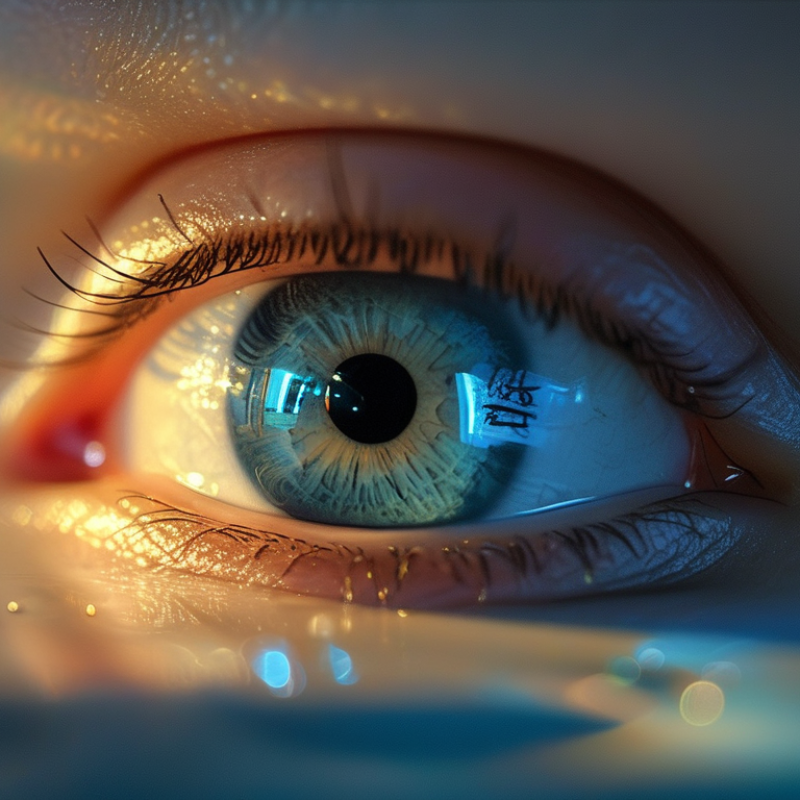
LED lights have become ubiquitous in daily life. They are found in homes, offices, and even streetlights. Their energy efficiency and long lifespan make them a popular choice. People enjoy their bright and pleasant illumination. However, concerns about their impact on eye health emerge as their use grows.
Many individuals may experience eye strain after prolonged exposure to LED lights. The blue light emitted can potentially disrupt sleep patterns. It is essential to take breaks and use them mindfully to protect your eyes.
Tips:
LED lights have become a staple in our daily lives. They are bright and energy-efficient. However, concerns about their impact on eye health are growing. Understanding how LED lights emit light can help us navigate these concerns.
LED lights produce light through a process called electroluminescence. This process generates a spectrum that includes blue light. Blue light has a short wavelength. It can contribute to eye strain and discomfort, especially with prolonged exposure. Many people stare at screens for hours. This can lead to fatigue and irritation in the eyes.
Tips: Take regular breaks from screens. Follow the 20-20-20 rule. Every 20 minutes, look at something 20 feet away for 20 seconds. Consider using screens that filter blue light. Adjusting brightness can also help reduce glare.
While LED lights are generally safe, it’s important to use them wisely. Some may notice sensitivity to bright LED lights. This can indicate a need to limit exposure. Understanding the spectrum of LED lights is beneficial. It allows us to make informed choices for healthier vision. Always pay attention to how your eyes feel when using these lights.
| Type of Light | Wavelength (nm) | Color | Potential Eye Impact |
|---|---|---|---|
| Traditional Incandescent | 400 - 700 | Warm White | Minimal risk to eyes |
| Compact Fluorescent (CFL) | 400 - 650 | Cool White | Moderate risk with prolonged exposure |
| LED Light | 450 - 470 | Blue/White | High risk of blue light exposure |
| Halogen | 300 - 700 | Bright White | Low risk, similar to incandescent |
LED lights have become a common part of our daily lives. From home lighting to screens, they are everywhere. However, the impact of LED light exposure on eye health raises important questions. Research suggests that prolonged exposure to LED lights might contribute to digital eye strain. Symptoms include dryness, discomfort, and blurred vision. Such effects can be troubling, especially for those who spend long hours in front of screens.
The blue light emitted by LEDs is often highlighted in studies. Compared to traditional bulbs, LEDs produce more blue light. This type of light can disrupt sleep patterns and may cause retinal damage over time. Some experts warn that excessive exposure to blue light may accelerate age-related macular degeneration.
Yet, it’s crucial to interpret these findings carefully. Not everyone will experience adverse effects. Individual responses can vary based on usage and sensitivity. Taking regular breaks and adjusting screen settings can help. Wearing blue light-blocking glasses is another option, though more research is needed to confirm their effectiveness. Balancing LED usage with preventive measures may improve eye comfort for many.
LED lights have gained popularity for their energy efficiency and long lifespan. However, concerns about their impact on eye health remain. A study published by the American Optometric Association noted that prolonged exposure to certain types of LED lighting can cause digital eye strain. Symptoms may include dryness, irritation, and discomfort.
In comparison to incandescent and fluorescent lights, LED lights emit more blue light. This blue light has a shorter wavelength and higher energy, which can be more harmful to the eyes over time. According to the National Institutes of Health, blue light exposure may contribute to conditions like macular degeneration. While some studies suggest that LED lighting is safe for general use, it is crucial to consider the duration and intensity of exposure.
More research is needed to fully understand the long-term effects of LED lighting on eye health. Users must reflect on their daily interactions with these lights. Utilizing dimmer switches or blue light filters may help mitigate potential risks. It's important to practice good lighting habits in work and home environments to ensure eye comfort and safety.
LED lights have become commonplace in our daily lives. Their energy efficiency and longevity are significant benefits. However, concerns about their safety for eye health have emerged. Studies show that prolonged exposure to LED light can cause discomfort, especially in low-light conditions. The American Medical Association states that blue light emitted by LEDs can contribute to digital eye strain.
To ensure the safe use of LED lights, consider these recommendations. Limit screen time, especially at night. Use blue light filters on devices, which can reduce glare. Keep ambient lighting soft and warm to minimize harsh contrasts. Regular breaks from screens can provide significant relief.
Mind your distance from direct exposure. Place LED bulbs in fixtures that direct light away from your eyes. The distance between the light source and your line of sight matters. Be cautious of high-intensity LEDs used in some decorative lighting. Listening to your body is crucial. If your eyes feel strained, reassess your lighting setup. These small adjustments can lead to a more comfortable daily experience with LED lighting.
: LED lights are used in homes, offices, and streetlights due to their energy efficiency and brightness.
Yes, prolonged exposure may cause eye strain and discomfort, especially from blue light emissions.
Take breaks, adjust brightness, and consider using blue light filters on devices.
Every 20 minutes, look at something 20 feet away for 20 seconds to relieve eye strain.
Keep ambient lighting soft, direct light away from eyes, and maintain a comfortable distance.
Limit exposure at night and use warm light for relaxation to help minimize sleep disruption.
Blue light has a short wavelength that can disrupt sleep patterns and cause digital eye strain.
Adjust brightness levels and regularly check how your eyes feel during use, making changes as needed.
Yes, if you feel strain or discomfort, reassess your lighting setup and make necessary adjustments.
Fatigue, irritation, and discomfort during long exposure may indicate sensitivity to bright LED lights.
The question "are LED lights safe for eyes" has gained attention as these energy-efficient lighting options become increasingly prevalent in daily life. LED lights work by emitting light through a process that includes a spectrum of wavelengths, which can have varying effects on eye health. Studies suggest that prolonged exposure to blue light emitted by LEDs may contribute to digital eye strain and discomfort, raising concerns for individuals frequently using screens in proximity to LED lighting.
When comparing LED lights with other traditional lighting options, such as incandescent or fluorescent bulbs, it's essential to consider their overall impact on eye safety. While LED lights may pose certain risks, practical recommendations, including moderated usage and appropriate screen settings, can help mitigate potential harm. Adopting safe practices can ensure that the benefits of LED lighting can be enjoyed without compromising eye health.

VELORIQ Lighting