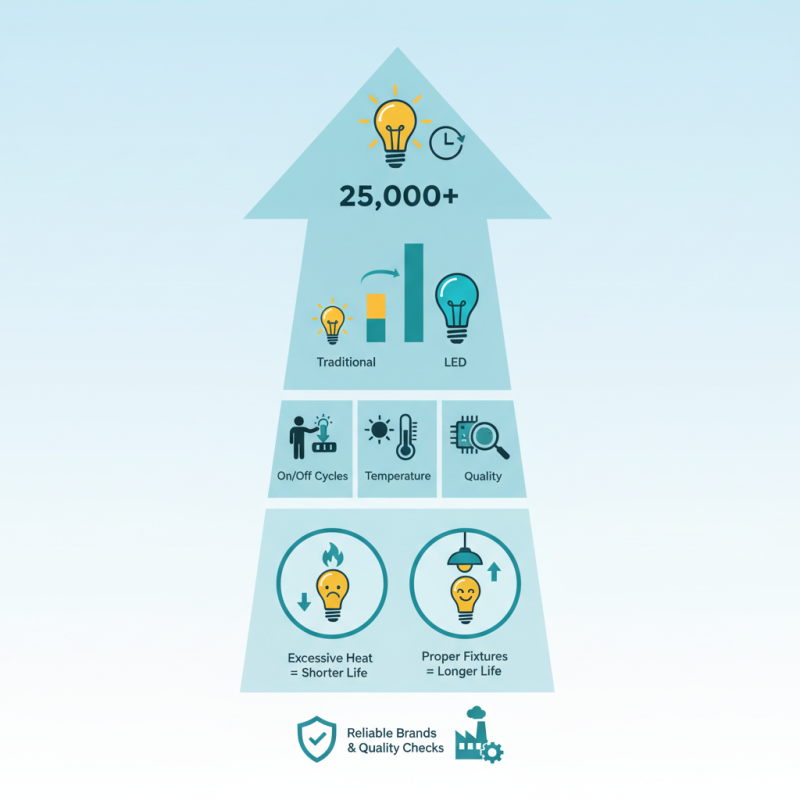
LED lights have revolutionized the lighting industry, transforming how we illuminate our spaces. A key question arises: "how long do LED lights last?" According to a report by the Department of Energy, LED lights can last over 25,000 hours, significantly longer than traditional incandescent bulbs. However, this lifespan can vary based on several factors, including usage, temperature, and quality.
Dr. Emily Carter, a leading expert in lighting technology, emphasizes, "The true lifespan of LED lights depends not only on the technology but also on the conditions in which they operate." This highlights the importance of understanding operational environments. For instance, excessive heat can shorten their life, while proper fixtures can enhance longevity.
While many consumers expect LEDs to perform flawlessly, variations in manufacturing quality can lead to unexpected failures. It's crucial to choose reliable brands that adhere to industry standards. Even with their impressive lifespan, continual quality checks and improvements are necessary in the LED industry for sustainable performance.
Understanding the Basics of LED Light Lifespan
LED lights are known for their efficiency and longevity, but many factors can influence their lifespan. Typically, LED lights can last anywhere from 15,000 to 50,000 hours. This range is significantly longer than traditional bulbs. However, don’t assume all LEDs will last this long. Heat management is crucial. Excessive heat can damage the components and reduce their operational life.
Another significant factor is the quality of materials used. Cheaper models may use inferior components, which can shorten their lifespan. Voltage fluctuations also play a role; too much or too little voltage can lead to early failure. Proper installation matters as well. A poorly installed LED may experience issues that could affect its longevity.
Even with the best practices, performance can vary. Users might notice lights dimming over time, a common issue with LEDs. It’s essential to monitor your lighting and be prepared for change. Understanding these elements can help in selecting the right LED lights for your needs, ensuring you get the most out of your investment.
Factors Influencing the Longevity of LED Lights
LED lights are renowned for their longevity, but various factors can influence how long they last. Heat is a critical element. High temperatures can diminish LED performance and lifespan. Ensuring proper ventilation and heat dissipation can significantly enhance their durability. Inadequate heat management often leads to premature failure.
Additionally, the quality of the components used in the manufacturing process plays a role. Poor-quality materials can result in diminished lifespan. Research indicates that components like capacitors and diodes must meet certain standards for optimal performance. The relationship between the electric current and LED brightness also impacts longevity. Using higher brightness settings continuously can strain the LEDs, leading to quicker degradation.
Another factor is the environment in which the LEDs are installed. Humidity and exposure to elements can cause wear over time. Using them in outdoor settings without proper housing can be risky. Regular maintenance and cleaning can help mitigate these factors. The cumulative effects of these influences often require users to be proactive in monitoring their lighting solutions.
How Long Do LED Lights Last and What Affects Their Lifespan? - Factors Influencing the Longevity of LED Lights
| Factor |
Description |
Impact on Lifespan (Years) |
| Operating Temperature |
LEDs operate best in cool conditions; excessive heat can shorten lifespan. |
1-4 years |
| Electrical Voltage |
Fluctuations in voltage can negatively affect LED performance and longevity. |
2-5 years |
| Quality of Components |
Poor quality materials can lead to faster degradation and failure. |
3-7 years |
| Usage Pattern |
Frequent on-off cycles can reduce lifespan due to thermal stress. |
1-3 years |
| Humidity Levels |
High humidity can lead to corrosion and other issues affecting performance. |
2-4 years |
| Heat Sink Quality |
Better heat dissipation prolongs LED lifespan by preventing overheating. |
3-6 years |
Comparison of LED Lifespan with Other Light Sources
LED lights are rapidly gaining popularity due to their longevity compared to traditional light sources. On average, an LED light can last up to 25,000 to 50,000 hours. In contrast, incandescent bulbs typically last around 1,000 hours, while compact fluorescent lamps (CFLs) last about 8,000 to 15,000 hours. This data reveals a significant advantage for LEDs, making them a cost-effective choice long term.
Various factors influence the lifespan of LED lights. Heat generation is a major issue; excessive heat can reduce longevity. Other critical aspects include the quality of materials used in manufacturing and the frequency of on-off cycles. Reports indicate that high-quality LEDs may further exceed the average lifespan, achieving over 60,000 hours with proper heat management. However, consumers often overlook these details when making purchases.
Despite their advantages, LEDs may not always be the best fit. If used in environments with poor ventilation, their performance may degrade faster. Moreover, price points can be a barrier for some. While the initial investment might be higher, understanding their extended lifespan can lead to lower costs over time. Balancing these factors is essential for maximizing the benefits of LED technology.
Impact of Usage Conditions on LED Performance
LED lights are known for their longevity, but usage conditions play a significant role in their performance. Heat is one of the main factors that influence LED lifespan. High temperatures can reduce efficiency and shorten bulb life. Placing an LED light in enclosed spaces without proper ventilation often leads to overheating issues.
Another factor is the usage frequency. Frequent on-off cycles can wear out LED lights quicker than steady usage. For instance, if you use an LED in a space that requires frequent switching, like a hallway, expect a reduced lifespan. On the other hand, leaving LED lights on for long periods in minimal use can help prolong their usability.
Additionally, the quality of power supply has its effect. Fluctuations in voltage or poor-quality electrical systems can lead to premature failure. Inconsistent power may cause the LED to flicker or buzz, signaling potential damage. Keeping these factors in mind helps ensure that LEDs perform at their best for as long as possible.
Maintenance Tips to Extend LED Light Lifespan
Regular maintenance is crucial for maximizing the lifespan of LED lights. Dust and dirt can accumulate on the surface, reducing light output. Cleaning the fixtures every few months helps maintain brightness. Use a soft, dry cloth for cleaning. Avoid harsh chemicals that could damage the LED components.
Another key factor is the operating temperature. LEDs perform best when they are kept cool. Overheating can shorten their lifespan significantly. Ensure proper ventilation in enclosed fixtures. If possible, choose fixtures designed to dissipate heat efficiently.
Lastly, pay attention to the power supply. Fluctuations in voltage can impact performance. Use stable and compatible drivers. Regularly check for any signs of wear or damage. This proactive approach can lead to better longevity and consistent performance.
Conclusion
LED lights are renowned for their impressive longevity, often outlasting traditional lighting options. When exploring the question of "how long do LED lights last," it is essential to consider various factors that influence their lifespan. These include the quality of the materials used, operating temperature, and the electrical conditions under which they function. Additionally, LED lights typically have a lifespan of 15,000 to 50,000 hours, significantly longer than incandescent and fluorescent bulbs.
However, usage conditions play a crucial role in LED performance. Extreme temperatures and poor ventilation can adversely affect their longevity. To maximize the lifespan of LED lights, implementing proper maintenance practices such as ensuring adequate cooling and avoiding frequent on-off cycling can be beneficial. By understanding these aspects, consumers can enjoy the reliability and efficiency of LED lighting for many years.

 VELORIQ Lighting