Why Are LED Lights Flickering How to Fix It in 2026?

Time:2026-10-01 Author:Henry
0%

Why are LED lights flickering? The answer often begins with the driver, not the LED chip. An unstable dimmer, loose connection, overloaded circuit, or incompatible power supply can make a lamp pulse like a weak heartbeat. Some flicker appears obvious. Some happens too quickly for conscious vision, yet may still cause discomfort, headaches, or camera banding.

The U.S. Department of Energy has identified LED driver performance and dimmer compatibility as important factors in solid-state lighting quality. Its flicker research also explains that light output can change rapidly during each electrical cycle. The IEEE 1789-2015 recommended practice provides guidance for reducing health risks linked with temporal light modulation. Meanwhile, the Pacific Northwest National Laboratory has published measurement methods for evaluating LED flicker beyond simple visual inspection.

Michael Poplawski, a lighting researcher at PNNL, has emphasized that “flicker is a temporal modulation of light output.” That definition sounds technical. It is also practical. A phone camera may reveal dark bands across a ceiling lamp, even when your eyes see steady light. Replacing the bulb may solve the problem, but not always. The real fault could be the dimmer, wiring, or driver.

This guide examines why are led lights flickering, how to test the cause safely, and which repairs deserve professional inspection. It also questions a common assumption: “LEDs always save energy and work everywhere.” Usually, they do. Not automatically.
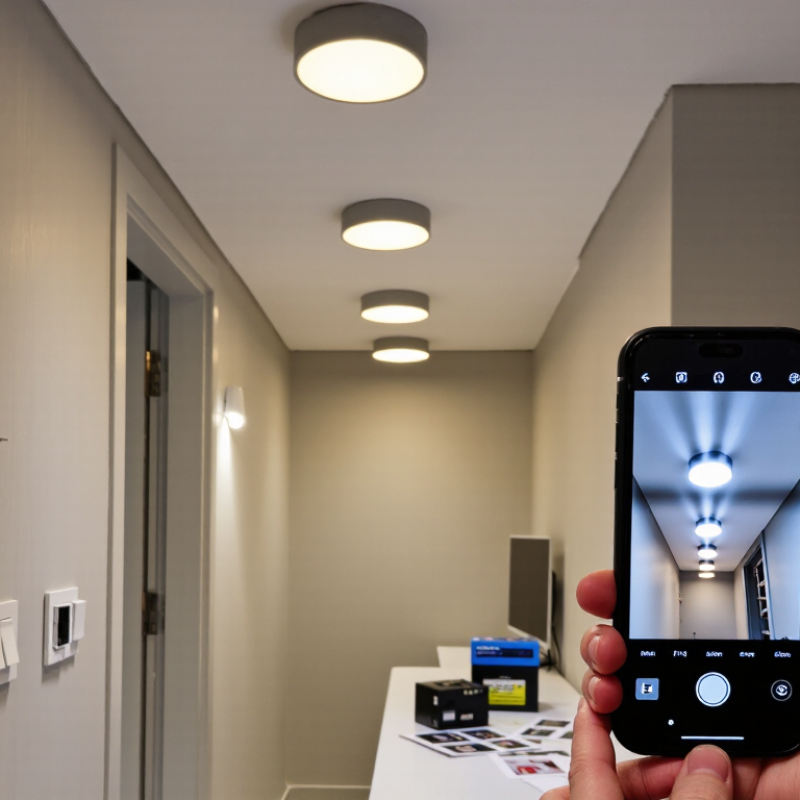
Why Are LED Lights Flickering How to Fix It in 2026?

What LED Flickering Is and Why It Happens

LED flickering is a repeated change in brightness that may appear as shimmering, pulsing, or brief flashes. It is not always obvious to the naked eye. Some people notice headaches or eye strain, while others see nothing unusual.

The light may flicker because alternating current is not being converted smoothly. Low-quality drivers, aging capacitors, loose wiring, and unstable voltage can all contribute. A dimmer switch may also conflict with an LED lamp, even when both products seem functional. Pulse-width modulation can create intentional flicker by switching the light rapidly. A camera may reveal dark bands that your eyes miss. That result does not always prove a dangerous fault.

A practical check starts with another compatible lamp in the same fitting. If the problem follows the lamp, its internal driver may be failing. If several lamps flicker, inspect the dimmer, connections, and circuit load. Turn off power before touching any wiring. A qualified electrician should examine persistent flicker, burning smells, buzzing, or heat around the fitting. Do not ignore it.

I once assumed the lamp was always responsible. That assumption can be wrong. The real cause may sit behind the wall or inside an unsuitable control switch. Replacing parts without testing can waste money and hide a wiring problem. Even a small pulse deserves attention when it continues.

The Main Causes of Flickering in LED Lights

LED lights can flicker for several different reasons, and the visible symptom is often misleading. I have seen a lamp flicker because of a loose wire, not a defective LED. Poor connections create tiny interruptions, especially near ceiling fixtures or wall switches. Turn off the circuit before checking anything. Do not guess.

An incompatible dimmer is another common cause. Some LED lamps need dimmers designed for low-wattage electronic loads. Older dimmers may produce pulsing, buzzing, or a narrow brightness range. Voltage changes can also affect LEDs. Large appliances starting nearby may briefly reduce supply voltage, while overloaded circuits can create unstable performance. A failing LED driver may cause regular flashing, even when the wiring appears secure.

Heat matters too. An enclosed fixture can trap heat and shorten the driver’s life. Loose neutral connections, faulty smart switches, and timer controls may create intermittent flicker. In some cases, the light is steady to the eye but appears to pulse through a phone camera. That effect may come from the driver’s power design, not household wiring. I once blamed the fixture too quickly; testing the circuit revealed a control problem instead. Replacing parts without testing wastes money. If flicker continues after changing the control device, ask a qualified electrician to measure voltage, inspect connections, and verify compatibility. DIY repairs can become unsafe when live wiring is involved.

How to Identify the Source of an LED Flicker

LED flicker is easier to fix when you locate its source. Start with the lamp, not your assumptions.

Record when it happens: after switching on, during dimming, or when a motor starts nearby. A slow pulse often points to control incompatibility. A rapid shimmer may come from poor current regulation.

Your phone camera can reveal dark bands, but it is only a screening tool. Human eyes may miss flicker that a camera catches. The CIE Technical Note 006:2016 warns that percentage flicker alone cannot describe every visual or health effect.

Turn off power before inspection. Check loose terminals, heat-darkened sockets, and overloaded dimmer circuits. If several lamps flicker together, test the circuit, neutral connection, and nearby appliances.

If one lamp flickers, swap it with a verified compatible unit. This narrows the fault quickly. A light meter or flicker meter gives stronger evidence than eyesight.

IEEE 1789-2015 offers frequency-based limits; at 90 Hz, its low-risk modulation reference is about 7.2%. That is guidance, not a guarantee.

Sensitive users may still notice discomfort below it. I would not call flicker harmless without measuring frequency and modulation.

Tips:

Film the light in slow motion, then compare it with another circuit. Bypass the dimmer only for a controlled test.

Ask an electrician to check wiring. U.S. Department of Energy CALiPER testing shows that LED performance can vary widely across products.

Identical wattage does not prove identical flicker behavior. Keep the failed lamp for testing, and record the exact conditions.

Small details matter.

Step-by-Step Ways to Fix Flickering LED Lights

Why Are LED Lights Flickering? How to Fix It in 2026

Flickering LED lights often point to a poor connection, an incompatible dimmer, or unstable voltage. Start safely. Turn off the light and switch off the circuit breaker before touching any wiring. Tighten the bulb gently, then check whether the socket feels loose, darkened, or unusually warm. Replace the bulb with a compatible LED model. If the flicker stops, the original bulb may have failed. In my experience, testing one change at a time prevents confusing results.

If flickering continues, inspect the wall switch and dimmer for compatibility. Older dimmers may not control newer LED loads correctly. Set the dimmer slightly above its lowest level, because some lights flutter near zero brightness. Check nearby lights too. If several fixtures flicker together, the problem may involve a loose neutral wire, overloaded circuit, or inconsistent household voltage. Do not open the electrical panel unless you are qualified. An electrician can measure voltage and inspect connections safely.

Tips: Record when the flicker happens. Note whether appliances start at the same time. Try the light in another approved fixture. A phone camera can reveal rapid flickering that your eyes miss. Avoid ignoring heat, buzzing, burning smells, or repeated breaker trips. These signs require professional attention. I once treated a “bad bulb” as the culprit, but the loose connection was elsewhere. That mistake was expensive in time, not danger. Safety should remain the easier choice.

When to Replace the Bulb or Call an Electrician

LED flickering does not always mean the bulb is failing. I once blamed a new LED bulb, but the real problem was an old dimmer switch. Flickering can also come from a loose connection, incompatible dimmer, overloaded circuit, or unstable voltage. Notice the pattern. A bulb that flickers only when dimmed may need replacement with a compatible model. A bulb that flickers in several rooms deserves more attention.

Replace the bulb when it flickers in one fixture, feels unusually hot, or shows dark marks near its base. Turn off the switch and let the bulb cool before removing it. Check that the replacement has the correct wattage and is approved for enclosed fixtures, if necessary.

Try one known-working bulb. Simple testing helps, but it is not perfect.

Call a licensed electrician when flickering continues after a bulb change. Do this promptly if lights pulse when appliances start, switches buzz, outlets feel warm, or you smell burning plastic. Do not tighten exposed wiring or open the fixture while power is connected.

Switch off the circuit breaker, but remember that labels can be wrong. A professional can test voltage, connections, grounding, and circuit load safely. Persistent flicker may signal a wiring fault rather than a lighting problem. My first assumption was wrong, and that is why repeated guessing can become risky.

FAQS

How can I identify the source of LED flicker?

Record when flicker appears: after switching on, during dimming, or when a motor starts. Start with the lamp. Do not trust assumptions.

What does slow or rapid flicker suggest?

A slow pulse may indicate control incompatibility. Rapid shimmering can suggest poor current regulation. These clues are useful, but not conclusive.

Can a phone camera detect LED flicker?

Yes, slow-motion video may show dark bands. It is only a screening tool. Use proper measuring equipment for stronger evidence.

What should I inspect before testing a flickering light?

Turn off power before inspection. Look for loose terminals, heat-darkened sockets, and overloaded dimmer circuits. Never open live wiring.

How can I test whether the bulb is defective?

Swap it with a verified compatible bulb. If only one fixture flickers, replacement may solve the problem. Keep the failed bulb for comparison.

When should I replace the bulb?

Replace it if one fixture flickers, the bulb becomes unusually hot, or dark marks appear near its base. Let it cool first.

When should I call an electrician?

Call one when flickering continues after a bulb change. Do so promptly if switches buzz, outlets feel warm, or burning plastic smells appear.

What if several rooms flicker at once?

Check the circuit, neutral connection, nearby appliances, and voltage. Lights pulsing when an appliance starts may indicate a wiring or load problem.

Does identical wattage guarantee identical flicker performance?

No. Products with the same wattage can behave differently. My first assumption may be wrong, so measured evidence matters.

Is flicker below a recommended limit always harmless?

No. Frequency and modulation both matter. Sensitive users may notice discomfort below guidance values, so I would avoid calling it harmless without measurement.

Conclusion

LED flickering is a rapid and often unwanted change in brightness that can affect comfort, visibility, and the lifespan of a light. If you are wondering, “why are led lights flickering,” common reasons include an incompatible dimmer, a loose bulb or connection, unstable wiring, an overloaded circuit, or a problem with the LED’s internal driver. Some flicker may also be caused by normal electrical fluctuations, especially when several high-power devices share the same circuit.

To find the source, check whether the flicker affects one bulb or multiple lights, gently secure the bulb, and test it in another compatible fixture. Confirm that the dimmer and bulb are designed to work together, then inspect accessible connections only when the power is off. Replacing the bulb with a suitable, high-quality option may solve the issue. If flickering continues, becomes worse, or is accompanied by buzzing, heat, burning smells, sparks, or tripped breakers, stop using the light and contact a qualified electrician.

Henry

Henry

Henry is a dedicated marketing professional with a profound expertise in the company's offerings. With years of experience in the industry, he possesses an impressive understanding of the market dynamics and consumer behaviors that drive success. Henry is committed to sharing his insights through......