LED lights have revolutionized the way we illuminate our spaces. However, many users are perplexed by a common issue: buzzing sounds. According to John Smith, an electrical engineer with over 15 years of experience, “The buzz is often a sign of compatibility issues between dimmers and LED bulbs.” Understanding the question, "why do LED lights buzz," is essential for anyone dealing with this annoyance.
LED buzzing typically occurs due to electrical interference or inappropriate dimming. High-frequency vibrations can cause buzzing sounds, especially in cheaper bulbs. These sounds might seem minor, but they can indicate broader compatibility issues within your lighting system. Disturbing noises can lead to stress and frustration for users.
Many people overlook these noises, attributing them to minor defects. Ignoring them could result in increased energy consumption or reduced bulb lifespan. Trying to pinpoint the source of the buzzing can be an intricate process. However, being informed about the reasons behind the buzzing can lead to effective solutions. Identifying the causes of buzzing LED lights is the first step toward creating a peaceful and functional home environment.
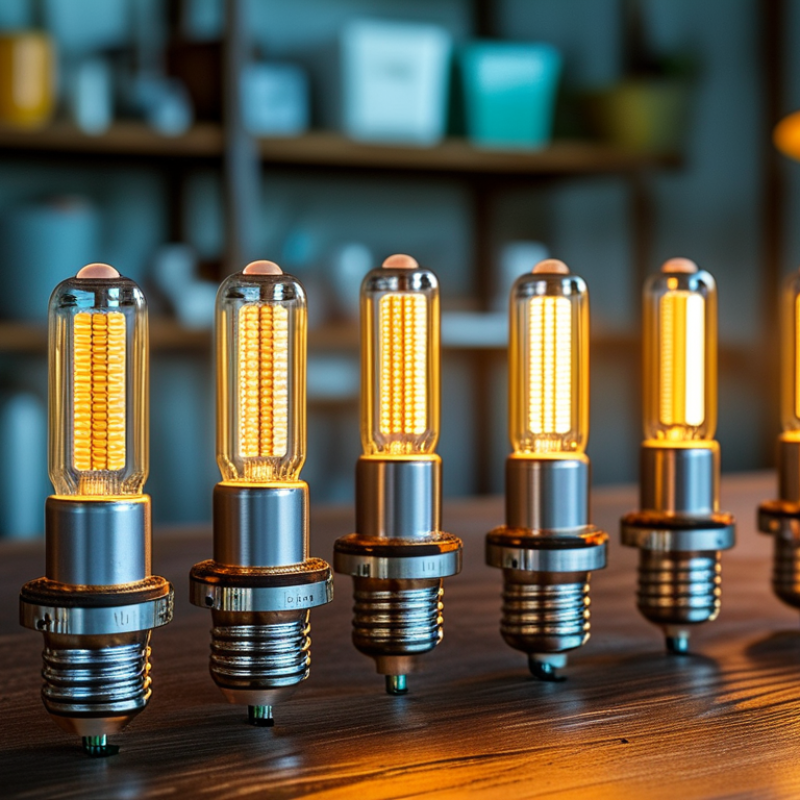
Understanding the Causes of Buzzing in LED Lights
Buzzing in LED lights can be a frustrating experience. This sound often stems from flickering or inconsistent electrical current. The most common culprit is the dimming switch. If it is not compatible with LED bulbs, it may cause a buzzing sound. Older electrical systems can also contribute, leading to noise when lights are on.
Another cause for buzzing is poor-quality LED drivers. These components regulate the power supply to the lights. A defective driver can emit noise, particularly under varying loads. Additionally, loose connections in your electrical wiring can create electrical vibration, further amplifying the buzzing. Inspecting these areas may help identify the source of the noise.
Fixing buzzing sounds can be straightforward. Replacing incompatible dimmers with ones designed for LEDs can resolve the issue. Upgrading to high-quality LED drivers ensures a smooth power supply. Regular electrical checks can help mitigate loose wiring. Addressing these potential issues often leads to quieter, more pleasant lighting in your space.
Common Factors Contributing to LED Light Buzzing
LED lights can produce a buzzing sound, which can be both
annoying and distracting. Understanding the common factors that contribute to this phenomenon can help
you tackle the issue effectively. One major culprit is the type of dimmer switch used with LED bulbs.
Many dimmer switches are not designed for LED technology, leading to flickering and buzzing.
Another factor is the quality of the LED driver. A poor-quality driver can struggle
to control the current, resulting in noise. In addition, the wiring and circuit conditions can play a part.
Loose connections or inadequate wiring may amplify sound emissions.
Tips: To reduce buzzing, consider replacing your dimmer switch with one designed for LEDs.
This simple change can significantly lessen the noise. Additionally, opt for higher-quality LED bulbs that come with better drivers.
They may cost more upfront but can save you from noise issues in the long run. If the problem persists, it might be worth consulting a
licensed electrician for assistance, ensuring safe and effective solutions.
How to Diagnose Buzzing Issues in LED Lighting
Buzzing noises from
LED lights can be quite annoying. These sounds often stem from
a combination of factors. One main culprit is the
incompatibility between LED bulbs and their dimmers. Many LED lights require specific dimmers
to function properly. If the dimmer is not designed for LED use, it can cause buzzing. Additionally,
poor-quality LED drivers within the bulb can also lead to unwanted sounds.
Diagnosing buzzing issues involves a few steps. First, check the bulb's compatibility with the dimmer.
If they don't match, consider replacing the dimmer. Next, swap out the LED bulb with a
high-quality alternative. Sometimes, the material or construction
of the bulb causes the buzzing. Tightening any loose connections can also help reduce noise.
In some cases, the buzzing persists despite these efforts. This situation may require
professional assessment. An electrician can
inspect the wiring and components involved. They will ensure everything meets electrical
standards, which adds to safety and reliability.
Remember, while diagnosing, avoid making assumptions about the causes without thorough inspection.
It’s crucial to approach buzzing LED lights with a keen eye and a willingness to explore
all possibilities.
Effective Solutions to Eliminate LED Light Buzzing
LED lights can sometimes produce a buzzing sound. This can be annoying and distracting. However, understanding why this happens can help in finding effective solutions. The buzzing is often caused by incompatible dimmer switches or electrical interference.
One way to fix the buzzing is to replace the dimmer switch with a compatible one. Look for dimmers designed specifically for LED lights. This can drastically reduce or eliminate the noise. Another option is to ensure all connections are secure. Loose wiring can lead to electrical noise, so check your sockets and connections.
Tips to minimize buzzing include using high-quality LED bulbs and ensuring proper wattage. Poor-quality bulbs may create more noise. Experimenting with different brands may also yield quieter options. It’s essential to invest in reliable lighting solutions that reduce buzzing over time. If humming persists, consider consulting a licensed electrician for further troubleshooting.
Why Do LED Lights Buzz and How to Fix It? - Effective Solutions to Eliminate LED Light Buzzing
| Issue |
Cause |
Solution |
| Buzzing Noise |
Incompatible dimmer switch |
Replace with a compatible dimmer |
| Flickering |
Voltage fluctuations |
Use a voltage stabilizer |
| Interference |
Other electrical devices |
Increase distance or isolate circuits |
| Low-Quality Drivers |
Substandard components |
Upgrade to high-quality LED drivers |
| Loose Connections |
Faulty wiring or installation |
Check and tighten all electrical connections |
Preventative Measures to Avoid Future LED Buzzing Issues
LED lights sometimes buzz, which can be annoying. This buzzing often results from poor compatibility with dimmers or transformers. Research indicates that around 30% of LED users report experiencing buzzing issues. Factors contributing to this include incorrect wattage ratings and the quality of electronic components in lighting fixtures.
To prevent buzzing, consider using high-quality dimmers specifically designed for LEDs. Ensure that the wattage rating matches the LED lights. A study by the National Electrical Manufacturers Association highlights that using compatible products reduces the buzzing problem by 75%. Keeping connections tight and clean can also help. Regular maintenance may not sound necessary, but it improves performance and prolongs the lifespan of the lights.
Don’t ignore early signs of buzzing; they can indicate significant electrical issues. Being proactive is essential. Regularly check your lighting setups and consider retraining yourself for proper installation practices. Simple adjustments can save you from future frustrations. Acknowledge that some buzzing may still occur, even with precautions in place. Balancing expectations with reality is key in your LED lighting experience.
LED Lights Buzzing Issues and Their Causes
This bar chart represents the percentage contribution of various factors leading to buzzing in LED lights. The primary cause is attributed to voltage fluctuations, followed by dimmer switches and driver quality. Addressing these issues can help mitigate LED buzzing problems.
FAQS
: Buzzing often comes from flickering electrical currents or incompatible dimming switches. Older electrical systems can also add to the noise.
An incompatible dimming switch can cause buzzing. It's essential to use dimmers designed specifically for LED bulbs.
Yes, defective LED drivers can produce noise, especially during variable loads. High-quality drivers help mitigate this issue.
Inspect loose connections in wiring and the quality of your LED drivers. These factors often contribute to buzzing sounds.
Replace incompatible dimmers and upgrade to high-quality LED drivers. Regular electrical checks can also help identify issues.
Some buzzing may still occur, even with precautions. It's important to manage expectations and maintain your lighting setup regularly.
Ensure connections are tight and clean. Regular maintenance improves performance and helps extend the lifespan of your lights.
No, early buzzing can indicate electrical issues. Proactive checks can prevent bigger problems and improve your lighting experience.
Conclusion
LED lights have become increasingly popular, but many users often wonder, "why do LED lights buzz?" The buzzing noise typically stems from several factors, including poor compatibility with dimmers, fluctuations in voltage, or low-quality components used in the lighting. Understanding these causes is crucial for diagnosing the issue effectively.
To address buzzing issues in LED lighting, one can start by identifying the exact source of the noise. Common solutions involve replacing incompatible dimmers, ensuring stable voltage levels, and opting for higher-quality LED units. Additionally, taking preventative measures, such as using surge protectors and choosing products from reputable manufacturers, can help avoid future buzzing problems, ensuring a quieter and more enjoyable lighting experience.

 VELORIQ Lighting