In recent years, many homeowners have turned to LED lights as their primary choice for lighting solutions. It's essential to explore **why are LED lights popular in modern homes**. These lights offer numerous benefits that appeal to today's environmentally conscious and cost-effective consumers. Energy efficiency is a crucial factor. LED lights consume significantly less energy compared to traditional bulbs.
Another reason for their popularity is the impressive lifespan of LEDs. They last much longer, reducing the need for frequent replacements. This longevity not only saves money but also decreases waste. However, some might find their initial cost a bit high. It's a point to consider when making a long-term investment.
The aesthetic versatility of LED lights can't be overlooked. They come in various colors and styles to match any decor. From bright whites to warm hues, there’s something for every homeowner. Still, the brightness can sometimes feel overwhelming for those seeking a softer ambiance. Overall, understanding these aspects can clarify the growing choice of LED lights in modern households.
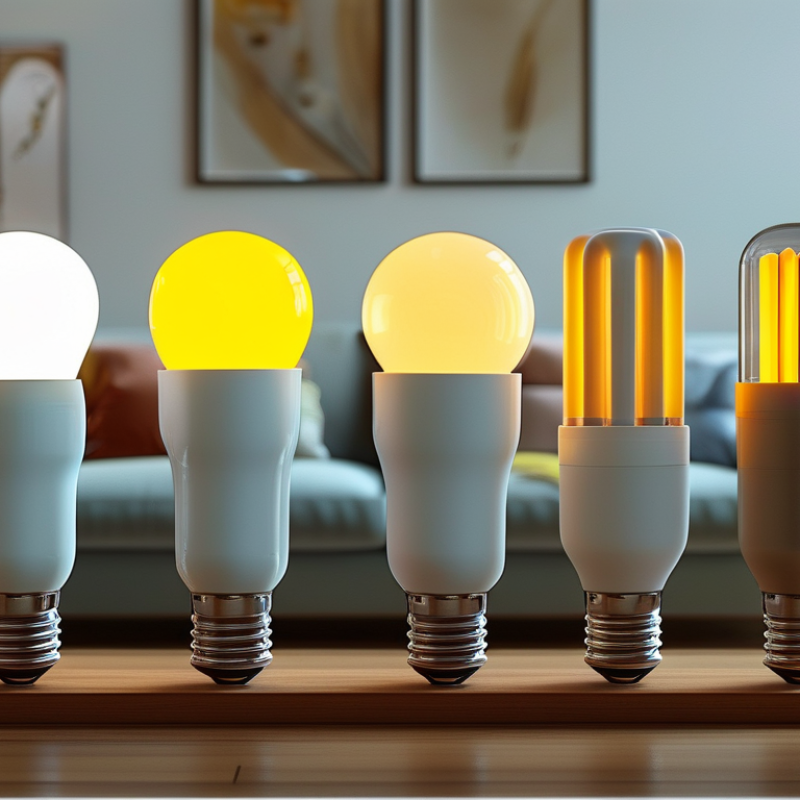
Benefits of LED Lights for Energy Efficiency in Modern Homes
LED lights are shaping the future of modern homes. Their energy efficiency is a major advantage. According to the U.S. Department of Energy, LED lights use at least 75% less energy than traditional incandescent bulbs. This reduction in energy consumption translates to lower electricity bills. Plus, LED lights last significantly longer, averaging 25,000 hours compared to just 1,000 hours for incandescents.
Tips: Consider replacing old bulbs with LEDs in high-use areas. This simple switch can lead to considerable savings. It’s important to research the right lumens for your space. Not all LEDs provide the same brightness.
In addition to cost savings, LED lights are environmentally friendly. They emit less heat than their counterparts, minimizing cooling costs in warmer months. A report from the National Renewable Energy Laboratory highlights that widespread LED use can reduce energy demand and environmental impact. While the initial investment may be higher, the long-term benefits often outweigh the costs. However, it’s essential to choose quality products to ensure safety and efficiency.
Longevity of LED Bulbs Compared to Traditional Lighting Solutions
LED lights are increasingly recognized as the best lighting option for modern homes. One compelling reason is their longevity compared to traditional bulbs. LED bulbs typically last up to 25,000 hours, while incandescent bulbs may only shine for about 1,000 hours. This prolonged lifespan reduces the frequency of replacements and the associated costs.
Using LED lights means fewer trips to the store for new bulbs. This not only saves money but also minimizes waste. Traditional lighting requires more energy, leading to higher electricity bills. In contrast, LEDs consume significantly less energy, which is beneficial for both your wallet and the environment.
Tips: Consider gradually replacing your home’s lighting with LED options. Focus on high-use areas like kitchens and living rooms first. You might notice a considerable drop in energy consumption. Pay attention to the brightness levels; they can vary widely among different LEDs. Take your time to choose bulbs that offer the best fit for your lifestyle. This thoughtful approach can lead to a sustainable, cost-effective lighting solution.
Impact of LED Lighting on Home Aesthetics and Design Flexibility
LED lighting has transformed modern home design by enhancing aesthetics and offering flexibility. These lights come in various shapes, sizes, and colors. Whether one prefers warm tones or cool whites, the choices are endless. This versatility allows homeowners to choose lights that fit their unique styles. For example, recessed lighting creates a clean look, while decorative fixtures can be bold statements.
Moreover, LED lights allow for creative arrangements. Consider layering different types of lighting in a single space. This method creates depth and interest. However, some might feel overwhelmed by the options available. It's important to plan meticulously and consider the overall ambiance desired. Balancing various light sources can be challenging. Mistakes can lead to either a stark, uninviting atmosphere or an overly cluttered look.
LEDs are energy-efficient and cost-effective, but their impact on aesthetics is profound. The right lighting can accentuate architecture and highlight decor. For instance, illuminating artwork draws the eye and adds character. Yet, some homeowners may overlook how lighting influences mood and functionality. Reflecting on this can lead to better decisions in home design, ensuring both comfort and style.
Cost Savings from Reduced Energy Consumption and Maintenance
LED lights have revolutionized home lighting, primarily due to their cost-saving benefits. According to the U.S. Department of Energy, LED lighting uses at least 75% less energy than incandescent bulbs. This significant reduction translates directly to lower electricity bills. For average households, switching to LED can result in savings of approximately $225 annually.
Maintenance costs also decline with LED technology. These lights have a lifespan of about 25,000 hours, compared to 1,000 hours for traditional bulbs. This longevity means fewer replacements and reduced labor costs for installations and changes. Some studies estimate that maintenance can account for 30% of lighting expenses in commercial settings. In homes, this figure may be lower but still warrants attention.
It's essential, however, to consider the initial investment. LED lights can be more expensive upfront. While they pay off over time, the initial cost may deter some homeowners. Awareness of this trade-off is vital for decision-making. Understanding both long-term savings and initial expenditures leads to informed choices in favor of modern lighting solutions.
Why are LED Lights the Best Choice for Modern Homes? - Cost Savings from Reduced Energy Consumption and Maintenance
| Feature |
Traditional Bulbs |
LED Bulbs |
| Lifespan |
1,000 hours |
25,000 - 50,000 hours |
| Energy Consumption |
60 watts (for 800 lumens) |
8-12 watts (for 800 lumens) |
| Annual Energy Cost (based on 3 hours/day usage) |
$15 |
$1.50 |
| Maintenance Costs (per year) |
$5 |
$0.50 |
| Heat Emission |
High |
Low |
| Environmentally Friendly |
Contains Mercury |
No Toxic Elements |
Environmental Benefits of LED Technology in Sustainable Living
LED lights have emerged as a pivotal choice for sustainable living, primarily due to their impressive environmental benefits. According to the U.S. Department of Energy, LED lighting consumes up to 75% less energy than traditional incandescent bulbs. This significant reduction in energy use translates to less demand on power plants, thereby decreasing greenhouse gas emissions. A typical home can save over $225 in energy costs annually by switching to LED lighting.
The longevity of LED bulbs also plays a crucial role in sustainability. They can last up to 25,000 hours compared to the 1,000 hours for incandescent bulbs. This durability means fewer replacements and less waste in landfills. In fact, the Environmental Protection Agency estimates that if every American home replaced one incandescent bulb with an LED, it would prevent greenhouse gases equivalent to the emissions of nearly 1 million cars.
However, transitioning to LED technology is not without challenges. Consumers often face initial costs higher than traditional lights. Some may find high-quality LED options overwhelming. Moreover, there are concerns about the disposal of LEDs due to their electronic components. Despite these issues, the overall environmental impact makes LEDs a compelling choice for modern homes committed to a sustainable future.
Energy Consumption Comparison: LED vs. Traditional Bulbs
LED lights consume significantly less energy compared to traditional incandescent and CFL bulbs, making them the best choice for modern homes aiming for sustainability.
FAQS
: LED lights consume 75% less energy than traditional bulbs, leading to lower electricity bills and reduced energy demand.
LED lights last up to 25,000 hours, while incandescent bulbs typically last only 1,000 hours.
Yes, LED lights emit less heat, which can reduce cooling costs during warmer months.
Research lumens to ensure you get the desired brightness. Not all LEDs provide the same light intensity.
LED lights come in various shapes and colors, allowing homeowners to create unique aesthetics tailored to their styles.
Switching to LEDs can significantly reduce greenhouse gas emissions, preventing impacts equivalent to nearly one million cars.
Initial costs may be higher, and some consumers might find it difficult to choose quality LED options.
Balance different light sources to avoid an uninviting atmosphere or a cluttered look; careful planning is key.
Proper lighting can enhance architecture and highlight decor, but its impact on mood is often overlooked.
Disposing of LEDs can be tricky due to their electronic components, and this should be considered when choosing them.
Conclusion
LED lights have become increasingly popular in modern homes due to their numerous advantages, particularly in energy efficiency. They consume significantly less energy compared to traditional lighting solutions, leading to substantial cost savings on electricity bills and reduced maintenance needs. Furthermore, the longevity of LED bulbs means they require less frequent replacements, providing both financial benefits and convenience for homeowners.
In addition to practical advantages, LED lighting enhances home aesthetics and offers design flexibility. With various color temperatures and styles available, homeowners can easily create the desired ambiance in their spaces. Lastly, the environmental benefits of LED technology align with the growing trend towards sustainable living, making them a top choice for those looking to minimize their ecological footprint. These factors collectively illustrate why LED lights are popular in modern homes.

 VELORIQ Lighting