What Is LED Indoor Lighting and How Does It Work?

Time:2026-09-26 Author:Ethan
0%

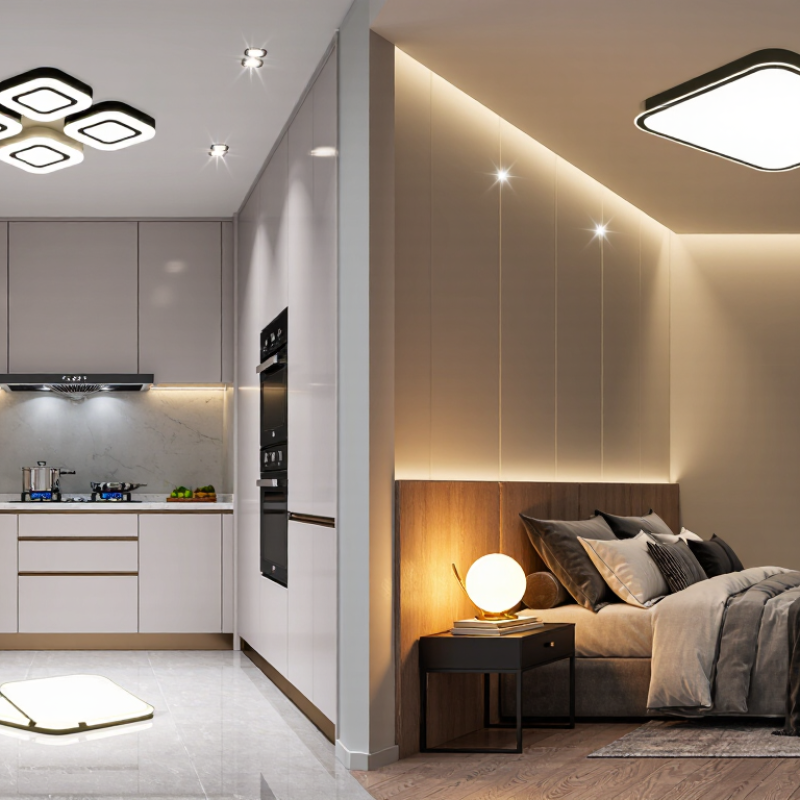
Indoor lighting shapes how a room feels and functions. A kitchen needs clear light for food preparation, while a bedroom often benefits from softer, warmer illumination. LED fixtures can serve both spaces, but their performance depends on more than brightness alone. Color temperature, color rendering, beam direction, and dimming compatibility all affect the result.

So, how does led indoor lighting work? An LED, or light-emitting diode, produces light when electrical current passes through a semiconductor. A driver inside the fixture converts incoming power into a form the LEDs can use and helps regulate their operation. The diode produces some heat, too, so the fixture’s design must move that heat away from sensitive components. Lenses, reflectors, or diffusers then shape the light across a room or work surface.

Small details matter. A poorly matched dimmer may cause flicker or uneven brightness, and a bright fixture can still make colors look dull if its color-rendering performance is limited. Product specifications help, but they do not always predict how a lamp will feel in a particular room. That part takes observation. This guide explains the main components, common specifications, and practical choices behind LED indoor lighting, while noting where products differ and where a simple explanation has limits.
What Is LED Indoor Lighting and How Does It Work?

What LED Indoor Lighting Is and Where It Is Used

LED indoor lighting uses light-emitting diodes, or LEDs, to turn electrical energy into light. A semiconductor inside each diode emits light when current passes through it. Unlike an incandescent bulb, it does not need to heat a filament. Less wasted heat. The light source may sit inside a bulb, a flat panel, or a narrow strip, depending on the fixture.

You’ll find LED lighting in kitchens, offices, hallways, warehouses, and retail spaces. A recessed ceiling panel can spread even light across a desk, while a small under-cabinet strip can brighten a countertop. Color temperature and brightness matter: a cool, bright fixture may suit detailed work, but feel harsh in a quiet bedroom. Dimmers and older fixtures can also affect performance, so a replacement does not always behave exactly as expected.

The U.S. Department of Energy’s LED lighting guidance reports that LEDs use at least 75% less energy and can last up to 25 times longer than incandescent lighting. The International Energy Agency’s 2019 report, The Future of Cooling, notes that lighting accounts for about 15% of global electricity consumption. Those figures describe broad trends, not guaranteed savings in every room; usage hours, fixture design, and controls all influence results. A poorly matched LED can still create glare. That detail is easy to overlook.

The Main Components Inside an LED Lighting System

An indoor LED lighting system is more than a row of bright chips. The light-emitting diodes sit on a circuit board, which carries current and helps spread heat. When electrical current passes through the semiconductor material, it produces light. The chips may look simple. Their performance depends on the parts around them.

A driver converts incoming electrical power into a form the LEDs can use. It also regulates current, helping prevent flicker and excessive electrical stress. In dimmable fixtures, control circuitry adjusts the light output. A driver that is poorly matched to the LEDs can cause uneven brightness or shorten service life. Small parts matter.

The board connects to a heat sink or metal housing that moves heat away from the diodes. This is important because excess heat can reduce output over time. Lenses or diffusers shape the beam, soften glare, and spread light across a room. A diffuser may make a desk feel more comfortable, though it can also reduce brightness slightly. Not glamorous, but important.

Wiring, seals, and mounting parts protect the assembly and hold it in place. When checking a fixture, look for even illumination and a housing that can release heat; the exact design varies by room and product.

How an LED Converts Electrical Energy Into Light

An LED indoor light makes illumination through a semiconductor, not a heated wire. When the fixture receives power, its driver converts incoming alternating current into controlled direct current. That current flows through the LED’s semiconductor junction. There, electrons meet “holes,” or places where electrons are missing, and release energy as photons. Those photons are light. The process is efficient, but not perfect.

Many white LEDs begin by producing blue light. A phosphor coating absorbs some of it and re-emits light across a broader range, creating a white appearance. The driver helps keep current steady, while the fixture’s heat sink carries warmth away from the LED chip. This matters: excess heat can shorten useful life and shift light output. One detail is easy to miss. “Cool” lighting still produces heat.

Tips: Check the fixture’s stated color temperature and dimmer compatibility before installation. Keep vents clear, and avoid enclosing a fixture unless it is rated for that use. If light flickers, the cause may be an incompatible dimmer, a loose connection, or a failing driver—not necessarily the LED itself. Small detail, big effect.

How an LED Converts Electrical Energy Into Light

Electricity drives a semiconductor junction, where some energy is released as photons; the rest is mainly dissipated as heat. This illustrative estimate assumes 120 lm/W of lamp efficacy and about 300 lm/W for the visible light produced. Actual conversion varies with the LED and its operating conditions.

How Drivers and Controls Regulate LED Performance

An LED driver converts incoming AC power into controlled DC current. It also protects the light source from voltage changes and excess heat. A poorly matched driver can cause flicker, uneven dimming, or early failure. Small component. Major effect. In practice, check the driver’s output current, dimming method, and compatibility with the control system before installation.

Controls tell the driver when to dim or switch off. Occupancy sensors respond when people leave a room; daylight sensors reduce output near bright windows. The U.S. Department of Energy’s 2020 U.S. Lighting Market Characterization estimated that LEDs made up 48% of installed U.S. lighting in 2020. Wider adoption makes dependable control increasingly important. A DOE GATEWAY evaluation of 12 commercial buildings reported average lighting-energy savings of about 47% with networked lighting controls, though results varied by site. Savings depend on sensor placement, schedules, and commissioning—not the control label alone. A sensor aimed at a sunlit doorway may misread activity. I would recheck settings after the room is occupied; that step is easy to overlook. DOE figures describe evaluated projects, not a guaranteed result for every indoor space.

What Is LED Indoor Lighting and How Does It Work? - How Drivers and Controls Regulate LED Performance

Element What It Does How It Works Typical Details Effect on Performance
LED light source Produces light when electrical current passes through semiconductor diodes. The driver supplies electrical power within the LED module’s operating limits. Light output is commonly measured in lumens; efficacy is measured in lumens per watt. LED output, color quality, and service life depend on current, temperature, and component design.
LED driver Converts incoming electrical power into a form suitable for LEDs and regulates their operation. Typically converts AC mains power to controlled DC output, while providing current or voltage regulation. The input-voltage range and output ratings are specified on the driver or luminaire documentation. A correctly matched driver helps maintain stable light output and protects LEDs from unsuitable electrical conditions.
Constant-current driver Maintains a specified output current through an LED string. Adjusts its output voltage as needed within its rated range to keep current near the set value. Common in luminaires designed for a defined LED current and compatible voltage range. Helps prevent current variation from causing unwanted brightness changes or excessive LED loading.
Constant-voltage driver Provides a regulated DC voltage to compatible LED equipment. The connected LED modules or strips include current-limiting components appropriate to the supply. Common supply ratings include 12 V or 24 V DC; the load must match the specified voltage. Using the wrong voltage or exceeding the rated load can cause unreliable operation or damage.
Dimming control Adjusts light output to suit tasks, comfort, or energy-saving schedules. Depending on the system, it can vary driver output, use pulse-width modulation, or control input power. Methods include 0–10 V, digital control protocols, and compatible phase-cut dimmers. The driver and control must be compatible to achieve smooth dimming and avoid flicker, dropouts, or limited dimming range.
Sensors and automation Automatically switch or adjust lighting based on occupancy or available daylight. Sensors send signals to compatible controls or drivers, which change the lighting state or output. Common applications include occupancy-based shutoff and daylight-responsive dimming. Well-configured controls can reduce unnecessary operating hours while maintaining useful illumination.
Thermal management Moves heat away from LEDs and driver components. Heat sinks, luminaire design, and suitable installation conditions help dissipate heat. Operating temperature limits are product-specific and should be followed as specified. Excess heat can reduce light output over time and shorten the service life of LEDs and electronic components.
Power quality and flicker Describes how consistently the driver delivers electrical power and light output. Driver design and control compatibility influence current ripple, dimming behavior, and light modulation. Flicker and power-factor performance vary by product and operating condition; consult test data for the specific luminaire. Suitable equipment can provide more stable lighting and better compatibility with the building’s electrical and control systems.

Common LED Indoor Lighting Types and Their Features

Indoor LED lighting produces light when electrical current passes through semiconductor chips. A driver regulates that current and helps prevent flicker. Small, but essential. Fixture design then shapes where the light lands, how bright it feels, and whether glare becomes distracting.

Recessed downlights suit kitchens and hallways, directing light onto counters or floors. Flat LED panels spread softer, even light across offices and other work areas. Linear strips fit under cabinets, inside shelves, or along coves; they add close, precise illumination, but exposed dots can look harsh. LED bulbs and task lamps offer flexible replacements for table lamps and desk lighting. Check color temperature and color rendering: warm light can feel calmer, while higher color accuracy helps reveal food and fabric colors. Not every room needs the same setting.

The U.S. Department of Energy’s Energy Saver guidance reports that residential LEDs use at least 75% less energy and can last up to 25 times longer than incandescent bulbs. Those are comparisons, not guarantees for every fixture. Heat, poor ventilation, and incompatible dimmers can affect performance. A bright label alone tells little about comfort; test the light where people actually read, cook, or work.

FAQS

What are the main parts inside an LED fixture?

LED chips sit on a circuit board that carries current and helps spread heat. A driver regulates electrical power, while the housing, lens, wiring, and mounting parts support the assembly.

What does an LED driver do?

It changes incoming power into a form the LEDs can use and regulates current. A poorly matched driver may cause uneven brightness or shorten service life. Small parts matter.

Why does heat management matter?

Excess heat can reduce light output over time. A heat sink or metal housing helps move heat away from the diodes. Look for a fixture that can release heat.

What do lenses and diffusers do?

They shape the beam, soften glare, and spread light around a room. A diffuser may make a desk more comfortable, though it can slightly reduce brightness.

Which LED fixtures work well in kitchens and hallways?

Recessed downlights direct light onto counters or floors. For a kitchen counter, under-cabinet strips can add close, precise illumination. Exposed dots may look harsh.

How can I choose lighting for an office or desk?

Flat panels provide soft, even light across work areas. Task lamps offer flexible desk lighting. Test the light where you actually read or work.

Why check color temperature and color rendering?

Warm light can feel calmer, while stronger color accuracy helps show food and fabric colors. Not every room needs the same setting.

How much energy can residential LEDs save?

Residential LEDs use at least 75% less energy and can last up to 25 times longer than incandescent bulbs. These are comparisons, not guarantees. Heat, poor ventilation, and incompatible dimmers can affect performance. I would still test the fixture in the room.

Conclusion

LED indoor lighting uses light-emitting diodes to illuminate homes, offices, shops, and other interior spaces. A typical system includes LED chips, a circuit board, heat-dissipating parts, a power supply, and sometimes sensors or dimming controls. Together, these components help produce light efficiently while managing heat and electrical input. Common options include bulbs, downlights, panels, strips, and task lights, each suited to different layouts and lighting needs.

To understand how does led indoor lighting work, start with the LED chip: when electrical current passes through its semiconductor material, energy is released as visible light. A driver converts incoming power into the steady current the LEDs need and helps protect them from fluctuations. Controls can adjust brightness, switch lights automatically, or support different lighting settings. The combination of suitable LEDs, a well-matched driver, and appropriate controls determines a system’s performance, comfort, and usefulness indoors.

Ethan

Ethan

Ethan is a seasoned marketing professional with a deep expertise in our company's innovative product line. With a passion for sharing knowledge and insights, he takes the lead in regularly updating our corporate blog, where he explores industry trends, product features, and effective marketing......