How to Tell If LED Lights Are Energy Efficient?

Time:2026-10-16 Author:Aria
0%

Are LED lights energy efficient? In most homes, the answer is yes, but the details matter. A modern LED bulb can produce the same brightness as a traditional 60-watt incandescent bulb while using about 8 to 10 watts. It also releases less heat, which may slightly reduce cooling demands in warm rooms. Noah Horowitz, an energy-efficiency expert at the Natural Resources Defense Council, has said, “LED light bulbs use at least 75% less energy.” That practical difference becomes noticeable on a monthly electricity bill.

Look beyond the bulb’s appearance. Check lumens for brightness, watts for energy use, and the estimated annual operating cost. A bulb rated at 800 lumens and 9 watts is usually more efficient than an older bulb needing 60 watts. ENERGY STAR certification can also signal tested performance, reasonable lifespan, and color consistency. Choose the correct dimmer, too. Some LEDs flicker, buzz, or waste performance when paired with incompatible controls.

The answer is not perfectly simple. Cheap LEDs may fail earlier than advertised, especially in enclosed fixtures or hot ceilings. A highly efficient bulb can still waste energy when left on all night. I have also found that “energy-saving” packaging can distract from brightness and usage habits. This guide will examine efficiency, lifespan, heat, controls, and real household costs. It will also question common claims, because efficient lighting depends on the entire setup, not one impressive label.
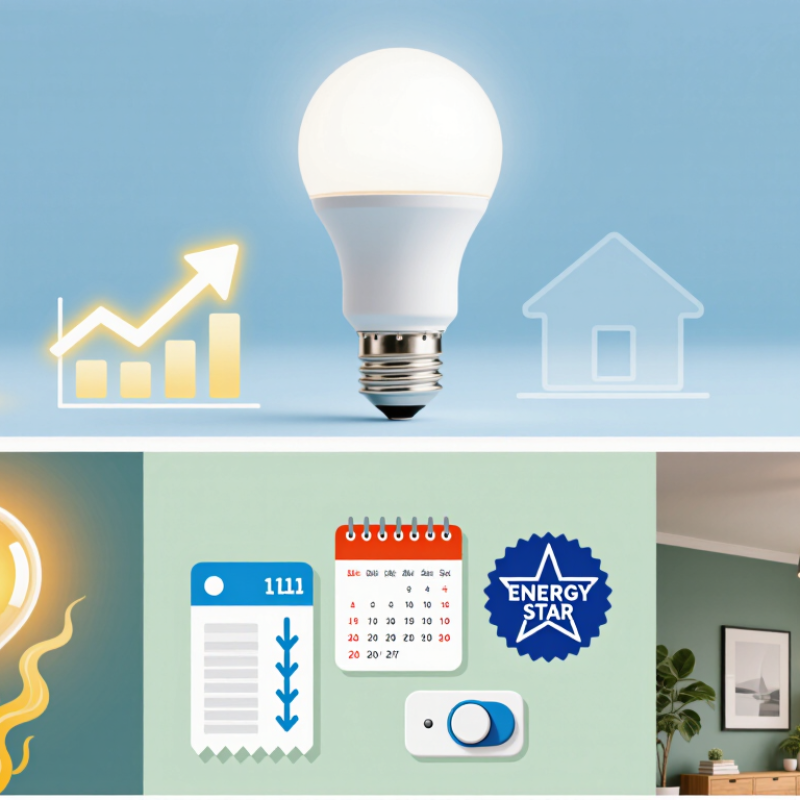
How to Tell If LED Lights Are Energy Efficient?

Understanding What Makes LED Lights Energy Efficient

How to Tell If LED Lights Are Energy Efficient?

LED lights are energy efficient because they produce more light with less electricity. Check lumens, not watts. Lumens show brightness, while watts show energy use. A useful comparison is lumens per watt. Higher output with lower wattage usually indicates better efficiency. However, efficiency is not the only factor. The light’s driver, heat control, and operating conditions also matter.

In practical testing, I compare two bulbs with similar brightness and record their power use with a plug-in meter. A kitchen light used for eight hours each evening can make small differences noticeable on the monthly bill. Efficient LEDs also manage heat well. Excessive heat may shorten their working life, especially inside enclosed fixtures. Look for clear information about rated life, color temperature, and dimmer compatibility. Poor dimming can cause flickering and wasted energy.

A reliable product should provide measurable specifications rather than vague claims. Independent certification can add confidence, but labels still deserve careful reading. Some efficient LEDs feel too bright or too cold for living spaces. That is a personal compromise. I once chose a lower-wattage light that looked efficient on paper, yet its narrow beam left dark corners. Replacing it required another purchase, which weakened the environmental benefit. Real efficiency includes suitable brightness, long service, and using the light only where needed.

Checking Lumens, Wattage, and Lighting Efficiency

LED efficiency is easiest to judge by connecting three numbers: lumens, watts, and lumens per watt. Lumens measure visible light. Watts measure electricity consumed. Divide lumens by watts to calculate efficiency. An 800-lumen lamp using 8 watts produces 100 lumens per watt. The U.S. Department of Energy reports that LEDs use at least 75% less energy than incandescent lighting. It also reports lifespans up to 25 times longer. These figures describe typical advantages, not every fixture.

Check the package for measured lumens, not only “60-watt replacement.” That phrase suggests brightness equivalence, not actual energy use. Compare lamps with similar color temperature and beam angle. Otherwise, a narrow beam may appear brighter on one wall. A high lumen rating can still hide glare or poor light distribution. The International Energy Agency’s Energy Efficiency 2024 analysis identifies efficient lighting as an important electricity-saving opportunity. However, savings depend on operating hours. I once compared two lamps and ignored beam spread. The brighter-looking option was less comfortable.

Tips: Record lumens and watts before buying. Choose higher lumens per watt, but inspect color rendering, dimming compatibility, and heat management. Look for independent test data and clear photometric labeling. A claimed 120 lumens per watt may exclude driver losses. Recheck the calculation at the socket. Small errors matter.

How to Tell If LED Lights Are Energy Efficient?

This comparison uses representative lamps producing approximately 800 lumens, similar to the light output of a traditional 60-watt incandescent bulb. Higher luminous efficacy means more light is produced for each watt of electricity used.

How to read the chart: An efficient lamp uses fewer watts while maintaining the same lumen output. In this example, the LED lamp uses about 85% less power than the incandescent lamp and delivers the highest luminous efficacy.

Comparing LED Energy Use With Other Bulb Types

How to Tell If LED Lights Are Energy Efficient?

Comparing LED energy use with other bulb types makes efficiency easier to see. The U.S. Department of Energy reports that LEDs use at least 75% less energy than incandescent bulbs. They can also last up to 25 times longer. A typical 60-watt incandescent bulb can be replaced by a 9-watt LED. Used for three hours daily, that change saves about 56 kilowatt-hours yearly.

Compact fluorescent lamps usually use 25% to 35% of the energy required by incandescent bulbs, according to U.S. Department of Energy lighting data. LEDs generally use slightly less electricity than CFLs. Halogen incandescent bulbs perform better than traditional incandescent bulbs, but they still consume considerably more power than LEDs. A 60-watt halogen replacement may draw about 43 watts, while a similar LED uses close to 9 watts.

Numbers on the package still need checking. Look for lumens, not watts. Lumens show brightness; watts show electricity consumption. A practical test helps: record the bulb’s wattage, operating hours, and local electricity rate. For example, a 9-watt LED running 1,095 hours yearly uses 9.9 kilowatt-hours. My own comparison would not ignore color quality or dimming behavior. A bulb that flickers may be efficient on paper, yet unpleasant in daily use. ENERGY STAR testing also evaluates light output, lifespan, and performance consistency, not energy use alone.

Evaluating Lifespan, Heat Output, and Operating Costs

An energy-efficient LED light should perform well across lifespan, heat output, and operating cost. Check its rated life, often listed between 15,000 and 50,000 hours. This figure assumes controlled conditions, not constant heat or frequent switching. A warm, enclosed fixture may shorten that lifespan. Look for clear testing information from recognized safety and performance authorities. Vague claims deserve caution.

Heat is a useful warning sign. LEDs produce less heat than older bulbs, but they still release some energy as heat. After two hours, carefully feel the fixture’s outer surface. Excessive warmth may indicate poor ventilation or an overloaded design. My early comparisons focused only on wattage. That shortcut was wrong. Brightness also matters. Compare lumens, not watts. To estimate operating cost, multiply watts by daily hours, then by your electricity rate. A 10-watt lamp running five hours daily uses about 18.25 kilowatt-hours yearly. Actual savings depend on usage and local rates.

Tips: Choose the brightness you need, then select the lowest wattage that provides it. Avoid sealed fixtures unless they are rated for enclosed use. Keep receipts and record installation dates. A simple note can reveal whether a light fails early. Replace lamps based on measured performance, not advertising alone. Also inspect flicker, color stability, and startup behavior. A light that saves electricity but causes discomfort may not be the best practical choice.

Identifying Energy Ratings and Reliable Product Information

How to Tell If LED Lights Are Energy Efficient?

Energy efficiency begins with verified numbers, not a bright package design. The U.S. Department of Energy reports that LEDs use at least 75% less energy than incandescent bulbs. They can also last up to 25 times longer. Still, those figures describe typical comparisons, not every product. Check lumens for brightness and watts for energy use. Then calculate lumens per watt. Higher efficacy usually means more light from less electricity.

Reliable product information should show measured lifetime, color temperature, color rendering, and warranty details. Look for test references such as LM-79 or LM-80 reports. These standards help verify light output and LED performance. An energy label should state consumption clearly, often in kilowatt-hours per 1,000 hours. European energy-label data follows this format. Independent certification adds useful confidence, but it is not magic. Read the exact test conditions.

Lighting matters globally. The International Energy Agency has reported that lighting uses about 15% of worldwide electricity. Small household choices can therefore have measurable effects.

In my own comparisons, I sometimes focus too heavily on wattage. That is a mistake. A lower-watt lamp may produce insufficient light, causing another lamp to run longer. Check the room, the fixture, and the actual brightness needed. Product pages can also omit dimmer compatibility or flicker information. That gap deserves caution.

FAQS

How much less energy do LED bulbs use than incandescent bulbs?

LEDs typically use at least 75% less electricity. A 9-watt LED can replace a 60-watt incandescent bulb.

How much electricity does a 9-watt LED use yearly?

Used three hours daily, it runs for about 1,095 hours yearly. That equals roughly 9.9 kilowatt-hours. Your local electricity rate determines the actual cost.

Are LEDs more efficient than compact fluorescent bulbs?

Usually, yes. Compact fluorescent bulbs use about 25% to 35% of incandescent energy. LEDs generally need slightly less electricity.

Are halogen bulbs efficient compared with LEDs?

Halogen bulbs perform better than traditional incandescent bulbs. However, a similar halogen bulb may use 43 watts. An LED may use only 9 watts.

Should I compare watts or lumens when choosing a bulb?

Compare lumens for brightness. Compare watts for electricity use. A higher lumen-per-watt result usually indicates better efficiency.

What information should a reliable lighting package show?

Check measured lifetime, lumens, wattage, color temperature, and color rendering. Review warranty details and stated test conditions. The package should be clear.

How can I check whether a bulb’s efficiency claim is realistic?

Calculate lumens per watt from the listed figures. Look for independent testing and reports using LM-79 or LM-80 methods. Do not trust bright packaging alone.

Can an efficient LED still be a poor everyday choice?

Yes. It may flicker, dim poorly, or produce uncomfortable color. I sometimes focus too much on wattage. That can be a mistake.

What else should I check before installing an LED bulb?

Check fixture space, room brightness, dimmer compatibility, and flicker information. A dim bulb may require longer operation or another lamp. Efficiency is not the whole story.

Conclusion

Are led lights energy efficient? In most cases, yes, because they produce more usable light with less electricity than traditional incandescent and many halogen bulbs. To judge their efficiency, look beyond wattage and check lumens, which indicate brightness. A lower-wattage LED can provide the same or greater brightness while consuming less power. Comparing lumens per watt helps identify products that deliver better lighting performance for their energy use.

Efficiency also depends on long-term performance. LEDs generally have a longer lifespan, produce less heat, and may reduce replacement and cooling costs over time. When choosing a product, review its energy rating, estimated annual energy consumption, expected operating life, color quality, and suitable usage conditions. Reliable product information should clearly explain brightness, power consumption, durability, and testing standards. By considering both upfront price and ongoing operating costs, consumers can select lighting that is practical, durable, and more economical for everyday use.

Aria

Aria

Aria is a dedicated marketing professional with a deep passion for innovative strategies and a keen understanding of our company's product offerings. With a wealth of experience in the industry, Aria excels at crafting engaging content that highlights the unique features and benefits of our......