Modern interior lighting is no longer limited to one bright ceiling fixture. It shapes mood, improves comfort, and gives rooms a clearer visual identity. Learning how to create modern interior lighting effects begins with observing how people use each space. A kitchen needs accurate task lighting, while a bedroom benefits from softer, warmer layers. The best results usually combine ambient, task, and accent lighting. Each layer should serve a purpose.
Start by studying the room during daytime and after sunset. Notice dark corners, reflective surfaces, and areas that feel visually crowded. A slim LED strip beneath a cabinet can brighten a countertop without adding clutter. Recessed lights can provide an even foundation, but poor placement may create harsh shadows on faces. Wall washers can emphasize textured plaster, artwork, or wood grain. Use dimmers whenever possible. They allow one room to support work, conversation, and rest.
Color temperature matters. Warm white light often creates a relaxed atmosphere, while neutral white supports detailed activities. However, personal preference and material colors can change the result. Test samples before installing everything. Small mistakes become expensive later. Avoid choosing fixtures only because they look impressive in photographs. Glare, maintenance, energy use, and accessibility deserve equal attention. Professional lighting designers also consider beam angles, lumen output, control systems, and local electrical standards. This guide explains practical methods, common misjudgments, and thoughtful ways to refine a lighting plan. Perfect balance is difficult. A better room often comes from careful testing, adjustment, and honest observation.
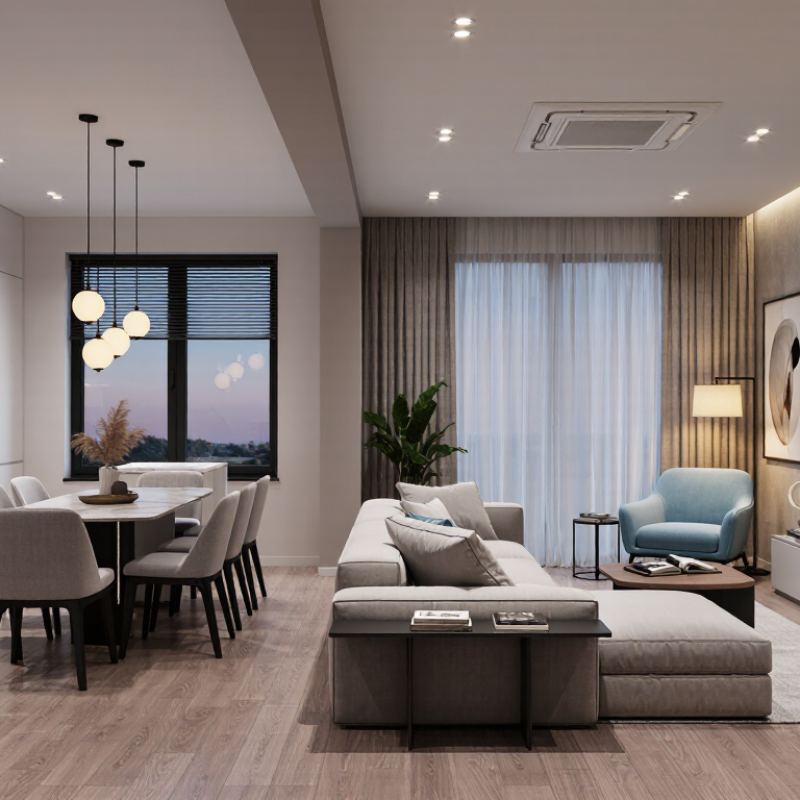
How to Create Modern Interior Lighting Effects
Understanding the Principles of Modern Interior Lighting
Modern interior lighting begins with human needs, not decorative fixtures. A room should support movement, concentration, rest, and conversation. I usually begin by observing how daylight enters the space at 9 a.m. and again after sunset. The shadows often reveal more than a floor plan. Layered lighting works best: ambient light establishes visibility, task light supports precise activities, and accent light gives surfaces depth. Keep controls simple. If users need several minutes to adjust the room, the design has probably become too complicated.
Energy performance also shapes good lighting decisions. The International Energy Agency reports that lighting uses about 15% of global electricity and produces roughly 5% of global greenhouse-gas emissions. The U.S. Department of Energy states that LED systems can use at least 75% less energy and last up to 25 times longer than incandescent lamps. These figures support efficient sources, but efficiency alone is not comfort. A bright, cold ceiling can make a small living room feel clinical. Warm light near seating, concealed wall washing, and carefully aimed task lighting usually create a calmer balance.
I still over-light spaces sometimes.
That mistake is useful. It reminds me to test glare from seated eye level, not only from the designer’s viewpoint. The Commission Internationale de l’Éclairage emphasizes visual comfort, luminance distribution, and glare control in lighting practice. Therefore, place brighter surfaces beside darker ones, soften reflective finishes, and dim the room after sunset. A beautiful effect should remain comfortable when someone reads, cooks, or simply stays still.
Modern lighting begins with requirements, not decorative fixtures. Map each activity, surface, and viewing angle before selecting equipment. Ambient light supports movement, task light serves reading or cooking, and accent light directs attention toward artwork, shelves, or textured walls. The Illuminating Engineering Society commonly recommends about 300–500 lux for many office task areas, although residential needs vary with age and visual comfort. Measure on the work surface, not near the ceiling.
Create zones that match real behavior. A kitchen may need separate controls for counters, circulation, and dining. In a bedroom, dimmable ambient light and low-level floor lighting can prevent harsh brightness at night. Use warmer light for relaxed areas and higher color rendering where materials must look accurate. The U.S. Department of Energy reports that lighting represents roughly 15% of global electricity consumption, so efficient sources and occupancy controls matter beyond appearance.
Watch the shadows. A recessed downlight directly above a mirror can deepen facial shadows, while side lighting produces a more usable reflection. Layering is rarely perfect on the first attempt. I have seen elegant plans fail because switches were grouped by wiring convenience instead of user habits. Test brightness at night, check glare from seating positions, and leave room for adjustment. A practical plan may use four circuits, not one impressive fixture.
Modern interior lighting begins with the fixture, not the bulb. Choose recessed lights for clean ceilings, wall sconces for soft vertical glow, and pendants for focused task areas. A fixture should control glare, not merely produce brightness. The Illuminating Engineering Society recommends layered lighting, combining ambient, task, and accent sources for visual comfort. In practice, a narrow beam can highlight artwork beautifully, but it may create harsh shadows on nearby faces.
Bulb efficiency matters as much as appearance. The U.S. Department of Energy reports that LED lighting can use up to 75% less energy and last up to 25 times longer than incandescent lighting. Select the correct lumen output instead of copying old wattage labels. For a reading corner, use a higher-output bulb with a shielded shade. For hallways, choose lower output and wider distribution. Dimming compatibility still causes problems. Some bulbs flicker with older controls, even when the packaging claims smooth dimming.
Color temperature changes the room’s emotional balance. The IEA estimates that lighting represents about 15% of global electricity consumption, making efficient choices significant beyond decoration. Warm white, around 2700K suits bedrooms and dining spaces. Neutral white, near 3500K supports kitchens and work areas. Cooler light can sharpen attention, but it may feel clinical at night. I often prefer adjustable color temperature, though it can encourage endless tweaking. The room should feel calm, not technically impressive.
Modern interior lighting works best when placement, direction, and control are designed together. Place ambient fixtures to wash walls, not merely brighten the floor. A recessed light near a textured wall can reveal grain, while a pendant above a table creates a clear visual anchor. In my projects, moving a fixture only 20 centimeters often changes the room’s perceived balance. Light should arrive from useful angles. A 30-degree position can model artwork and reduce flat shadows. However, this angle is not universal. Dark surfaces may need wider distribution.
Control turns a fixed installation into a responsive environment. Use dimming for evening comfort, occupancy sensors for rarely used areas, and daylight sensors near windows. The U.S. Department of Energy reports that advanced lighting controls can reduce lighting energy use by up to 60% in suitable buildings. That figure depends on commissioning, room use, and user behavior. It is not a guaranteed result. The International Energy Agency’s Energy Efficiency Market Report also identifies efficient lighting and controls as important electricity-saving measures across buildings. Keep scenes simple: work, relaxed, and presentation. Too many settings create hesitation. Test each scene at night, then return during daylight. The first version is rarely right. Shadows may feel dramatic in a drawing but uncomfortable beside a sofa. Adjust, measure, and question the effect.
Use lower illuminance for circulation and relaxation, and higher levels where accurate visual tasks take place. Layered lighting combines ambient placement, directional accents, and controllable task lighting to create a comfortable modern interior.
Modern interior lighting should support comfort before it seeks attention. A balanced scheme combines ambient, task, and accent light across the room. Soft ceiling illumination can reduce harsh shadows, while a focused lamp helps with reading or food preparation. Light should feel calm.
Choose warm, adjustable light for living areas and bedrooms. Cooler light may suit work zones, but excessive brightness can create visual fatigue. Use dimmers to respond to daylight, activity, and personal sensitivity. Keep fixtures away from direct eye level when possible. A shaded wall light can create depth without glare. I have found that even attractive lighting feels uncomfortable when reflections appear on screens or polished tables.
Tips: Observe the room at morning, afternoon, and night. Test it at night. Measure brightness near seating, worktops, and walking paths before changing fixtures. Use daylight first, then add only the light you need. Energy efficiency improves when controls, occupancy sensors, and low-energy lamps match real habits. However, sensors can feel annoying in quiet rooms if they switch off too quickly. Adjust their timing instead of removing them immediately. I still get this wrong when designing for photographs rather than daily life. A darker corner may look dramatic, yet residents could need safer, clearer visibility there. Reassess the space after several evenings, noting glare, shadows, heat, and unused light.
Ambient light supports movement and general visibility. Task light helps with reading, cooking, or desk work. Accent light adds depth to shelves, artwork, or textured walls.
Map activities, surfaces, and viewing angles before choosing fixtures. Separate kitchen lighting for counters, circulation, and dining. Measure light at the work surface.
Use warm, adjustable light near sofas and beds. Add dimmable ceiling light and low-level floor lighting. Keep brightness gentle after sunset.
Test the room from seated eye level. Avoid placing a downlight directly above a mirror. Side lighting usually creates a clearer facial reflection.
Many office tasks use about 300–500 lux. Residential needs vary with age and visual comfort. Measure near the desk, counter, or worktop.
Efficient light sources can use much less energy than older lamps. Occupancy controls and dimmers reduce unnecessary operation. Match controls to real habits.
Warmer light suits relaxing areas and bedrooms. Cooler light may support focused work. Excessive brightness can cause visual fatigue.
Observe the room in morning, afternoon, and evening. Check reflections on screens, polished tables, and mirrors. I still over-light spaces sometimes. Reassess after several nights.
Learning how to create modern interior lighting effects begins with understanding how light shapes mood, depth, function, and visual comfort. A successful design combines ambient, task, and accent lighting while dividing the room into practical zones. Assess each area’s activities, natural light, ceiling height, surfaces, and architectural features before choosing fixtures, bulbs, beam angles, and color temperatures. Warm light can create a relaxed atmosphere, while neutral or cooler tones may support focus and clarity.
To create balanced effects, use placement, direction, layering, and controls thoughtfully. Recessed fixtures can provide even illumination, pendants can define focal points, and concealed or wall-mounted sources can highlight textures and boundaries. Dimmers, timers, and adjustable controls help adapt the space throughout the day. Finally, refine the arrangement by reducing glare, preventing harsh contrasts, matching fixture proportions to the room, and selecting efficient light sources. The best result is a flexible, comfortable, and energy-conscious interior that feels both modern and inviting.

VELORIQ Lighting