How Long Do LED Lights Last in 2026?

Time:2026-10-21 Author:Oliver
0%

How long do led lights last? In 2026, the most reliable answer remains: it depends on the product, operating conditions, and maintenance. Many quality LED bulbs are rated for 15,000 to 50,000 hours. Premium commercial fixtures may reach 100,000 hours under controlled conditions. These figures describe expected useful life, not guaranteed perfection.

In practical terms, a bulb used for three hours daily could last around 13 to 45 years. That sounds impressive, but real rooms are less predictable. Heat trapped inside a sealed ceiling fixture can shorten LED life. Frequent switching, voltage fluctuations, moisture, and poor ventilation can also affect performance. I have seen older LEDs remain lit while becoming noticeably dimmer. That difference matters.

Manufacturers usually report rated life through testing methods such as LM-80 and TM-21. These standards help estimate lumen maintenance over time. However, they do not fully recreate every home, shop, or outdoor installation. Check the warranty, operating temperature, dimmer compatibility, and replacement policy before buying. A low-cost bulb with a bold lifespan claim may not outperform a modestly rated, well-built model. This is where estimates become imperfect. “Lasting” can mean staying on, retaining brightness, or remaining safe and efficient. Those are not identical results. This guide examines each meaning carefully, using manufacturer data, testing principles, and everyday observations to explain what LED owners can realistically expect in 2026.
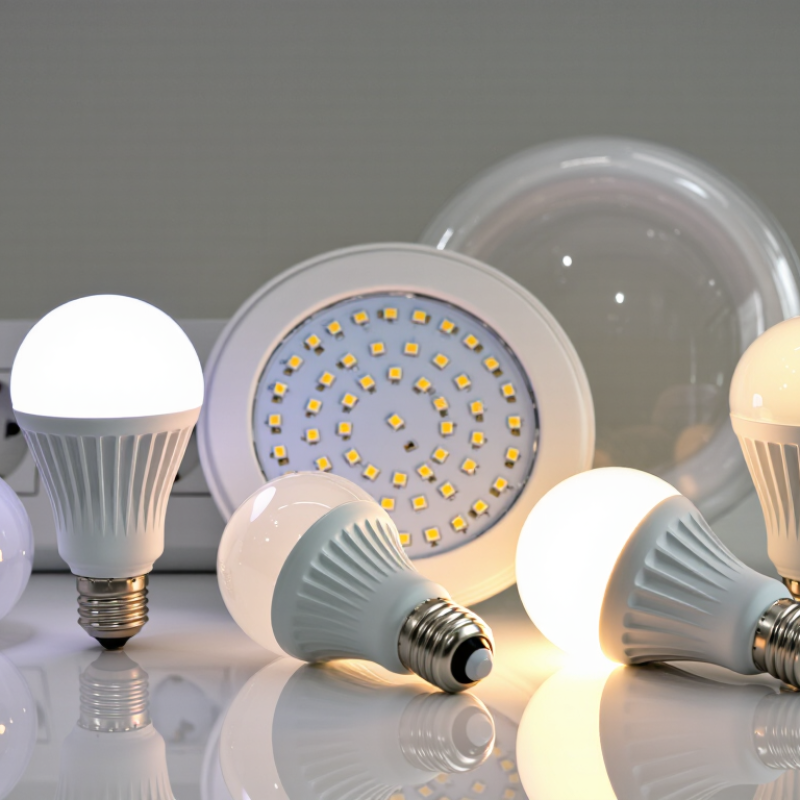
How Long Do LED Lights Last in 2026?

LED Lifespan: What “How Long” Really Means in 2026

How Long Do LED Lights Last in 2026?

LED Lifespan: What “How Long” Really Means in 2026

An LED light may be rated for 15,000 to 50,000 hours. That figure does not mean instant failure after the final hour. It usually describes useful light output, measured through standards such as L70. L70 means the lamp still produces about 70% of its original brightness. A dimmer room may hide this gradual decline. A workshop cannot.

The real answer depends on heat, operating time, power quality, and construction. A ceiling light trapped against insulation can age faster than its label suggests. Frequent switching may stress the driver more than the LED chip. Moisture also matters, especially in bathrooms, garages, and outdoor fixtures. Check the rated environment before trusting the number.

Look beyond the headline rating. A reliable specification should explain lumen maintenance, operating temperature, and test conditions. Warranty terms can reveal how confidently the maker supports its claims. Still, ratings are controlled estimates, not crystal balls. In a warm kitchen, a ten-year promise may feel optimistic. In a cool hallway used briefly each evening, it may last much longer. The fixture’s driver often fails first, yet many product pages barely discuss it. That gap deserves attention in 2026.

How LED Light Lifespan Is Measured and Rated

How Long Do LED Lights Last in 2026?

How LED Light Lifespan Is Measured and Rated

An LED’s rated life does not mean complete failure after a fixed number of hours. It usually means the time until light output falls to 70% of its starting level, called L70. The U.S. Department of Energy reports that quality solid-state lighting products commonly target 25,000 to 50,000 hours. That equals roughly 17 to 34 years at four hours daily. The estimate sounds exact. It is not.

Engineers measure lumen maintenance through IES LM-80 testing. Tested LED packages operate for thousands of hours under controlled temperatures and currents. IES TM-21 then projects future performance from those results. This process measures brightness decline, not every possible failure. A driver can fail earlier. Heat can also shorten the practical life. DOE research reports repeatedly identify thermal management as a major factor in LED reliability. A cooler housing usually protects the electronics and maintains brightness longer.

Tips: Check the product’s L70 rating, test temperature, and warranty terms. Look for LM-80 and TM-21 evidence, not only a large hour number. Keep fixtures away from insulation unless they are approved for enclosed spaces. Dust also matters. In a warm ceiling cavity, an LED may age faster than its laboratory rating suggests. The rating remains useful, but it should guide expectations rather than promise perfection.

Average LED Lifespans by Bulb, Fixture, and Application

How Long Do LED Lights Last in 2026?

LED lifespan depends on the product, heat, operating hours, and application. Household LED bulbs commonly carry rated lives between 15,000 and 25,000 hours. The U.S. Department of Energy’s Solid-State Lighting Lifetime and Reliability report places many quality LED systems near 25,000 to 50,000 hours. However, rated life usually means L70: the point when light output falls to 70 percent, not when the lamp suddenly fails. A bulb used four hours daily may last around 10 to 17 years.

Fixtures often show longer ratings, especially commercial models designed for offices, warehouses, and high-bay areas. Many are listed near 50,000 hours, while outdoor fixtures may receive shorter ratings because moisture, vibration, and temperature accelerate wear. IES TM-21 guidance also warns that long-term lumen predictions depend on tested data. Numbers can look precise. Real buildings are less predictable.

Tips: Check the L70 rating, not only the warranty. Keep enclosed bulbs within their approved temperature range. For kitchens, garages, and high-bay spaces, choose fixtures with replaceable drivers when possible. The ENERGY STAR certification requirements provide useful baseline tests, but certification cannot remove poor ventilation or unstable power. In my experience, heat is the overlooked problem. A cool LED often outlasts a brighter one trapped above insulation. Manufacturers also sometimes publish optimistic figures, so compare test conditions carefully.

The Main Factors That Shorten LED Operating Life

How Long Do LED Lights Last in 2026?

In 2026, many LED products advertise 25,000 to 50,000 operating hours. U.S. Department of Energy solid-state lighting research warns that these figures are not guarantees. They usually describe gradual light loss, not total failure. A lamp running eight hours daily could reach 25,000 hours in about 8.5 years. Real conditions can shorten that period.

Heat remains the main threat. Poor airflow traps heat around the LED board and electronic driver. In a sealed ceiling fixture, temperatures can rise quickly. DOE reliability studies link higher temperatures with faster lumen depreciation and reduced component life. IES LM-80 testing measures LED light output over time, while TM-21 projects future performance. These methods help, but projections still depend on tested conditions.

The driver often fails first. Frequent switching, unstable voltage, and power surges can damage its capacitors. Moisture creates another problem, especially in bathrooms, garages, and outdoor fittings. Dust also blocks heat from escaping. Even a two-degree temperature difference may matter over thousands of hours. That detail is easy to miss.

Look for thermal testing, clear rated-life data, and suitable ingress protection. Products installed above insulation deserve extra caution. A real installation rarely matches a laboratory bench. That is the uncomfortable part. My own assessment would leave a safety margin of 20% to 30% when planning replacement schedules, because published life figures cannot capture every socket, climate, or wiring condition.

How Long Do LED Lights Last in 2026? - The Main Factors That Shorten LED Operating Life

Factor Typical LED Operating Life How It Shortens Life Common Warning Signs Ways to Extend Service Life
Normal thermal conditions About 25,000–50,000 hours for many general-purpose LED lamps and fixtures LEDs usually lose brightness gradually rather than failing suddenly. The stated life is commonly based on reaching approximately 70% of initial light output, often written as L70. Lower brightness, uneven illumination, or a gradual color shift Choose products with a published lumen-maintenance rating and keep operating temperatures within the stated limits.
High ambient temperature Often substantially shorter than the rated life when the surrounding temperature exceeds the specification Heat accelerates LED lumen depreciation and increases stress on electronic components, especially the driver. Faster dimming, hot housing, discoloration, or intermittent shutdown Improve airflow, avoid heat-trapping locations, and follow the fixture’s maximum ambient-temperature rating.
Poor heat dissipation May be reduced even when room temperature is moderate A blocked heat sink, sealed fitting, or insufficient thermal interface can raise the LED junction temperature. Excessive surface heat, flicker after warm-up, or accelerated loss of light output Use the correct enclosed-fixture-rated lamp, keep heat sinks clean, and do not cover ventilation openings.
LED driver quality The driver can fail before the LED module reaches its rated lumen life The driver converts incoming power for the LEDs and may be affected by heat, capacitor aging, voltage disturbances, and component quality. Flickering, delayed startup, sudden shutdown, or complete loss of light Select products with a documented driver warranty, suitable temperature ratings, and replaceable driver or module options where practical.
Frequent switching Usually less damaging to the LED itself than to fluorescent or incandescent lamps, but driver life may be affected Repeated power cycles can stress driver components and may expose incompatibility with sensors, timers, or smart controls. Flicker during startup, delayed illumination, or premature driver failure Use lamps rated for frequent switching and verify compatibility with occupancy sensors and automatic controls.
Voltage surges and unstable power Unpredictable; a severe surge can cause immediate failure Electrical transients can damage the driver, LED circuitry, or protective components. Sudden failure, repeated flicker, tripped protection, or visible component damage Use properly grounded wiring, surge protection where needed, and products matched to the local supply voltage.
Incompatible dimming May cause reduced reliability even if the LED lamp is otherwise suitable An incompatible dimmer can create unstable current, excess electrical stress, audible noise, or repeated start-stop behavior. Flicker, limited dimming range, buzzing, or lights that do not switch off completely Use a dimmable LED with a compatible dimmer and stay within the dimmer’s minimum and maximum load range.
Moisture, condensation, and corrosion Can be much shorter in damp or outdoor locations without suitable protection Water and humidity can corrode contacts, damage insulation, and create leakage paths on electronic boards. Intermittent operation, corrosion, cloudy lenses, or tripped electrical protection Use a fixture with an appropriate ingress-protection rating and install seals, gaskets, and drainage correctly.
Dust and blocked ventilation Gradually reduced as dust increases operating temperature Dust can insulate heat sinks and restrict airflow, causing thermal stress and reduced light output. Dust buildup, hotter housing, dimming, or visible dirt on the lens Clean fixtures according to the maintenance schedule and keep air passages unobstructed.
Mechanical vibration and impact Highly dependent on fixture construction and installation conditions Vibration can loosen connections or damage solder joints, boards, lenses, and mounting hardware. Intermittent light, rattling, loose parts, or sudden failure after impact Use vibration-rated equipment, secure mounting hardware, and avoid installing ordinary lamps in high-impact areas.
Operating schedule Calendar life depends on annual usage; 25,000 hours equals about 17 years at 4 hours per day Longer daily operation does not necessarily reduce the rated hourly life by itself, but it increases cumulative heat exposure and reaches the end of the rated hours sooner. More frequent maintenance or noticeable brightness loss after many operating hours Use occupancy or daylight controls where appropriate, while ensuring that the controls are compatible with the LED driver.

Note: LED life ratings are estimates based on defined testing conditions. Actual service life depends on the complete lighting system, including the LED package, driver, thermal design, electrical environment, installation, and maintenance.

How to Extend LED Performance and Recognize End-of-Life Signs

How Long Do LED Lights Last in 2026?

How to Extend LED Performance and Recognize End-of-Life Signs

Most LED lights last between 15,000 and 50,000 hours, depending on heat, power quality, and construction. Their brightness usually fades gradually instead of stopping suddenly. This process is called lumen depreciation. In practical inspections, heat is often the hidden problem. A sealed fixture can trap warmth around the LED driver, especially near ceilings or outdoor walls. Dust also blocks ventilation and raises operating temperatures. Small details matter.

Watch for clear end-of-life signs. Noticeable dimming, uneven brightness, flickering, delayed startup, or a changing color can indicate aging components. Dark spots beneath the lens may signal damaged LED chips. Sometimes the light still works, but the driver is failing. That is easy to miss. Do not ignore repeated flickering, particularly in work areas or stairways. Replace the unit when performance becomes unreliable, and ask a qualified electrician to inspect wiring when faults continue.

Tips: Keep fixtures clean with a dry, soft cloth. Avoid covering ventilation openings. Use the correct voltage and compatible dimmer. Allow enclosed fixtures enough space for airflow. In my experience, lowering heat extends performance more effectively than simply switching lights off frequently. Still, this is not universal. Poor installation can shorten any rated lifespan. Record installation dates, then compare brightness every few months.

FAQS

How long do LED lights usually last?

Many household LED lights are rated for 15,000 to 25,000 hours. Quality systems may reach 25,000 to 50,000 hours. At four hours daily, that equals roughly 10 to 34 years. Real results vary.

Does the rated lifespan mean the LED suddenly stops working?

No. The rating often refers to L70 performance. The light may produce about 70% of its original brightness. It can still operate afterward.

What is L70?

L70 marks the estimated time until brightness falls to 70%. It measures gradual dimming, not complete failure. A dim hallway may hide this change.

What usually shortens LED lifespan?

Heat, moisture, unstable power, dust, and long operating hours can reduce lifespan. A fixture trapped against insulation may age quickly. Heat is often overlooked.

Does frequent switching damage LED lights?

Frequent switching may stress the driver more than the LED chip. The driver can fail before the light-emitting parts. This detail is often underexplained.

Do enclosed fixtures affect LED performance?

Yes. Enclosed fixtures can trap heat around the electronics. Use bulbs approved for enclosed spaces. A warm ceiling cavity is not ideal.

How can I judge an LED lifespan claim?

Check the L70 rating, test temperature, operating conditions, and warranty terms. Look for brightness testing evidence, not only a large hour number. Ratings are estimates.

Can outdoor LED lights last as long as indoor lights?

Not always. Moisture, vibration, dust, and temperature swings can accelerate wear outdoors. Choose fixtures rated for the actual environment. Conditions matter more than labels.

What should I do to help an LED last longer?

Keep the fixture cool and clean. Avoid blocking ventilation with insulation or dust. Use stable power and suitable products for kitchens, garages, and bathrooms.

Are LED lifespan estimates completely reliable?

They provide useful comparisons, but they are not promises. Laboratory conditions may be cooler and cleaner than real rooms. My confidence should remain limited.

Conclusion

How long do LED lights last in 2026? In typical conditions, LED bulbs and fixtures can provide many years of service, but their lifespan depends on how “lasting” is defined. Manufacturers often rate LEDs by operating hours until light output falls to a certain level, rather than until the light suddenly stops working. Household bulbs may serve for years, while commercial fixtures and application-specific systems can have different ratings based on usage, thermal design, and driver quality.

Heat is one of the biggest causes of shortened LED life, along with frequent switching, unstable voltage, moisture, dust, and poor ventilation. To extend performance, choose the correct fixture, keep heat-producing components well ventilated, avoid unsuitable enclosed installations, and maintain clean connections. Gradual dimming, flickering, delayed startup, uneven brightness, or color changes may signal that an LED system is approaching end of life. With sensible installation and maintenance, LEDs can deliver reliable, efficient illumination over a long operating period.

Oliver

Oliver

Oliver is a seasoned marketing professional with a wealth of expertise in driving brand awareness and engagement. With a deep understanding of our company's product offerings, he consistently delivers high-quality content that enriches our professional blog. His insights not only shed light on......