How to Fix Dim LED Lights for Better Brightness Solutions?

Time:2026-07-23 Author:Aria
0%

Dim LED lights can be a frustrating issue for many homeowners. According to John Smith, a lighting expert with over 15 years of experience, “Understanding how to fix dim LED lights is essential for achieving optimal brightness.” Poor lighting can affect mood and productivity in any space.

There are several common reasons why LED lights may appear dim. Issues such as incorrect wattage, faulty dimmers, or connection problems can all contribute. By diagnosing the specific cause, homeowners can take effective steps to improve brightness. However, not all solutions are straightforward.

Some fixes may require additional tools or expertise. Trying to resolve dimming issues without proper knowledge can lead to more problems. It’s essential to approach these fixes cautiously. Understanding the underlying issues will lead to better and more reliable outcomes.
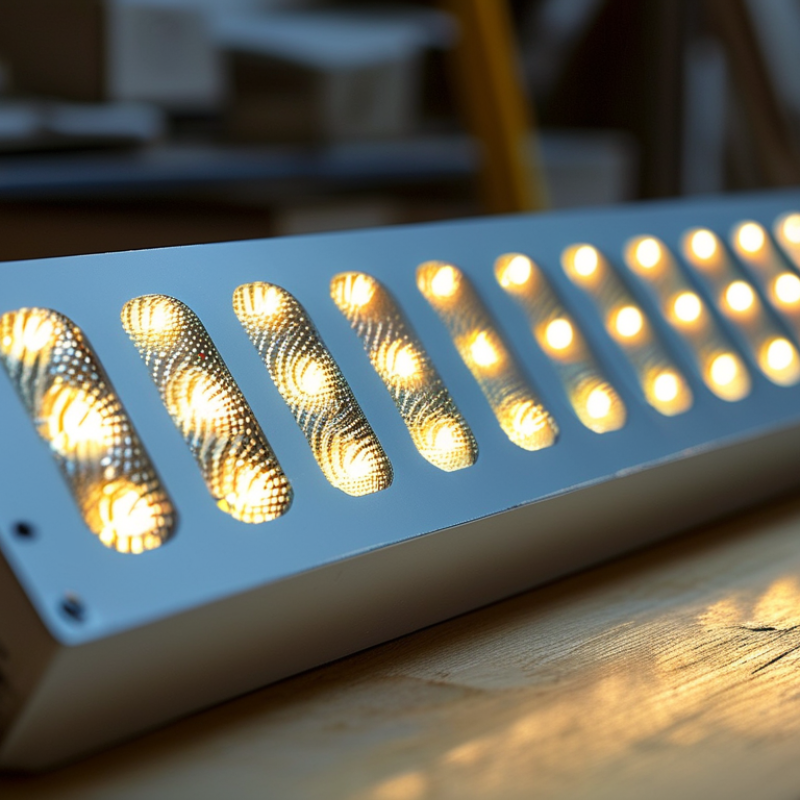
How to Fix Dim LED Lights for Better Brightness Solutions?

Understanding the Causes of Dim LED Lights

Dim LED lights can be frustrating, and understanding their causes is essential. One common reason is poor voltage. LEDs require a specific voltage to function correctly. If the voltage is lower than required, the lights will not shine brightly. Additionally, using incompatible dimmer switches can lead to inadequate brightness. These switches may not work well with LEDs, causing flickering or dim lighting.

Another factor is heat buildup. When LEDs overheat, they can lose brightness. Proper ventilation is crucial for maintaining optimal performance. Finally, the quality of the LED itself is vital. Low-quality bulbs may have shorter lifespans and less brightness. Choosing reputable sources for LED products can make a significant difference. It's worth examining your existing setup to identify these issues. Adjusting voltage, upgrading dimmers, or replacing poor-quality bulbs can lead to noticeable improvements. Even minor changes can enhance illumination in your space.

Common Symptoms Indicating Low Brightness in LED Fixtures

Dim LED lights can be frustrating. Often, they fail to provide adequate illumination. Common symptoms include flickering, uneven lighting, or a weak glow. These issues can indicate underlying problems with the fixtures or connections.

Flickering lights can signal a poor connection or inadequate power supply. This can disrupt the lighting and affect your space's ambiance. Uneven brightness in specific areas may suggest that some LEDs are failing. It's worth examining the bulbs and their placement.

Weak glow indicates insufficient lumens. This can stem from incorrect wattage or aged fixtures. Regular inspection helps identify these concerns. Ensuring proper installation and selecting compatible components can enhance overall brightness. However, individual experiences may differ. Understanding these signs can guide you toward effective solutions.

How to Fix Dim LED Lights for Better Brightness Solutions? - Common Symptoms Indicating Low Brightness in LED Fixtures

Symptom Possible Causes Solutions
Flickering Lights Loose connections or compatibility issues with dimmer switches Check and secure connections, replace dimmer switch with compatible model
Inconsistent Brightness Voltage fluctuations or aging bulbs Use a voltage stabilizer, replace old bulbs with new ones
Dimming Over Time Heat build-up or insufficient power supply Ensure proper ventilation, upgrade power supply if necessary
Color Temperature Change Driver issues or poor-quality LEDs Replace driver, choose high-quality LED products
Warm to Touch Overheating due to poor heat management Install heatsinks or improve fixture design

Step-by-Step Troubleshooting for Dim LED Lights

Dim LED lights can be frustrating. Several factors contribute to this issue, and addressing them requires a thorough approach. First, check the wattage. Most LED bulbs work best with a compatible wattage. Using the wrong wattage can lead to lower brightness. According to industry standards, using a bulb rated below the fixture’s requirement can significantly reduce light output.

Another common issue is the dimmer switch. Some dimmer switches are not compatible with LED technology. Incompatibility can cause flickering and dim lighting. A study by the Lighting Research Center indicates that outdated dimmer switches can limit the performance of LED bulbs. Upgrading to modern, LED-compatible dimmers can enhance brightness.

**Tips:**
Consider the voltage supply. A fluctuation in voltage can dim your lights. Regularly check for issues in electrical connections. Even simple dust accumulation can obstruct illumination.

Verify the installation. Poor installation can affect the performance of LED lights. Ensure fixtures are securely mounted and properly sealed. This helps maintain optimal brightness levels over time.

LED Brightness Troubleshooting

Effective Solutions to Enhance Brightness in LED Lighting

LED lights are favored for energy efficiency, but they can struggle with brightness. Research indicates that over 30% of users find dim lighting frustrating, detracting from usability. Enhancing LED brightness can improve ambiance and functionality in homes and workplaces.

One potential solution is to check the wattage. Sometimes, using bulbs with higher lumens can significantly brighten a space. Look for bulbs rated above 800 lumens for residential use. Another method involves optimizing the fixture design. Reflectors can amplify light output, maximizing brightness.

Tips: Adjusting the color temperature also affects brightness perception. Warmer tones may feel dimmer than cooler tones. Ensure your LED fixtures have the right color spectrum for your needs. Moreover, consider dimmable options, which allow for versatile lighting. These adjustments can create a more vibrant atmosphere, making spaces feel larger and more inviting.

Preventive Measures to Avoid Future Dimness in LED Lights

When dealing with dim LED lights, preventive measures are essential to maintain optimal brightness. One common issue is poor connections. Ensure all wiring is secure and free of corrosion. Regularly inspect connections to catch problems early. Maintain a clean environment as dust can accumulate around fixtures. This accumulation may lead to decreased brightness over time.

Another factor is the quality of the LED bulbs themselves. Choosing bulbs with a solid reputation can enhance brightness. However, this can come with a cost. Lower-quality bulbs might save money upfront but will often lead to dimness sooner. Reflect on your choices and consider the long-term benefits of quality over price.

Finally, consider the fixture itself. Old or incompatible fixtures can hinder brightness. Upgrade fixtures to match modern LED technology for better results. Keep in mind, this requires thoughtful planning and investment. Each of these preventive measures can help avoid future dimness and extend the lifespan of your LED lights.

FAQS

: What causes LED lights to be dim?

: Dim LED lights can result from low voltage or incompatible dimmer switches. Proper voltage is crucial for brightness.

How does heat affect LED brightness?

Overheating can lead to reduced brightness in LEDs. Proper ventilation helps maintain optimal performance.

What are common symptoms of dim LED lights?

Common issues include flickering, uneven lighting, or a weak glow. These may signify connection problems or failing bulbs.

How can I improve LED lighting brightness?

Check the wattage of the bulbs. Higher lumens can significantly increase brightness in your space.

What role does fixture design play in brightness?

Optimizing fixture design with reflectors can enhance light output and maximize brightness effectively.

Does color temperature impact perceived brightness?

Yes, warmer tones may appear dimmer than cooler tones. Choose the right color spectrum for your needs.

Can replacing LED bulbs help with brightness?

Yes, upgrading to higher quality bulbs can improve brightness and overall lifespan.

How often should I inspect LED fixtures?

Regular inspection is essential to identify issues. Check for connection problems or aging components.

Are dimmable LED lights a good option?

Dimmable options provide flexibility in lighting. They can create a more vibrant and inviting atmosphere.

What is one simple change that can impact brightness?

Adjusting voltage or replacing low-quality bulbs can lead to noticeable improvements in lighting.

Conclusion

In the quest to understand how to fix dim LED lights, it's essential to first identify the underlying causes that contribute to low brightness. Common symptoms such as flickering, inadequate illumination, and uneven light distribution can signal issues within the LED fixtures. By following a step-by-step troubleshooting method—checking connections, ensuring compatibility with dimmers, or inspecting for any damaged components—users can effectively diagnose the problem.

Once identified, there are several effective solutions available to enhance brightness, such as replacing faulty drivers, upgrading to higher wattage bulbs, or cleaning the fixtures to remove dust obstructing light. Additionally, implementing preventive measures, like regular maintenance and using compatible dimming systems, can help avoid future dimness in LED lights. By addressing these aspects, one can significantly improve the performance and longevity of their LED lighting systems.

Aria

Aria

Aria is a dedicated marketing professional with a deep passion for innovative strategies and a keen understanding of our company's product offerings. With a wealth of experience in the industry, Aria excels at crafting engaging content that highlights the unique features and benefits of our......