How to Save Energy with Indoor Lighting Tips for Everyone?

Time:2026-08-02 Author:Mason
0%

Indoor lighting plays a crucial role in our daily lives. It affects mood, productivity, and energy consumption. Learning how to save energy with indoor lighting can lead to significant savings on electricity bills. This guide offers practical tips suitable for everyone.

Many people overlook the impact of lighting on energy use. Simple changes can make a big difference. For instance, using LED bulbs instead of traditional ones greatly reduces energy consumption. Adjusting light placement can also enhance brightness without wasting power.

Additionally, the importance of natural light cannot be underestimated. Opening curtains during the day can minimize reliance on artificial lighting. However, it's easy to forget these tips amidst daily routines. Reflecting on our habits is essential for better energy management. Small adjustments can lead to a more sustainable home. Consider these strategies to create an energy-efficient indoor environment.
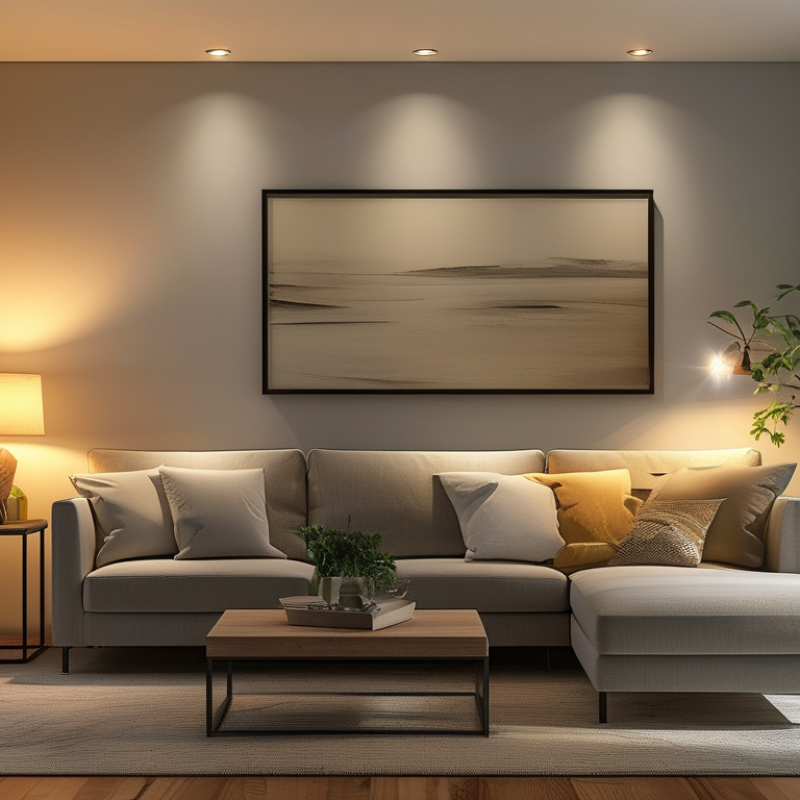
How to Save Energy with Indoor Lighting Tips for Everyone?

Understanding Energy Consumption in Indoor Lighting

Indoor lighting accounts for about 15% of residential energy consumption, according to the U.S. Department of Energy. This significant impact reveals the importance of understanding energy consumption in our everyday lighting choices. Many households overlook how simple adjustments can lead to substantial energy savings. For instance, switching to LED bulbs can reduce energy use by as much as 75%.

Moreover, the position and type of lighting can influence overall energy consumption. Strategically placing lamps and utilizing natural light can reduce reliance on artificial sources. Studies show that using daylight effectively can cut indoor lighting needs by nearly 30%. However, many people still leave lights on in unoccupied rooms, wasting energy. Identifying these habits is essential for improvement.

The efficiency of lighting can vary widely. Despite advancements, not all fixtures offer the same energy efficiency. A report from the International Energy Agency stated that smart lighting systems help track usage patterns, potentially reducing consumption by up to 30%. Awareness of these options is crucial for creating more energy-efficient environments. Exploring such practices can lead to both financial savings and reduced environmental impact.

How to Save Energy with Indoor Lighting Tips for Everyone?

Lighting Type Wattage (Watts) Lifespan (Hours) Energy Efficiency Estimated Cost per Year ($)
Incandescent Bulb 60 1,000 Low $25
Compact Fluorescent Lamp (CFL) 15 10,000 Moderate $6
Light Emitting Diode (LED) 10 25,000 High $3
Halogen Bulb 50 2,000 Low $20

Choosing Energy-Efficient Light Bulbs for Your Home

Choosing energy-efficient light bulbs is essential for reducing energy consumption in your home. According to the U.S. Department of Energy, lighting accounts for about 15% of the average household's electricity bill. By opting for energy-saving bulbs, homeowners can significantly lower this cost. LED bulbs, for instance, use up to 80% less energy than traditional incandescent bulbs and last 25 times longer. This means fewer replacements and more savings over time.

When selecting light bulbs, consider the brightness, measured in lumens. Higher lumens indicate brighter light, which is crucial for effectively illuminating your space. A 10-watt LED can provide the same brightness as a 60-watt incandescent bulb. Additionally, selecting bulbs with a warm color temperature can enhance your home’s ambiance while still conserving energy.

Tips for saving energy with lighting include turning off lights when leaving a room and using dimmers to adjust brightness. Installing motion sensors in less frequently used areas can also prevent unnecessary energy use. Each small action contributes to overall energy efficiency. You're not just saving money; you’re also making a positive impact on the environment. Make informed choices and rethink your lighting habits to optimize both comfort and conservation.

Utilizing Natural Light to Reduce Indoor Lighting Needs

Natural light can transform indoor spaces. It not only brightens a room but also reduces the need for electric lighting. By utilizing windows and skylights, you can enjoy the sun's warmth and light, especially during the day. Open curtains and blinds to let sunlight in. Consider reflective surfaces like mirrors to amplify this effect.

Most people overlook the position of their furniture. If you place furniture away from windows, you maximize light exposure. This small change can brighten your space. You may think about installing shades that can be adjusted throughout the day. This helps control how much light enters.

However, not every room benefits equally from natural light. In darker spaces, you may struggle even with windows. It’s a good idea to experiment with light colors on walls. Light colors can reflect daylight better than dark ones. Monitoring your energy usage regularly may reveal where you can improve further. It’s about making small adjustments to create a more energy-efficient environment.

Implementing Smart Lighting Solutions for Better Energy Control

Implementing smart lighting solutions can transform your energy usage at home. Smart bulbs and smart switches allow for better control over brightness and scheduling. You can adjust lights based on your activity. For instance, brighter lights work well for reading but create a cozy ambiance for movie nights.

Consider using timers with your indoor lighting. They automate when lights turn on and off, reducing waste when you leave a room. Dimming options are also essential. Lower brightness can significantly decrease energy use. Experiment with different settings to find what works best for you.

Another tip is to group smart lighting into zones. This lets you control specific areas independently. If you're cooking, you might need lighter ambiance in the kitchen while keeping the living room dim. Such strategies enhance your control and save energy. Always reflect on how you use your space and adjust accordingly.

Establishing Effective Lighting Habits and Practices at Home

Indoor lighting plays a significant role in energy consumption. Creating effective lighting habits can help reduce your energy bills. Start by assessing your current use of light. Are there rooms that are overlit? Perhaps you only need a lamp in the corner instead of overhead lights. Consider the time of day when you turn on the lights. Natural light is often overlooked. Opening curtains or adjusting blinds can brighten your space without using electricity.

Another effective practice is to establish a routine. Set specific times for when you turn lights on and off. This will prevent unnecessary usage. Use timers or smart plugs for convenience. Remember to switch off lights in unused rooms immediately. Even a few minutes of light can add to your energy consumption. Reflect on your habits; are there areas where you could improve? Small changes can lead to significant savings over time.

Finally, choose the right light bulbs. LED bulbs might cost more upfront, but they last longer and consume less energy. However, not all fixtures fit easily with different bulb types. Research is needed to find the best fit for each space. Keep learning about energy-efficient lighting solutions; there’s always room for improvement.

FAQS

: What percentage of residential energy consumption does indoor lighting account for?

: Indoor lighting accounts for about 15% of residential energy consumption.

How much can switching to LED bulbs reduce energy use?

Switching to LED bulbs can reduce energy use by as much as 75%.

How can natural light affect energy consumption indoors?

Using natural light can cut indoor lighting needs by nearly 30%.

What should you do to maximize natural light in a room?

Place furniture away from windows to maximize light exposure.

What role do timers or smart plugs play in energy savings?

Timers or smart plugs help establish routines, preventing unnecessary energy use.

Why is it important to monitor your energy usage regularly?

Monitoring helps identify areas for improvement in energy efficiency.

What can be done to enhance natural light in darker spaces?

Experiment with light colors on walls to reflect daylight better.

How can you create effective lighting habits at home?

Assess lighting usage and set specific times for turning lights on and off.

What factor should be considered when choosing light bulbs?

Research is needed to find which bulb types fit best with each fixture.

Can small changes really lead to significant savings in energy consumption?

Yes, small adjustments can lead to substantial reductions in energy bills over time.

Conclusion

In today's world, understanding energy consumption in indoor lighting is essential for reducing electric bills and minimizing environmental impact. This article provides insightful tips on how to save energy with indoor lighting, beginning with the selection of energy-efficient light bulbs that illuminate your space without excessive power use. Furthermore, by utilizing natural light effectively, you can significantly decrease your reliance on artificial lighting throughout the day.

To enhance energy control, implementing smart lighting solutions is crucial, allowing for better management of lighting based on your daily routines. Finally, establishing effective lighting habits, such as turning off lights when not in use and utilizing timers, can lead to considerable energy savings. By following these practical tips, everyone can contribute to a more sustainable future while enjoying well-lit indoor spaces.

Mason

Mason

Mason is a seasoned marketing professional with a deep expertise in the company's offerings and a passion for driving brand awareness. With a strong background in digital marketing strategies, he has an innate ability to connect with diverse audiences and effectively communicate product benefits.......