Lighting plays a crucial role in our daily lives, affecting our moods and productivity. When choosing lighting for a space, understanding the types available is vital. One common question arises: what is the difference between warm white and cool white lighting?
Warm white lighting emits a soft glow, similar to traditional incandescent bulbs. It creates a cozy atmosphere, perfect for living rooms and bedrooms. This type of light can evoke feelings of comfort and relaxation. On the other hand, cool white lighting is brighter and crisper, resembling daylight. It is ideal for workspaces or areas where clarity is essential, like kitchens or offices.
Both lighting types have their unique advantages. However, personal preference plays a significant role in your choice. Depending on your activities and the mood you want to create, the wrong choice can lead to discomfort. There isn't a one-size-fits-all answer. It's important to reflect on your needs and experiment with both light types in your home or workspace for the best experience.
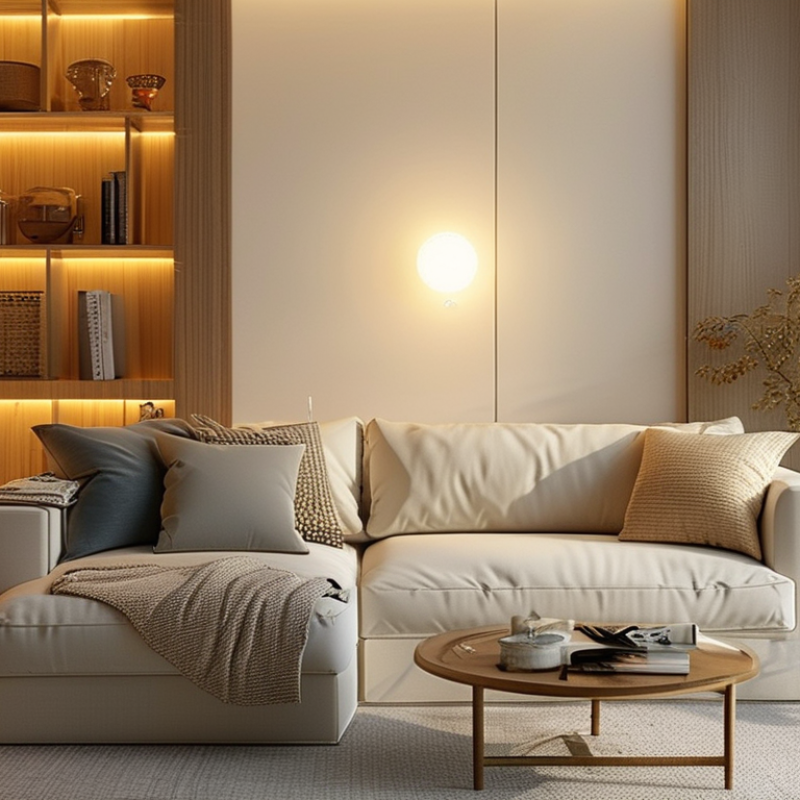
Warm white and cool white lighting differ significantly in their color temperature and application. Warm white lighting has a color temperature between 2700K and 3000K. It creates a cozy and inviting atmosphere. This type of lighting mimics the glow of traditional incandescent bulbs. Studies show that people prefer warm white lighting in residential settings. It promotes relaxation and comfort in living spaces, according to a report by the Lighting Research Center.
On the other hand, cool white lighting ranges from 4000K to 5000K. Its bluish tint makes spaces feel energetic and vibrant. Cool white is often recommended for workspaces, such as offices and kitchens. Research highlights that this lighting enhances concentration and productivity. However, it can feel harsh if overused or improperly placed. Finding the right balance is crucial. A mix of both lighting types might be necessary depending on the space and intended mood.
Lighting impacts our emotions and productivity. The right choice between warm and cool white can influence the quality of our daily activities. Understanding these differences aids in creating spaces that suit our needs and preferences while also considering their psychological effects.
When choosing lighting, color temperature plays a vital role. Warm white light, ranging from 2700K to 3000K, creates a cozy atmosphere. It mimics the glow of sunrise, perfect for living rooms and bedrooms. This type of lighting is often preferred in spaces where relaxation is key. However, too much warm light can make a room feel dull.
Cool white light, on the other hand, typically falls between 3500K to 4100K. It’s brighter and promotes alertness, ideal for kitchens and workspaces. This light has a crisp, clean quality. Yet, excessive cool light can lead to a sterile environment, possibly affecting mood. Balancing these temperatures is essential for creating the right ambiance.
Understanding color temperature is important for effective lighting design. While warm light feels inviting, cool light enhances focus. Assessing your needs can guide you in making the right choice. Reflecting on your space can lead to better decisions. What do you want your lighting to say about you?
Warm white lighting creates a cozy atmosphere. It is perfect for spaces where relaxation is key. Bedrooms and living rooms benefit from warm tones. These lights mimic the glow of candlelight or a fireplace. They promote comfort and help you unwind after a long day.
Cool white lighting, in contrast, is often used in workspaces. It boosts focus and alertness. Think about offices and kitchens where tasks require precision. The brightness can enhance visibility and overall productivity. However, cool white can sometimes feel too harsh if overused. Striking a balance is crucial.
Choosing the right lighting is not just technical. It involves understanding the emotions each type can evoke. Personal preferences play a role. For instance, warm lighting may feel nostalgic for some. Others might prefer a bright, clean environment. Reflecting on these factors can lead to the best choices for your spaces.
Cool white lighting is known for its bright, crisp tone. This type of lighting is often used in spaces requiring attention to detail. It enhances visibility and clarity, making it ideal for workspaces, garages, and retail environments. The bluish hue of cool white light can energize a room, fostering productivity and focus. Many businesses choose cool white lighting for its practicality.
In contrast, cool white lighting may be too harsh for intimate settings. Restaurants or cozy homes may benefit more from warm white lighting. However, cool white light can be effective in healthcare facilities. It aids in creating an alert environment for both patients and staff. It can also provide a clearer view for medical procedures.
Consider the specific needs of your space before choosing. Some people find cool white lighting too clinical. Others feel it promotes a positive atmosphere. Before making a decision, test the lighting in your environment. Evaluate how it interacts with colors and textures. The right lighting can transform a space, so careful selection is key.
When choosing between warm white and cool white lighting, it's essential to consider both your needs and preferences. Warm white light creates a cozy and inviting atmosphere. It is ideal for living rooms, dining areas, and bedrooms. This type of lighting enhances skin tones, creating a comfortable zone for relaxation. Imagine a soft glow during family gatherings or quiet evenings—it sets the mood perfectly.
On the other hand, cool white light is more energizing and vibrant. It works well in spaces requiring focus, such as kitchens and offices. Bright, crisp lighting can enhance visibility, making tasks easier. However, overuse of cool lighting can lead to a sterile ambiance, which might feel uncomfortable over long periods. Balancing the two lighting types can be a challenge. You may find yourself needing more warm light in winter and leaning towards cool light in the summer. Remember that both options have their strengths and weaknesses. Ultimately, the best choice aligns with your lifestyle and the functionality of your space.
| Lighting Type | Color Temperature (Kelvin) | Best Uses | Mood/Ambiance | Energy Efficiency |
|---|---|---|---|---|
| Warm White | 2700K - 3000K | Living rooms, bedrooms, restaurants | Cozy, relaxation | Moderate |
| Cool White | 4000K - 5000K | Kitchens, offices, workspaces | Bright, focused | High |
| Daylight | 5000K - 6500K | Bathroom, reading areas, outdoor | Energizing, alertness | Very High |
: Warm white lighting has a color temperature between 2700K and 3000K. It creates a cozy atmosphere for homes.
Use cool white lighting in workspaces, kitchens, and retail environments. It enhances focus and visibility.
Warm white lighting promotes relaxation and comfort. It mimics the glow of traditional incandescent bulbs.
Yes, cool white lighting can feel too harsh if overused. Proper placement is essential for the right effect.
Lighting impacts our mood and productivity. The right choice can enhance daily activities and overall well-being.
Consider the specific needs of your space. Test how the light interacts with colors and textures before deciding.
Some may find cool white lighting too clinical for intimate settings. It's important to evaluate each space carefully.
Yes, a combination of warm and cool lighting may be necessary. It helps create the desired mood in various spaces.
In exploring the question of "what is the difference between warm white and cool white lighting," it is essential to understand the concept of color temperature, which is measured in Kelvin (K). Warm white lighting, typically ranging from 2700K to 3000K, emits a soft, yellowish glow that creates a cozy and inviting atmosphere, making it ideal for living rooms, bedrooms, and dining areas. Conversely, cool white lighting, with a color temperature of 4000K to 5000K, produces a brighter, bluish hue that is more energizing and is best suited for workspaces, kitchens, and areas requiring higher visibility.
In selecting the right lighting, it’s critical to consider the intended application and personal preferences. Warm white lighting fosters relaxation and comfort, whereas cool white lighting enhances focus and clarity. Understanding these differences can significantly influence the ambiance of a space and improve overall well-being.

VELORIQ Lighting