LED lights have transformed the lighting industry, known for their efficiency and longevity. However, understanding what causes LED lights to fail is crucial for consumers and professionals alike. According to the Department of Energy, LED products have a lifespan of up to 50,000 hours, but many users experience premature failures. This discrepancy often results from factors such as overheating, poor quality components, and improper installation.
Overheating is a leading cause of LED light failure. Excessive heat can damage electronic components, leading to reduced performance. Quality matters, too. A study from the Lighting Research Center found that low-cost LEDs frequently use subpar materials. These products are often less reliable and prone to early failure. Moreover, improper installation can create issues such as loose connections, affecting long-term operation.
Addressing these failures requires both expertise and attention to detail. Regular maintenance, correct installation techniques, and choosing high-quality products can significantly extend the life of LED lighting. Recognizing the common issues is an essential step toward reducing replacements and enhancing performance.
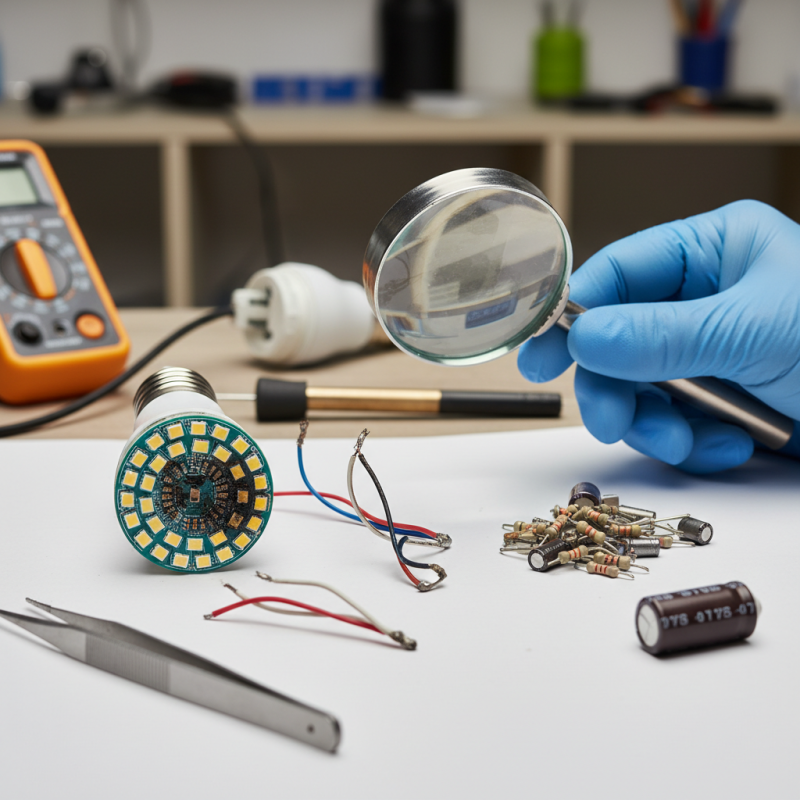
Common Causes of LED Light Failure
LED lights are known for their longevity, yet they can still fail. Common causes of failure include overheating, electrical surges, and poor quality components. A study from the Lighting Research Center reveals that 25% of LED failures stem from thermal management issues. When LEDs overheat, their lifespan significantly decreases. Proper heat dissipation is crucial to maintain optimal performance. Many installations neglect adequate ventilation, leading to premature failures.
Another significant factor is the power supply. Inconsistent voltage can harm LED drivers, which are essential for regulating current. Research indicates that about 15% of LED failures relate to power supply issues. Low-quality drivers can cause flickering or complete failure. Using reliable power supplies can mitigate these risks effectively.
Poor manufacturing processes also contribute to failures. Reports show that around 10% of LED failures are due to substandard materials and inadequate testing. Ensuring that components meet industry standards is critical. Without rigorous quality control, even the best-designed LEDs can underperform. It's essential to consider these factors for a successful lighting solution.
Common Causes of LED Light Failure
Signs That Indicate Your LED Lights Are Failing
When it comes to LED lights, there are clear signs that indicate a looming failure. A notable signal is flickering. If your LED lights start to blink or flicker unexpectedly, it’s often a precursor to failure. This disruption can point to issues with the wiring or even the bulb itself. Observing color shifts is another crucial indicator. If your LED lights start to emit a different hue or warmth, it may suggest an underlying issue that needs immediate attention.
Another sign to watch for is dimming. When LEDs lose brightness, it may not simply be their lifespan ending. Electrical problems can also lead to this symptom. A power surge can cause LED lights to dim, compromising their efficiency. Moreover, an unusual buzzing or humming sound can signal an issue with the electrical circuit. These sounds may seem trivial, but they warrant inspection. Ignoring these signs could lead to more significant problems in the long run, potentially resulting in complete failure. Addressing these symptoms early can extend the life of your LED lighting and maintain a reliable atmosphere in your home or workplace.
Step-by-Step Troublehooting Guide for LED Lights
LED lights are popular due to their longevity and efficiency. However, they can still fail. Common causes include overheating, poor wiring, and driver issues. A study from the Department of Energy highlights that nearly 20% of LED failures are due to thermal management problems. This emphasizes the need for proper heat dissipation in your lighting setup.
To troubleshoot LED lights, start by checking the power supply. Ensure the voltage matches the light requirements. Inspect all connections for loose wiring. A good practice is to conduct a visual inspection for burnt-out components or corrosion. If you find no issues with the power, check the driver. Driver failures can account for up to 30% of LED light malfunctions. If you're comfortable, test the driver’s output with a multimeter.
Finally, if your LED lights flicker or dim, it might be due to incompatible dimmers. Replacing a dimmer switch with an LED-compatible version can resolve the issue. Regular maintenance can prevent many problems. Reassessing your setup can uncover overlooked mistakes. Addressing these concerns can extend the life of your LED lights significantly.
What Causes LED Lights to Fail and How to Fix Them?
| Failure Causes |
Symptoms |
Solutions |
| Overheating |
Flickering or dimming lights |
Ensure proper ventilation and use heat sinks |
| Electrical Surges |
Sudden light failures |
Install surge protectors |
| Faulty Drivers |
Lights do not turn on |
Replace the LED driver |
| Poor Quality Components |
Inconsistent brightness |
Use higher quality LED lights |
| Moisture Damage |
Corrosion on contacts |
Seal fixtures and ensure proper waterproofing |
How to Replace LED Light Components Effectively
LED lights are popular for their energy efficiency, but they can fail. Understanding the components helps in effective replacement. When an LED light fails, the issue often lies within the driver, chips, or connections. A faulty driver can disrupt power, causing dimming or flickering. Inspect the driver for signs of damage, such as burned components or discoloration.
Replacing LED components requires care. Start by ensuring the light is disconnected from power. Remove the cover and identify the troubled component. For driver replacement, note the specifications, such as voltage and wattage. This ensures compatibility with your new driver.
If the LED chip itself is dim, it may require individual replacement. Gently desolder the old chip and solder in a new one. This process requires steady hands and practice.
While knowledge is essential, mistakes can happen. A misaligned connection can lead to further issues. Testing the light after each replacement step is crucial. Adjustments might be needed to ensure optimal performance. Reflections on failures can guide future repairs. Learning from each attempt builds experience and confidence in your LED maintenance skills.
Preventative Measures to Extend LED Light Lifespan
LED lights are known for their durability, but they can still fail. Understanding how to extend their lifespan is crucial. Preventative measures can make a significant difference.
One effective way to enhance LED longevity is proper heat management. LEDs generate heat during operation. If heat isn’t dissipated effectively, it can shorten their life. Ensure adequate ventilation in fixtures. Consider using heatsinks to draw heat away from the LEDs.
Another approach is to regulate voltage. Overvoltage can cause premature failure. Use high-quality drivers that provide stable power. Check connections regularly to avoid any loose wires. This simple step can prevent flickering and extend the lifespan of your lights.
Lastly, choose the right environment. Avoid installing LED lights in overly humid or dusty areas. Dust buildup can impede cooling, while humidity can lead to corrosion. Cleaning fixtures regularly ensures optimal performance. Taking these steps can lead to longer-lasting, reliable lighting solutions.
FAQS
: LED lights can fail due to overheating, electrical surges, and poor quality components.
Overheating can significantly decrease LED lifespan. Proper heat dissipation is crucial for their performance.
Inconsistent voltage can harm LED drivers. This can cause flickering or complete failure in LEDs.
Research shows about 15% of LED failures relate to power supply problems.
Substandard materials or inadequate testing can lead to failures. Around 10% of failures stem from these issues.
Ensure the light is disconnected from power before replacement. Inspect the driver for damage carefully.
Effective heat dissipation prevents shorter lifespans. Use heatsinks and ensure good ventilation in fixtures.
Avoid overly humid or dusty areas, as they can lead to failures.
Cleaning fixtures regularly helps with cooling efficiency. This can prevent premature failures.
Test the light after each replacement. Adjustments may be necessary for optimal performance.
Conclusion
LED lights are widely used for their energy efficiency and longevity, but they can still fail due to various reasons. Understanding what causes LED lights to fail is crucial for effective troubleshooting. Common causes include overheating, poor power supply, and improper installation. Signs of failure may manifest as flickering, dimming, or complete outages.
To address these issues, a step-by-step troubleshooting guide can help identify the root cause, whether it be a faulty driver or burned-out components. Replacing LED components can often restore functionality, and implementing preventative measures, such as ensuring proper ventilation and using compatible fixtures, can significantly extend the lifespan of LED lights. Taking these steps can help maintain optimal performance and prevent premature failures in LED lighting systems.

 VELORIQ Lighting