As energy costs rise, many homeowners seek ways to save on their electricity bills. A common question arises: can LED lights reduce electricity bills? These lights are known for their efficiency. They use less energy than traditional bulbs, making them appealing to budget-conscious consumers.
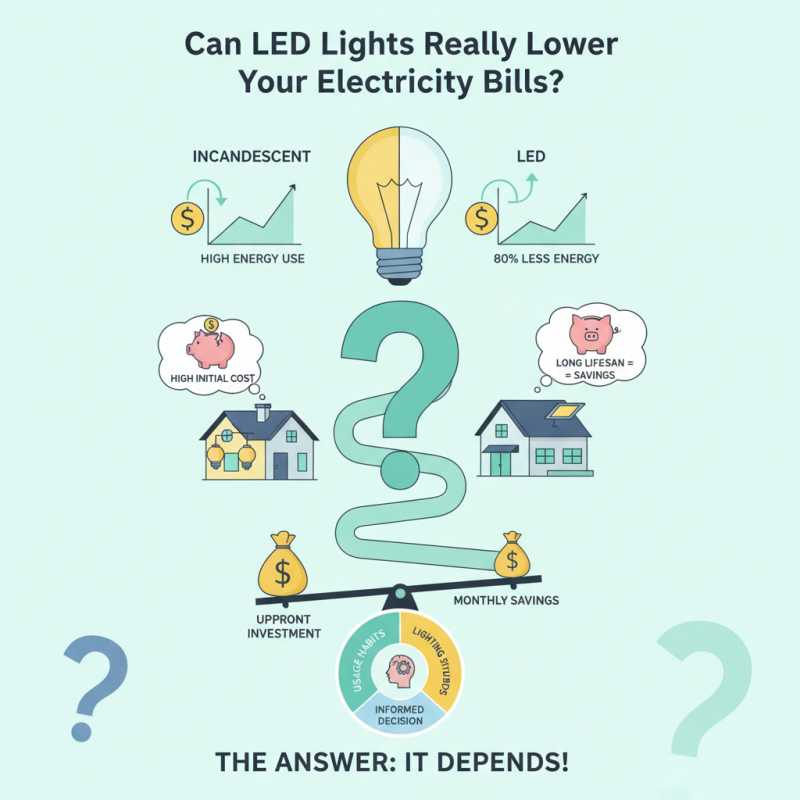
Switching to LED lights could potentially lower monthly expenses. Studies show LED lights consume up to 80% less energy than incandescent bulbs. This significant difference raises hopes for many. However, some may wonder about initial investments. While LED lights are more expensive upfront, their long lifespan can offset this cost.
Incorporating LED lighting into homes is a step toward energy savings. Still, individual results vary based on usage and lighting needs. It's essential to evaluate personal circumstances. By understanding energy consumption, homeowners can make informed decisions. Ultimately, the question remains: can LED lights truly reduce electricity bills? The answer may depend on each person's situation and how they implement these energy-efficient solutions.
Understanding LED Technology and Its Efficiency Advantages
LED lights have gained popularity due to their efficiency. Understanding LED technology reveals significant advantages over traditional lighting options. According to the U.S. Department of Energy, switching to LED lighting can save up to 75% in energy costs compared to incandescent bulbs. This means that switching to LEDs not only lowers bills but also reduces greenhouse gas emissions.
LEDs use diodes to produce light. This process requires much less energy than heating a filament, which is how incandescent bulbs work. A typical LED bulb lasts about 25,000 hours. This longevity translates into less frequent replacements, further reducing overall costs. However, the initial investment might seem higher, leading some consumers to hesitate.
Tips: Consider the long-term savings when purchasing LED lights. Calculate the potential reduction in your energy bill over time. Even if the upfront cost is higher, the efficiency pays off. As technology advances, prices are likely to drop, making them a more attractive option. Keep in mind that not all LEDs are created equal; check for certifications to ensure quality.
Comparative Analysis: LED vs. Traditional Lighting Cost Efficiencies
LED lighting has rapidly gained popularity as an energy-efficient alternative to traditional incandescent bulbs. Studies show that LED bulbs consume up to 80% less energy than their incandescent counterparts. A report from the Department of Energy indicates that by switching to LED, households can save up to $225 annually on electricity bills. This significant cost reduction is coupled with a longer lifespan. LEDs can last up to 25,000 hours, while traditional bulbs typically last only 1,000 hours.
Additionally, the initial cost of LED lights may concern some consumers. Yet, analyzing long-term usage uncovers substantial savings. Over their lifespan, LED bulbs can provide nearly $2,000 in energy savings when compared to incandescent lights. However, the higher upfront price could deter immediate adoption. For some, the choice between cheaper options and long-term savings raises questions about budget and sustainability.
These insights showcase how LED technology can effectively lower electricity costs. Yet, there remains a need for ongoing awareness. Not all LEDs are created equal; quality varies significantly among manufacturers. Consumers should research before purchasing to ensure they're making a sound investment. This nuanced analysis of energy efficiency invites reflection on both immediate and long-term financial planning in lighting choices.
Real-World Case Studies on LED Lighting Impact on Electricity Bills
LED lighting has gained attention for its potential to reduce electricity costs. Many homeowners report observing significant savings after making the switch. For instance, a family in a suburban neighborhood noticed a 30% reduction in their monthly electric bill. This reduction came after they replaced their old incandescent bulbs with LED lights throughout their home.
In a commercial setting, a local retail store turned to LED lighting and saw even more impressive results. They reported a 40% drop in energy consumption. The store manager stated that the brighter light improved merchandise visibility, encouraging customer purchases. Although the initial investment for LED lighting can be higher, these real-world cases highlight the long-term financial benefits.
However, not all installations are the same. Some properties may not experience the same level of savings. Factors like lighting placement and usage patterns play a role. It’s essential for each consumer to assess their situation carefully. A one-size-fits-all approach might lead to disappointment. Evaluating energy needs and potential savings is key to understanding the real impact of LEDs on electricity bills.
Impact of LED Lighting on Electricity Bills
This chart illustrates the average monthly electricity costs associated with traditional bulbs versus LED bulbs. As shown, switching to LED lighting can result in significant savings, with LED bulbs costing approximately $30 per month compared to $60 for traditional bulbs.
The Role of Government Incentives in Promoting LED Adoption
Government incentives play a crucial role in promoting LED adoption. Various programs offer rebates and tax credits to encourage consumers to switch to LED lighting. According to the Department of Energy, LED lights use at least 75% less energy than traditional incandescent bulbs. This significant reduction can lead to lower electricity bills for households.
In 2020, the U.S. government estimated that widespread use of LED lights could save about $6 billion annually. However, the initial cost of LED bulbs can deter some users. Without financial incentives, many may continue to rely on older lighting technologies. It’s essential to address these barriers to ensure wider acceptance of energy-efficient lighting.
Moreover, local programs vary widely in effectiveness. Some regions have robust initiatives, while others lack resources. This inconsistency can create confusion. Not all consumers are aware of the benefits or available assistance. Local governments must improve communication on these incentives to foster a more informed public.
Future Trends: Advancements in LED Technology and Cost Savings Potential
Recent advancements in LED technology have transformed lighting efficiency.
According to the U.S. Department of Energy, LED lights use at least 75% less energy than traditional incandescent bulbs.
This significant reduction can lead to substantial cost savings on electricity bills over time.
For instance, replacing traditional bulbs with LEDs in an average home can save about $225 annually.
Innovations in LED design and manufacturing processes have increased their lifespan.
You can expect LED lights to last up to 25,000 hours.
This longevity translates into fewer replacements and lower maintenance costs.
However, some users report that initial costs for LED products can be high.
It raises questions about immediate affordability versus long-term savings.
Moreover, integrating smart LED technology can further enhance savings.
Smart bulbs enable users to control and schedule lighting remotely, optimizing energy usage.
Reports suggest that smart lighting systems may save an additional 10-30% of energy consumption.
While this technology is promising, not all consumers have adopted it.
Some find the technology confusing or expensive.
Addressing these barriers could be crucial for wider acceptance and even greater savings potential in the future.
Conclusion
The article "Can LED Lights Really Lower Your Electricity Bills?" explores the efficiency advantages of LED technology compared to traditional lighting systems. It delves into a comparative analysis highlighting the cost efficiencies of LEDs, demonstrating that their lower energy consumption can indeed significantly reduce electricity bills. Real-world case studies further support the assertion that can LED lights reduce electricity bills, showcasing the financial benefits experienced by users who have made the switch.
Additionally, the role of government incentives in promoting the adoption of LED lighting is examined, revealing how these initiatives can enhance the overall savings for consumers. As advancements in LED technology continue to emerge, the potential for even greater cost savings is on the horizon, indicating a promising future for those looking to minimize their energy expenses through efficient lighting solutions.

 VELORIQ Lighting