Effective maintenance of LED indoor lights is crucial for optimal performance. According to John L. Peterson, a lighting expert with over 20 years of experience, "Understanding how to maintain LED indoor lights can significantly extend their lifespan." His insights highlight the importance of regular care for these energy-efficient lighting solutions.
Maintaining LED lights is simpler than it seems. Regularly dusting bulbs and fixtures helps prevent light loss. Checking for loose connections can also improve efficiency. Some people overlook the significance of using appropriate dimmers and switches. These can enhance functionality and longevity. Many users might not realize the impact of environment. High heat or humidity can shorten performance.
While the basics are straightforward, some challenges arise. Users must be aware of different LED types and their specific needs. Not all products are created equal, and misinformation can lead to mistakes. In the pursuit of optimal lighting, awareness and proper techniques are essential steps. By focusing on practical strategies, anyone can ensure their LED lights shine brightly and last longer.
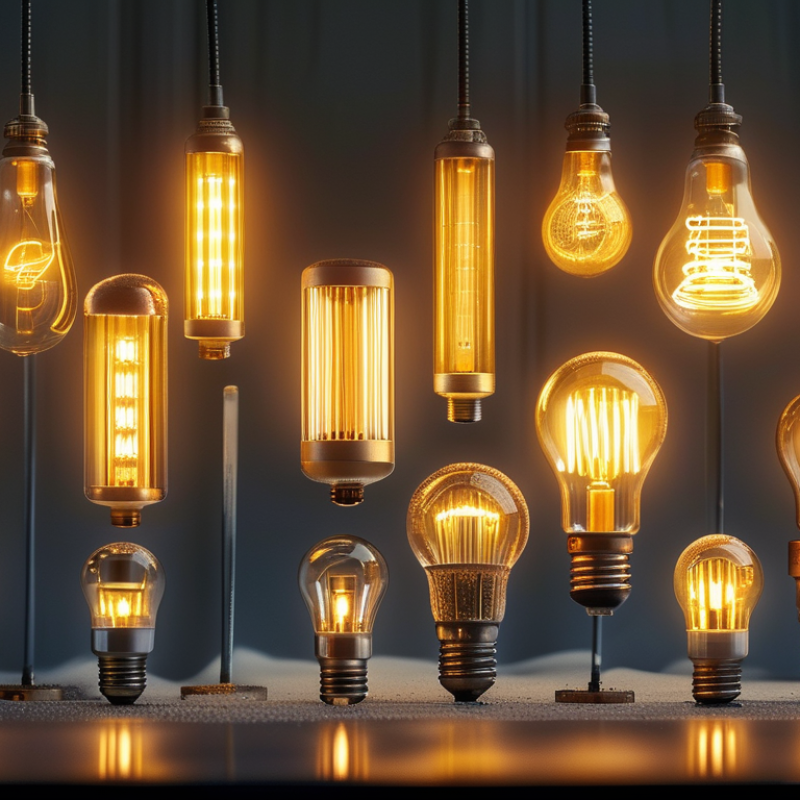
LED indoor lights have transformed modern lighting with their unique benefits. They consume up to 75% less energy than traditional incandescent bulbs. According to a report by the U.S. Department of Energy, LED lighting can last 25 times longer. This longevity reduces the frequency of replacements and minimizes waste. Understanding these advantages leads to more informed choices.
To maximize efficiency, avoid using dimmers with non-compatible LED lights. Improper compatibility can lead to flickering, resulting in unnecessary stress on the bulb. Regularly dust your fixtures to ensure optimal light output. A simple clean can improve brightness by up to 30%.
Before replacing all bulbs, assess the need for each room. Some spaces may benefit from warmer tones, while others thrive on cooler options. Not all areas require the same type of lighting. Adjusting lighting based on activities can enhance functionality and comfort. Remember, efficient lighting isn't just about savings; it's about creating an inviting atmosphere.
Maintaining indoor LED lighting is essential for longevity and optimal performance. Industry reports indicate that proper maintenance can enhance LED lifespan by 50%. Regular cleaning of fixtures prevents dust buildup, which can affect luminosity. A soft, damp cloth is effective for this task, ensuring the LEDs emit their full brightness.
Temperature regulation plays a critical role in LED functioning. LEDs operate best between 20-25°C (68-77°F). Excessive heat can reduce their lifespan. Installing LEDs in well-ventilated areas can mitigate overheating. Additionally, it’s advisable to check for signs of flickering or dimming lights, which might indicate issues.
Tips: Schedule maintenance checks every six months. This can help identify potential problems early. Consider using smart lighting to monitor energy consumption and detect faults. Regular assessments will ensure that your indoor lighting remains effective and efficient, reinforcing both your space's functionality and aesthetic appeal.
| Maintenance Practice | Frequency | Benefits | Recommended Tools |
|---|---|---|---|
| Dust and Clean Fixtures | Monthly | Improves light output and efficiency | Microfiber cloth, soft brush |
| Inspect Wiring and Connections | Quarterly | Ensures electrical safety and proper function | Multimeter, screwdriver |
| Replace Faulty Bulbs | As needed | Maintains consistent lighting levels | Replacement bulbs |
| Check for Flickering | Bi-Annually | Identifies potential electrical issues | Visual inspection |
| Install Dimmer Switches | Once per renovation | Enhances ambiance and energy savings | Dimmer switch, wiring tools |
When it comes to maintaining LED indoor lights, effective cleaning techniques play a crucial role. Dust and grime can diminish the brightness and efficiency of LED fixtures. A recent report by the Lighting Research Center indicates that regular cleaning can improve light output by up to 25%. Utilizing the right tools is essential; microfiber cloths are effective for gentle cleaning without scratching surfaces.
Begin by turning off and unplugging all fixtures. This step ensures safety while working. A mixture of water and isopropyl alcohol can effectively remove stubborn stains. Avoid abrasive cleaners and scrubbing pads, as these can damage the lens. Regularly inspect your fixtures for any signs of wear or damage. Accumulated dirt can exacerbate issues, leading to more significant maintenance challenges later.
Interestingly, many users overlook the importance of cleaning schedules. Some studies show that focusing solely on the aesthetics of lighting disregards operational efficiency. For optimal performance, develop a routine cleaning schedule based on usage frequency. This practice not only keeps your spaces looking great but also supports the longevity and functionality of your LED lights.
When it comes to maintaining LED indoor lights, energy efficiency is essential. Choosing the right brightness is a valuable step. Over-illumination can waste energy and reduce the lifespan of bulbs. Consider using dimmers for adjustable lighting. This also creates a cozy atmosphere in your space.
Regular cleaning is crucial too. Dust accumulation can lessen brightness and efficiency. Wipe your fixtures with a soft cloth weekly. Be careful with products that could damage surfaces. Sometimes, removing the bulb for a deep clean can help. Just ensure the power is off before you do so.
Using timers or smart controls can enhance efficiency. These tools help reduce unnecessary usage. Yet, improper programming may lead to unplanned power use. Balance is key here. Get insights from energy bills to reassess your habits. This helps in aligning your lighting strategy with energy-saving goals.
LED indoor lights are efficient and long-lasting, but they can encounter issues. Understanding common problems is essential for effective maintenance. One common issue is flickering, which can be annoying. It often occurs due to poor connections or incompatible dimmers.
**Tip:** Check all connections. Loose wires may cause flickering. If using dimmers, ensure they are compatible with LED lights. This simple step can save you from frustration.
Another issue is overheating. LEDs generate less heat than traditional bulbs, but they still can overheat in enclosed fixtures. This impacts their lifespan. Always ensure adequate ventilation around your LED lights.
**Tip:** Regularly inspect your fixtures. Dust can accumulate, blocking airflow. Clean them carefully to avoid overheating. Staying proactive helps maintain optimal performance.
Finally, unexpected color changes can occur. Your LED lights might shift from cool white to a warmer hue over time. This could indicate aging components or poor quality.
**Tip:** If you notice significant shifts in color, consider replacing the bulbs promptly. This ensures consistent lighting and prevents disruptions in your space. Regular check-ups can optimize the lifespan and efficiency of your LED lights.
: LED lights can consume up to 75% less energy than traditional bulbs.
LED lights can last 25 times longer than incandescent bulbs.
Regularly clean fixtures to enhance brightness. Use a soft, damp cloth for the task.
LEDs work best between 20-25°C (68-77°F). This ensures optimal performance.
Flickering can arise from loose connections or incompatible dimmers.
Overheating in enclosed fixtures can shorten the lifespan of LED lights.
It is best to schedule maintenance checks every six months for optimal performance.
Aging components or poor quality can cause LEDs to shift color over time.
Always check if the dimmers are compatible with LED lights to avoid issues.
Smart lighting can help monitor energy use and detect faults for better upkeep.
Maintaining LED indoor lights is essential for ensuring their longevity and efficiency. Understanding LED indoor lights and their benefits lays the foundation for successful upkeep, highlighting their energy-saving capabilities and longer lifespan compared to traditional lighting options. Essential maintenance practices include regular inspections and proper handling, which can significantly enhance performance.
To further optimize how to maintain LED indoor lights, employing effective cleaning techniques is vital. Dust and debris should be carefully removed using appropriate methods to prevent light dimming. Implementing best practices for energy efficiency not only prolongs the life of the fixtures but also reduces electricity costs. Finally, being aware of common issues and troubleshooting tips can help quickly address any problems, ensuring your LED lights continue to shine brightly and effectively for years to come.

VELORIQ Lighting