In the world of interior design, lighting plays a crucial role. According to renowned lighting designer Thomas Garrison, "Good lighting is not just about illumination; it’s about creating mood." If you're wondering how to improve home lighting design, Garrison’s insights serve as a solid starting point.
Many homeowners overlook the importance of layered lighting. It can transform any space into a warm and inviting environment. Explore using ambient, task, and accent lighting. This approach enhances functionality while adding character to your home. Poor lighting choices can lead to dull and lifeless rooms.
Moreover, choosing the right fixtures can make a difference. Consider the style of your home and the atmosphere you wish to create. Utilizing dimmers can also provide flexibility, allowing you to adjust brightness for different occasions. Reflect on your current lighting setup. Are you maximizing its potential? These reflections can lead to meaningful improvements in your home’s overall design.
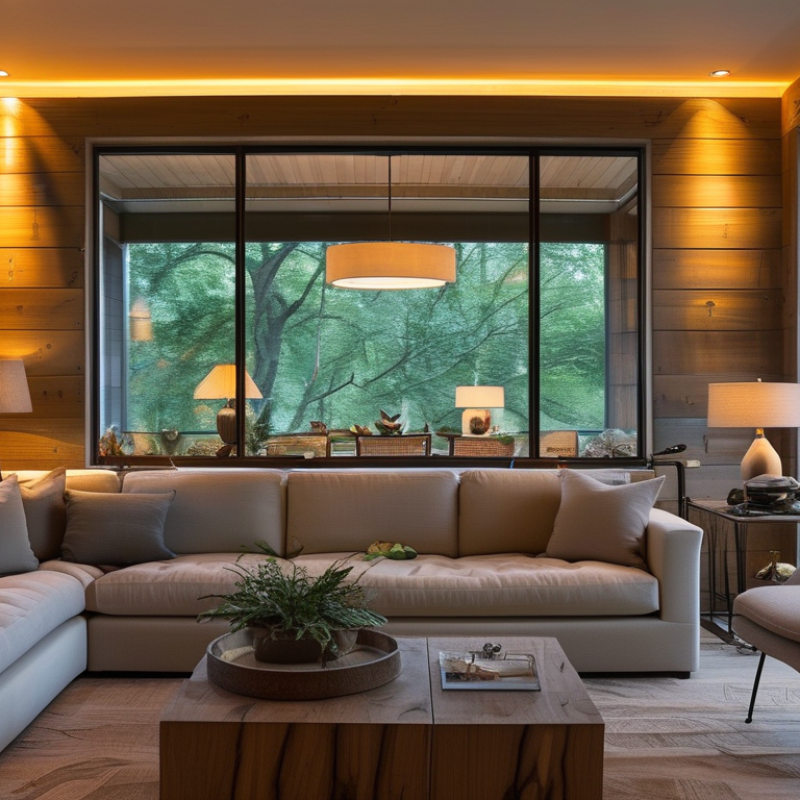
Identifying the purpose of each room is crucial for effective lighting design. For instance, kitchens need
bright task lighting for cooking. Overhead lights paired with under-cabinet lights can elevate functionality. In contrast,
living rooms should have ambient lighting for relaxation and social interactions. Consider using
dimmers to easily adjust the mood.
Another consideration is the bedrooms, which require softer, more intimate lighting. Bedside lamps with warm hues
can create a calming atmosphere. It’s essential to think about how each light fits the room's purpose. Think about shadows and angles. Poorly placed lights
can create unfavorable dark spots.
Consider using layered lighting. Combine ambient, task, and accent lights to enhance each space. Layering adds depth
to your rooms. For example, in an office, desk lamps can provide focused light while ceiling fixtures add warmth. Tailoring your lighting solutions this way
needs some trial and error. Not every design will work on the first try. Keep adjusting until you find what feels right.
Lighting can transform a space. Understanding different types of lighting is essential for effective home design. Ambient lighting provides overall illumination. It sets the mood in a room. Consider ceiling fixtures and wall-mounted lights for this purpose. Soft, warm light often creates a cozy atmosphere.
Task lighting focuses on specific areas. It aids in performing tasks like reading or cooking. Table lamps and under-cabinet lights are perfect for this. Position them strategically to avoid shadows.
Accent lighting highlights features like artwork or architectural details. It adds depth and interest to a room. Wall sconces and spotlights are great choices.
Balancing these lighting types can be challenging. It’s easy to overemphasize one style. Experiment with layers to see what works best. Sometimes, an under-lit corner can feel cold. Oversized fixtures can overwhelm a small space. Take time to reflect on what your lighting says about your home.
Natural light plays a crucial role in home lighting design. It can transform indoor spaces, making them feel more open and inviting. To utilize natural light effectively, start by assessing your home's layout. Identify which rooms receive the most sunlight and explore ways to enhance that light.
Consider using sheer curtains instead of heavy drapes. Sheer fabrics allow light to pass through while still offering privacy. Mirrors can also amplify natural light. Position them opposite windows to reflect light into darker corners. Open floor plans can help distribute light throughout the home, but they might also lead to challenges in maintaining warmth. Think about how you can mitigate this.
It's essential to be mindful of seasonal changes. The sun's path shifts throughout the year, leading to variations in light quality and quantity. Some rooms may become overly bright during summer, while others might feel gloomy in winter. Experiment with different layouts or decorative elements to balance these effects. Embrace imperfections and adapt your approach as needed. Natural light is a dynamic element that requires ongoing adjustment to truly enhance your living space.
When selecting fixtures and bulbs, consider your space's specific needs. Lighting design varies greatly between rooms. A kitchen requires bright, focused lighting, while a living room benefits from softer, ambient light. Research shows that light levels can impact mood and productivity. The American Society of Interior Designers cites that well-lit spaces increase comfort and efficiency by up to 30%.
Choosing the right bulb is equally critical. LED bulbs are energy-efficient and can last up to 25,000 hours. However, not all LED options provide the same warm glow as traditional incandescent bulbs. Incorporating dimmers can enhance flexibility, allowing you to adjust brightness according to the time of day or occasion. In a survey, 42% of homeowners reported dissatisfaction with their lighting choices, often due to insufficient planning or poor fixture selection.
Additionally, layering different types of lighting can create depth. Combining ambient, task, and accent lights brings texture to a space. Use warm-toned bulbs in cozy areas, like bedrooms, for a restful atmosphere. Some fixtures may dominate a room visually, overshadowing smaller lighting elements. This imbalance can be unintentional, yet it often makes a space feel disjointed. It's critical to reflect on these details to achieve harmony in your design.
This chart displays the effectiveness of different types of lighting fixtures utilized in home design. The data shows how various lighting types contribute to overall home aesthetics and functionality. Each category highlights the percentage of effectiveness as perceived by homeowners.
Incorporating dimmers and smart technology elevates living spaces in remarkable ways. Dimmers allow you to adjust light intensity, creating a cozy ambiance or a bright, energizing environment. This flexibility enhances the usability of rooms, accommodating various activities from reading to entertaining. Dimmer switches can be easily installed and are a cost-effective way to upgrade your home's lighting design.
Smart technology takes this a step further. With smart bulbs and apps, you can control lighting from anywhere. Change colors, set schedules, or create specific moods with just a tap. Imagine hosting a dinner party while adjusting the lights seamlessly without leaving the table. However, implementing smart lighting can be daunting. It requires a basic understanding of home technology and network setup.
Maintaining simplicity is key. Overcomplicating lighting systems can lead to frustration rather than convenience. Experiment with different settings to find what works best for you. Ensure all family members understand how to use these technologies. Reflections on your own lighting needs will lead to a more tailored approach, transforming your home into a sanctuary of comfort and style.
| Tip | Description | Benefits |
|---|---|---|
| Incorporate Dimmers | Allow adjustable brightness to create the perfect ambiance. | Energy savings, enhanced mood, and flexibility in lighting. |
| Use Smart Lighting | Integrate smart bulbs that can be controlled via apps or voice. | Convenience, remote access, and automated lighting options. |
| Layer Your Lighting | Combine ambient, task, and accent lighting for depth. | Improved functionality and aesthetic appeal in all spaces. |
| Consider Color Temperature | Select bulbs with varying temperatures to suit different rooms. | Enhanced comfort and mood alignment with activities. |
| Utilize Natural Light | Maximize windows and skylights to bring in daylight. | Reduces energy usage and improves well-being. |
| Add Task Lighting | Use focused lights for specific tasks like reading or cooking. | Increases safety and efficiency in work areas. |
| Play with Wall Colors | Choose paint colors that reflect and amplify light. | Creates a brighter and more inviting space. |
| Incorporate Mirrors | Use mirrors to reflect light and create illusions of space. | Makes rooms appear larger and brighter. |
| Install Motion Sensors | Use sensors to automatically turn lights on or off. | Enhances convenience and improves energy efficiency. |
: Each room has specific needs. For example, kitchens need bright lights for cooking.
Living rooms should have ambient lighting. It creates a relaxing atmosphere for socializing.
Use bedside lamps with warm hues. This creates a more intimate and calming atmosphere.
Layered lighting combines ambient, task, and accent lights. It adds depth and functionality to spaces.
Dimmers allow you to adjust light intensity. This flexibility helps set the mood for various activities.
Smart tech lets you control lights remotely. You can change colors and set schedules easily.
It can be daunting. Understanding tech and network setup is necessary for smooth operation.
Keep it straightforward. Overcomplicating can lead to frustration instead of convenience.
Don’t be discouraged. Experiment and keep adjusting until it feels right for your space.
Understanding how to use lighting technology ensures everyone can enjoy the benefits.
To improve home lighting design, it's essential to identify the purpose of each room and create tailored lighting solutions that enhance functionality and aesthetics. Different types of lighting—ambient, task, and accent—should be explored to achieve a balanced and inviting atmosphere. Incorporating natural light effectively can further enhance indoor spaces, making them feel more open and welcoming.
When selecting fixtures and bulbs, consider designs that complement your overall interior style while also meeting the specific lighting needs of each area. Additionally, integrating dimmers and smart technology can provide versatile control over lighting, allowing for adjustments based on mood and activities. By following these tips on how to improve home lighting design, you can create a more attractive and practical environment in your home.

VELORIQ Lighting