When choosing indoor lighting, many overlook the significance of color temperature. Understanding "what color temperature is best for indoor lighting" can transform a space. Color temperature affects mood, productivity, and even health.
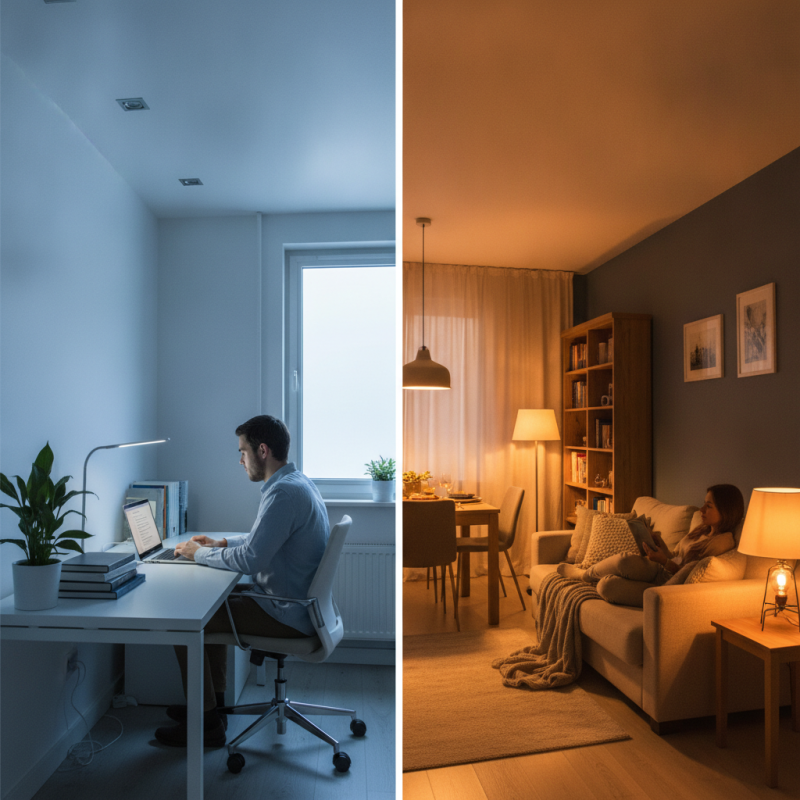
Cool light (5000K-6500K) resembles daylight. It enhances concentration. Ideal for workspaces and kitchens, cool light helps energize. On the other hand, warm light (2700K-3500K) creates a cozy atmosphere. This is perfect for living rooms and bedrooms. It's soothing and inviting.
Yet, not all settings are suited to a single temperature. Each room warrants a different approach. A dining area might benefit from a balance of both types. Finding that sweet spot can feel daunting. Experimenting with various bulbs and fixtures can lead to discovery. A personal touch is vital. Ultimately, the choice lies in how the lighting makes you feel.
Understanding Color Temperature and Its Importance in Indoor Lighting
Color temperature plays a crucial role in shaping the ambiance of interior spaces.
Measured in Kelvins (K), it directly affects how we perceive light and color around us.
Warmer tones, like 2700K, create a cozy, inviting atmosphere
ideal for relaxation areas. These hues evoke feelings of comfort, making them perfect for
living rooms or bedrooms.
On the other hand, cooler temperatures, such as 5000K, offer a more energizing effect.
They mimic daylight, enhancing focus and alertness. This makes cooler lights suitable for
workspaces and kitchens where productivity is vital. However, choosing the right color temperature can be tricky.
Too much cool light can feel harsh, while excessive warm light may cause drowsiness.
Understanding individual needs is key when selecting lighting options. It’s valuable to experiment with different temperatures
to find what feels best. Take time to observe how these variations impact mood and functionality.
Many factors, including personal preference and room purpose, influence these choices.
Balancing warmth and coolness is essential, yet it often requires thoughtful consideration.
The Kelvin Scale: How Color Temperature is Measured in Lighting
When it comes to indoor lighting, the Kelvin scale is crucial for understanding color temperature. This scale measures the warmth or coolness of light. Lower Kelvin values mean warmer, yellowish tones, while higher values indicate cooler, bluish vibes. For instance, a cozy living room might benefit from 2700K lighting, providing a warm, inviting atmosphere.
Tips: Always consider the function of the room. A bedroom may require softer lighting, around 3000K, to create relaxation. A workspace, on the other hand, can utilize 4000K or higher for better focus. Choose your lighting wisely to enhance your activities.
However, there can be challenges. You may find warm light in a dining area can feel too dim. Similarly, a cool kitchen light might feel harsh. Testing different bulbs can help identify the perfect match for your space. Understanding the Kelvin scale aids in making informed choices that suit your lifestyle and preferences.
Optimal Color Temperature for Different Indoor Spaces
Selecting the right color temperature for indoor lighting can significantly influence the ambiance of a space. In living rooms, a warm tone (like 2700K to 3000K) creates a cozy atmosphere. This encourages relaxation and makes gatherings feel intimate. However, too warm can make a room feel dull. Aim for a balance that feels inviting while still allowing for clarity.
In workspaces, cooler temperatures (around 4000K to 5000K) are often more appropriate. Bright, white light mimics daylight, promoting alertness and focus. But excessive coolness can lead to eye strain. It’s crucial to adapt lighting based on the tasks performed in the space. For example, reading areas may require softer light, while craft rooms benefit from brighter, clearer illumination.
Bathrooms usually benefit from a neutral tone, around 3000K to 4000K. This range provides sufficient light without harshness, ideal for grooming. However, using only overhead lights can create shadows. Adding warm sconces can reduce this problem, enhancing the overall lighting quality. Remember, lighting should be flexible and subject to personal preference.
Optimal Color Temperature for Different Indoor Spaces
Effects of Color Temperature on Mood and Productivity
Color temperature plays a significant role in our everyday environments. Warm light, around 2700K to 3000K, creates a cozy atmosphere. People often feel relaxed and invited in spaces lit this way. This warmth can enhance social interactions, making conversations more enjoyable.
On the other hand, cooler temperatures, like 5000K to 6500K, promote alertness. They mimic daylight, which boosts focus and productivity. Studying or working in these conditions can lead to better performance. However, some might find harsh lighting stressful or distracting. It’s essential to find a balance based on the task at hand.
Consider your needs and the mood you wish to create. Personal preferences vary greatly. What works for one person might not for another. Experiment with different color temperatures in your space. You might discover something unexpected that enhances your day-to-day life. Don’t shy away from making changes based on your experiences.
What Color Temperature is Best for Indoor Lighting Choices? - Effects of Color Temperature on Mood and Productivity
| Color Temperature (Kelvin) |
General Use |
Effects on Mood |
Effects on Productivity |
| 2700K - 3000K |
Warm White, Residential |
Creates a cozy and relaxing atmosphere |
Fosters comfort, may reduce alertness |
| 3500K - 4100K |
Neutral White, Offices |
Balanced and inviting atmosphere |
Encourages focus and productivity |
| 5000K - 6500K |
Cool White, Retail & Hospitals |
Stimulating and invigorating |
Increases alertness and concentration |
Choosing the Right Light Bulbs Based on Color Temperature
Choosing the right light bulbs based on
color temperature can significantly affect your indoor atmosphere. Color temperature is measured in
Kelvin (K), and understanding this can help in making
informed choices.
Warm white light (2700K to 3000K)
creates a cozy feel, perfect for living rooms and bedrooms. Its soft glow resembles traditional
incandescent bulbs. On the other hand, cool white light (3500K to 4100K)
provides a bright and energetic environment, suitable for kitchens and workspaces.
Lighting design is often overlooked, leading to mismatched choices. Using very cool lights in a
bedroom can create a harsh atmosphere, disrupting relaxation. Additionally, some individuals may
underestimate the impact of lighting on mood and productivity. For instance,
daylight bulbs (5000K to 6500K)
are excellent for reading and detailed tasks, but they can feel stark in a lounging area.
The challenge lies in balancing practicality and comfort.
Each space has its needs, requiring careful consideration of how color temperature influences daily activities.
FAQS
: A warm tone between 2700K and 3000K is best. It creates a cozy atmosphere that feels inviting.
Cooler temperatures around 4000K to 5000K mimic daylight, enhancing focus and alertness during tasks.
A neutral tone between 3000K and 4000K works well. It provides adequate light for grooming without harshness.
Yes, lighting significantly affects mood and productivity. Mismatched choices can disrupt relaxation and focus.
Avoid relying solely on overhead lights. Adding warm sconces can improve lighting quality and reduce shadows.
Each area has different needs. Overly warm lights can dull a room, while too cool lights may cause eye strain.
Yes, using very cool lights can disrupt relaxation. Softer, warmer lights are usually more calming.
Daylight bulbs (5000K to 6500K) are suitable for reading but can feel stark in lounging areas.
Overlooking the impact of color temperature often leads to mismatched lighting choices in various rooms.
Understand the color temperature in Kelvin. This knowledge helps create the desired ambiance in each space.
Conclusion
When considering what color temperature is best for indoor lighting, it’s essential to understand color temperature's role in creating the desired atmosphere within various spaces. The Kelvin scale measures color temperature, ranging from warm to cool tones. Warm light (2700K-3000K) is generally preferred for living areas, creating a cozy and inviting environment, while cooler light (4000K-5000K) is ideal for workspaces, enhancing focus and productivity.
Different indoor settings require specific lighting choices based on their purpose. For example, bedrooms benefit from warmer shades that promote relaxation, whereas kitchens and offices thrive under cooler temperatures that stimulate alertness. Additionally, the color temperature of light influences mood and cognitive functions, making it crucial to select the right light bulbs for optimal well-being. Ultimately, understanding the intricacies of color temperature empowers individuals to make informed decisions about their indoor lighting preferences.

 VELORIQ Lighting