The question "are LED lights energy efficient?" has sparked considerable debate in recent years. Data from the U.S. Department of Energy indicates that LED lights use at least 75% less energy than traditional incandescent bulbs. This significant reduction in energy consumption makes them an appealing choice for both consumers and businesses.
According to lighting expert Dr. Sarah Johnson, "The efficiency of LED technology can drastically reduce electric bills." Her insights underscore the growing trend toward sustainability in lighting. However, despite their advantages, some consumers still hesitate. The initial purchase cost of LED lights can be higher compared to traditional options. This raises concerns about their overall value and long-term efficiency.
Additionally, the performance of LED lights can vary significantly by brand and application. Some lower-quality products may not deliver the energy savings promised by industry leaders. Users often express frustration when they don't see the predicted outcomes. Understanding the nuances of LED technology is essential for making informed purchases that contribute to energy efficiency in the long run.
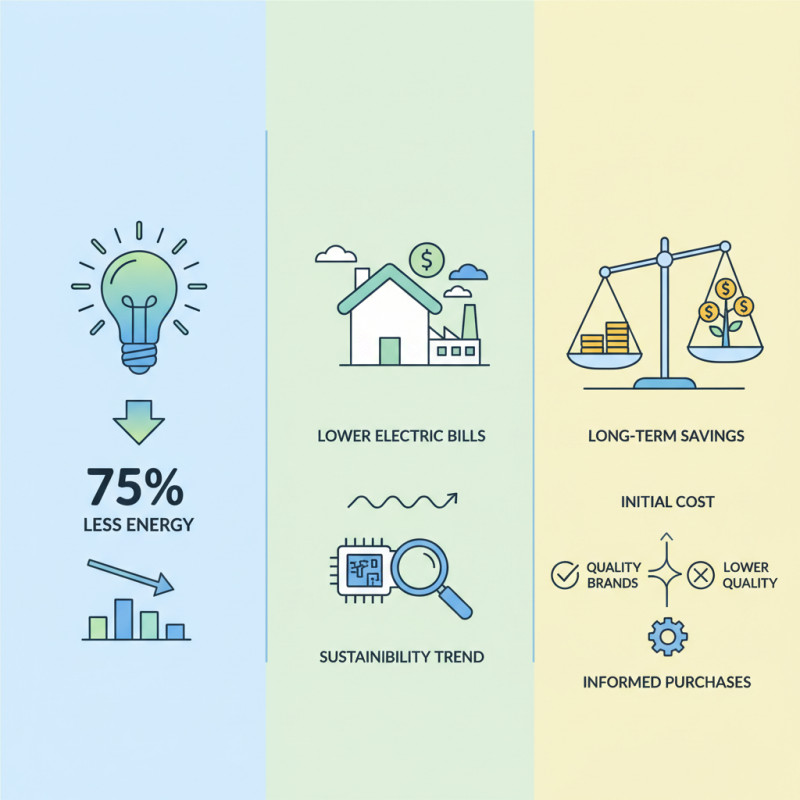
Energy efficiency is more than just a buzzword; it’s a vital concept that influences our purchasing decisions. It refers to the ability to use less energy to deliver the same service. When considering LED lights, understanding energy efficiency becomes crucial. These lights consume less power than traditional bulbs, but the actual efficiency can vary. Factors like wattage and lumens should be compared realistically.
Here are some tips to evaluate energy efficiency. Check the wattage of the bulbs. Lower watts do not always mean less brightness. Look for the lumens-per-watt ratio. A higher number indicates better efficiency. It's worth noting that not all LED lights are created equal. Some may offer less value for your money than others.
Additionally, analyze the lifespan of the bulbs. LED lights tend to last longer; however, different products may have varied lifespans. Reading customer reviews can provide insight into the actual performance over time. Always consider the total cost of ownership, not just the upfront price. Sometimes the initial savings can be deceiving.
LED technology revolutionizes lighting efficiency. It operates by passing electricity through a semiconductor. This process creates light without excessive heat waste. Unlike traditional bulbs, LEDs convert most energy into visible light. They maximize brightness while minimizing energy consumption.
The advantages of LED lights are clear. They last much longer than incandescent or fluorescent options. Some LEDs can shine for over 25,000 hours. This longevity means fewer replacements and lower costs over time. However, the initial purchase price can be higher. Some consumers hesitate because of upfront expenses. This reluctance is understandable, yet the long-term savings often outweigh initial costs.
Moreover, not all LEDs are created equal. Variations in quality can lead to inconsistent performance. Some products may not meet stated energy savings. Therefore, careful research is essential. Consumers should consider energy ratings and reviews before making a purchase. This diligence helps ensure that investments in LED lighting are worthwhile. It reflects an important step towards more sustainable living.
The cost analysis of LED lights versus traditional bulbs reveals significant savings over time. According to the U.S. Department of Energy, LED bulbs use up to 75% less energy than incandescent bulbs. This remarkable efficiency translates into lower utility bills. An LED bulb can last up to 25,000 hours, while an incandescent bulb averages only 1,000 hours. The longevity of LEDs means fewer replacements.
However, the initial cost of LED bulbs can be higher. They often range from $8 to $15, compared to $1 to $2 for incandescent bulbs. Many consumers hesitate to invest in LEDs due to this upfront expense. Over time, though, the energy savings and longevity create a beneficial cycle. A household could save about $200 on energy bills over the life of just one LED bulb. This estimate, from the ENERGY STAR program, demonstrates the financial advantages of switching.
Yet, some challenges remain. Not all LED bulbs are created equal. Variations in quality can lead to differences in performance and reliability. Consumers should research and compare options before buying. In the end, understanding the long-term cost benefits is crucial. Embracing energy-efficient lighting is not just about today’s costs; it’s an investment in future savings and sustainability.
LED lights have gained popularity for their potential environmental benefits. Numerous studies highlight their lower energy consumption compared to incandescent bulbs. According to the U.S. Department of Energy, LEDs use 75% less energy. This efficiency translates into reduced greenhouse gas emissions. Yet, some argue that we overlook the manufacturing process. Producing LEDs involves materials that can harm the environment.
The lifespan of LED lights adds another layer to this discussion. They can last up to 25,000 hours, significantly outpacing traditional bulbs. However, there are concerns about disposal. Improper disposal of LEDs could lead to toxic substances leaking into the soil. This highlights the importance of recycling and proper waste management. Despite their efficiency, each consumer must weigh these factors.
Moreover, the cost of producing LED lights is often higher than traditional options. While this cost is decreasing, the initial investment can still deter some individuals. It's not just about energy savings but understanding the entire lifecycle. Every choice in lighting impacts our planet, raising questions about the true sustainability of LEDs.
As illustrated in the chart, LEDs are significantly more energy-efficient compared to traditional incandescent bulbs and CFLs, consuming only 90 kWh per year versus 1000 kWh and 300 kWh respectively. This demonstrates the clear advantages of using LED lights for both energy savings and environmental sustainability.
When evaluating the long-term savings of LED lights, consider more than just the initial price. LED lights consume significantly less energy than traditional bulbs. For instance, using an LED bulb can reduce energy bills by up to 75%. This reduction in consumption translates to lower costs over time.
However, one must also consider the lifespan of LED bulbs. These lights often last 25,000 hours or more, compared to just 1,000 hours for incandescent bulbs. This means fewer replacements, which can also save money on labor if the bulbs are installed in hard-to-reach areas. Yet, the upfront cost can be daunting. A typical LED bulb may cost five to ten times more than its incandescent counterpart.
It's easy to overlook hidden costs associated with lighting in households or businesses. Poor lighting choices can lead to eye strain or reduced productivity in workspaces. Thus, the initial investment in quality LED fixtures might result in fewer health-related expenses in the long run. Ultimately, calculating the total cost of ownership for LED lights should include all these factors to reveal their true economic efficiency.
: Energy efficiency means using less energy to achieve the same results. It impacts our purchasing choices significantly.
Check the wattage and lumen-per-watt ratio. Higher lumen ratios indicate better efficiency.
No, quality varies among products. Some LEDs may not provide good value or energy savings.
Many LED bulbs last over 25,000 hours. This longevity reduces the need for frequent replacements.
Look at energy savings and lifespan. Upfront costs might be higher but lead to long-term savings.
Yes, bad lighting can cause eye strain. Quality lighting can reduce health costs in the future.
Higher upfront prices may discourage purchases. Performance can also vary, making research essential.
They provide insights into real-world performance. Reviews help inform better purchasing decisions.
Using less energy leads to lower energy bills and reduced environmental impact over time.
Evaluating total costs reveals potential long-term savings. The initial expense often pays off in the end.
In the discussion of whether "are LED lights energy efficient," it's essential to first understand the concept of energy efficiency itself. LEDs, or Light Emitting Diodes, operate on advanced technology that allows them to generate more light per watt compared to traditional incandescent or fluorescent bulbs. A comparative cost analysis reveals that while the initial purchase price of LED lights might be higher, their longer lifespan and reduced energy consumption lead to significant savings over time.
Furthermore, the environmental impact of using LED lights is noteworthy; they not only consume less energy but also contribute to lower carbon emissions, making them a more sustainable choice for lighting. When calculating the total cost of ownership, including longevity and reduced energy bills, it becomes clear that LEDs offer long-term financial benefits alongside their lower environmental footprint, reinforcing the conclusion that LEDs are indeed energy efficient for your purchases.

VELORIQ Lighting